Normal view
-
Cell
-
Simplifying protein engineering with deep learning
When it comes to deep learning for protein engineering, there is strength in simplicity. In this issue of Cell, with thoughtful deployment of existing fixed-backbone sequence design models, Caixia Gao and colleagues engineer diverse genome editing systems with improved functionality, enabling powerful capabilities in fine-grained and large-scale genome editing as demonstrated through strong experimental validation.
-
Cell
-
Interferons in health and disease
The cytokine messenger proteins known as interferons are central to protective immune responses against infections, but they are also involved in inflammatory and autoimmune diseases. This review maps out the balance of factors that governs the many roles of interferons in animal biology.
Interferons in health and disease
-
Cell
-
Human interpretable grammar encodes multicellular systems biology models to democratize virtual cell laboratories
We developed a plain text modeling language—a cell behavior hypothesis grammar—to easily build virtual cell models and connect them to data, helping scientists to unlock the hidden dynamics of tissues. We provide examples showing how to use them in virtual experiments exploring how cancer responds to the cells in its environment and how the brain forms layers in development.
Human interpretable grammar encodes multicellular systems biology models to democratize virtual cell laboratories
-
MRD
-
Circulating tumour cells & circulating tumour DNA in patients with resectable colorectal liver metastases (MIRACLE): a prospective, observational biomarker study
EClinicalMedicine. 2025 Aug 12;87:103406. doi: 10.1016/j.eclinm.2025.103406. eCollection 2025 Sep.ABSTRACTBACKGROUND: Recurrence risk after curative surgery for colorectal liver metastases (CRLM) remains high, underlining the need to identify prognostic markers enabling more individualised treatment approaches.METHODS: In the MIRACLE, a prospective, observational biomarker study, a total of 188 patients with isolated, resectable CRLM without (neo)adjuvant chemotherapy were included between Octob
Circulating tumour cells & circulating tumour DNA in patients with resectable colorectal liver metastases (MIRACLE): a prospective, observational biomarker study
EClinicalMedicine. 2025 Aug 12;87:103406. doi: 10.1016/j.eclinm.2025.103406. eCollection 2025 Sep.
ABSTRACT
BACKGROUND: Recurrence risk after curative surgery for colorectal liver metastases (CRLM) remains high, underlining the need to identify prognostic markers enabling more individualised treatment approaches.
METHODS: In the MIRACLE, a prospective, observational biomarker study, a total of 188 patients with isolated, resectable CRLM without (neo)adjuvant chemotherapy were included between October 2015 and December 2021. Blood samples were collected before surgery (baseline) and three weeks after surgery. The primary objective was to assess the potential association between postoperative circulating tumour DNA (ctDNA) detection and recurrence of disease for patients with resectable CRLM within one year after resection. The secondary objective was the association between recurrence of disease within one year and detection of circulating tumour cells (CTCs). Baseline ctDNA was measured by next generation sequencing using a targeted panel (Oncomine Colon cell-free DNA assay) and postoperatively by digital PCR on genetic variants found preoperatively with the Oncomine panel. CTCs were enumerated using the FDA-approved CellSearch system.
FINDINGS: ctDNA was detected in 117/187 patients (63%) at baseline, and 28/104 evaluable patients (27%) still had detectable ctDNA postoperatively. CTC enumeration resulted in positivity for 37/183 patients (20%) at baseline and 14/158 patients (9%) postoperatively. No association was found between 1-year recurrence-free survival (RFS) and the presence of CTCs or ctDNA at baseline. In contrast, patients with postoperative undetectable ctDNA had a significantly improved 1-year RFS compared to patients with postoperative ctDNA (54% [95% CI 44%-67%] vs. 25% [95% CI 13%-47%], log-rank p = 0.0011). Similarly, patients with postoperative detectable CTCs had a significantly shorter 1-year RFS compared to patients without postoperative CTCs (15% [95% CI 4%-55%] vs. 53% [95% CI 45%-62%], log-rank p 0.0004). Also in multivariable analysis, detectable ctDNA and CTCs after surgery remained independently associated with a shorter 1-year RFS (HR 2.35; 95% CI 1.34-4.11; p = 0.0028 and HR 2.98; 95% CI 1.56-5.71; p = 0.0010, respectively).
INTERPRETATION: This is the first study conducted in patients with resectable CRLM without (neo)adjuvant chemotherapy, which demonstrates the impact of postoperative detectable circulating tumour load on 1-year RFS. Postoperative ctDNA and CTC detection both represent strong, independent predictors for a shorter RFS after local treatment, as opposed to preoperative detection.
FUNDING: This work was supported by KWF Kankerbestrijding (Dutch Cancer Society, EMCR 2014-6340).
PMID:40838198 | PMC:PMC12361997 | DOI:10.1016/j.eclinm.2025.103406
-
(Multiomics OR Omics) AND (Lung OR gastric OR Hepatocellular)
-
Genetic and epigenetic dysregulation of CR1 is associated with catastrophic antiphospholipid syndrome
Ann Rheum Dis. 2025 Aug 20:S0003-4967(25)04249-9. doi: 10.1016/j.ard.2025.07.016. Online ahead of print.ABSTRACTOBJECTIVES: Catastrophic antiphospholipid syndrome (CAPS) is a complement-driven thrombotic disorder, characterised by widespread thrombosis and multiorgan failure. We identified rare germline variants including complement receptor 1 (CR1) in 50% of patients with CAPS. Here, we define CR1 dysregulation mechanisms (genetic/epigenetic) underlying complement-mediated thrombosis in CAPS an
Genetic and epigenetic dysregulation of CR1 is associated with catastrophic antiphospholipid syndrome
Ann Rheum Dis. 2025 Aug 20:S0003-4967(25)04249-9. doi: 10.1016/j.ard.2025.07.016. Online ahead of print.
ABSTRACT
OBJECTIVES: Catastrophic antiphospholipid syndrome (CAPS) is a complement-driven thrombotic disorder, characterised by widespread thrombosis and multiorgan failure. We identified rare germline variants including complement receptor 1 (CR1) in 50% of patients with CAPS. Here, we define CR1 dysregulation mechanisms (genetic/epigenetic) underlying complement-mediated thrombosis in CAPS and support C5 inhibition as a potential therapy.
METHODS: We quantified CR1 expression by flow cytometry across haematopoietic cell types. CRISPR/Cas9 genome editing of TF-1 (erythroleukaemia) cells was performed to generate CR1 'knock-out' and 'knock-in' lines with patient-specific CR1 variants. Multiomics analysis was performed to investigate the role of methylation in patients with reduced CR1 expression. Functional impact of low CR1 was assessed by complement-mediated cell killing using modified Ham assay, cell-bound complement degradation products through flow cytometry, and circulatory immune complexes in serum samples through ELISA.
RESULTS: CR1 expression in erythrocytes was markedly reduced on CAPS erythrocytes (n = 9, 21.80%) compared to healthy controls (HCs; n = 35, 84.04%), with promoter hypermethylation emerging as a plausible epigenetic mechanism for CR1 downregulation. Novel germline variant (CR1-V2125L; rs202148801) mitigated CR1 expression and increased complement-mediated cell death of knock-in cell lines. Erythrocytes from the patient with the CR1-V2125L variant had low CR1 expression. Levels of circulating immune complexes, which are bound and cleared by CR1 on erythrocytes, were higher in acute CAPS (n = 3, 25.55 µg Eq/mL) than HCs (n = 3, 7.445 µg Eq/mL). Five patients were treated with C5 inhibition which mitigated thrombosis.
CONCLUSIONS: Genetic or epigenetic-mediated CR1 deficiency is a potential hallmark of CAPS and predicts response to C5 inhibition.
PMID:40841298 | DOI:10.1016/j.ard.2025.07.016
-
(Multiomics OR Omics) AND (Lung OR gastric OR Hepatocellular)
-
Liquid biopsy in lung cancer
Breathe (Sheff). 2025 Aug 19;21(3):250051. doi: 10.1183/20734735.0051-2025. eCollection 2025 Jul.ABSTRACTLung cancer is the leading cause of cancer-related mortality worldwide, with nonsmall cell lung cancer (NSCLC) accounting for the majority of cases. Despite advancements in therapeutics, outcomes remain poor due to late-stage diagnoses and the molecular complexity of the disease. Liquid biopsy, a minimally invasive diagnostic approach, has emerged as a potentially transformative tool in lung
Liquid biopsy in lung cancer
Breathe (Sheff). 2025 Aug 19;21(3):250051. doi: 10.1183/20734735.0051-2025. eCollection 2025 Jul.
ABSTRACT
Lung cancer is the leading cause of cancer-related mortality worldwide, with nonsmall cell lung cancer (NSCLC) accounting for the majority of cases. Despite advancements in therapeutics, outcomes remain poor due to late-stage diagnoses and the molecular complexity of the disease. Liquid biopsy, a minimally invasive diagnostic approach, has emerged as a potentially transformative tool in lung cancer. The detection of tumour-derived biomarkers, such as circulating-tumour DNA, circulating tumour cells and exosomes, can be analysed for molecular profiling, early detection and monitoring of disease progression. There have been significant advancements of liquid biopsy technologies, such as next-generation sequencing and droplet digital PCR, that identify actionable mutations, detect resistance mechanisms and improve therapeutic outcomes. While there are still challenges like detecting early-stage disease and the risk of false positives, the combination of multi-omics data and artificial intelligence has the potential for more personalised and precise cancer treatments. Liquid biopsy represents a paradigm shift in the early detection and personalised treatment of lung cancer, offering significant potential to improve patient outcomes.
PMID:40837417 | PMC:PMC12362143 | DOI:10.1183/20734735.0051-2025
-
MIT Technology Review
-
In a first, Google has released data on how much energy an AI prompt uses
Google has just released a technical report detailing how much energy its Gemini apps use for each query. In total, the median prompt—one that falls in the middle of the range of energy demand—consumes 0.24 watt-hours of electricity, the equivalent of running a standard microwave for about one second. The company also provided average estimates for the water consumption and carbon emissions associated with a text prompt to Gemini. It’s the most transparent estimate yet from a Big Tech company
In a first, Google has released data on how much energy an AI prompt uses
Google has just released a technical report detailing how much energy its Gemini apps use for each query. In total, the median prompt—one that falls in the middle of the range of energy demand—consumes 0.24 watt-hours of electricity, the equivalent of running a standard microwave for about one second. The company also provided average estimates for the water consumption and carbon emissions associated with a text prompt to Gemini.
It’s the most transparent estimate yet from a Big Tech company with a popular AI product, and the report includes detailed information about how the company calculated its final estimate. As AI has become more widely adopted, there’s been a growing effort to understand its energy use. But public efforts to directly measure the energy used by AI have been hampered by a lack of full access to the operations of a major tech company.
Earlier this year, MIT Technology Review published a comprehensive series on AI and energy, at which time none of the major AI companies would reveal their per-prompt energy usage. Google’s new publication, at last, allows for a peek behind the curtain that researchers and analysts have long hoped for.
The study focuses on a broad look at energy demand, including the power used not only by the AI chips that run models but also by all the other infrastructure needed to support that hardware.
“We wanted to be quite comprehensive in all the things we included,” said Jeff Dean, Google’s chief scientist, in an exclusive interview with MIT Technology Review about the new report.
That’s significant, because in this measurement, the AI chips—in this case, Google’s custom TPUs, the company’s proprietary equivalent of GPUs—account for just 58% of the total electricity demand of 0.24 watt-hours.
Another large portion of the energy is used by equipment needed to support AI-specific hardware: The host machine’s CPU and memory account for another 25% of the total energy used. There’s also backup equipment needed in case something fails—these idle machines account for 10% of the total. The final 8% is from overhead associated with running a data center, including cooling and power conversion.
This sort of report shows the value of industry input to energy and AI research, says Mosharaf Chowdhury, a professor at the University of Michigan and one of the heads of the ML.Energy leaderboard, which tracks energy consumption of AI models.
Estimates like Google’s are generally something that only companies can produce, because they run at a larger scale than researchers are able to and have access to behind-the-scenes information. “I think this will be a keystone piece in the AI energy field,” says Jae-Won Chung, a PhD candidate at the University of Michigan and another leader of the ML.Energy effort. “It’s the most comprehensive analysis so far.”
Google’s figure, however, is not representative of all queries submitted to Gemini: The company handles a huge variety of requests, and this estimate is calculated from a median energy demand, one that falls in the middle of the range of possible queries.
So some Gemini prompts use much more energy than this: Dean gives the example of feeding dozens of books into Gemini and asking it to produce a detailed synopsis of their content. “That’s the kind of thing that will probably take more energy than the median prompt,” he says. Using a reasoning model could also have a higher associated energy demand because these models take more steps before producing an answer.
This report was also strictly limited to text prompts, so it doesn’t represent what’s needed to generate an image or a video. (Other analyses, including one in MIT Technology Review’s Power Hungry series earlier this year, show that these tasks can require much more energy.)
The report also finds that the total energy used to field a Gemini query has fallen dramatically over time. The median Gemini prompt used 33 times more energy in May 2024 than it did in May 2025, according to Google. The company points to advancements in its models and other software optimizations for the improvements.
Google also estimates the greenhouse-gas emissions associated with the median prompt, which they put at 0.03 grams of carbon dioxide. To get to this number, the company multiplied the total energy used to respond to a prompt by the average emissions per unit of electricity.
Rather than using an emissions estimate based on the US grid average, or the average of the grids where Google operates, the company instead uses a market-based estimate, which takes into account electricity purchases that the company makes from clean energy projects. The company has signed agreements to buy over 22 gigawatts of power from sources including solar, wind, geothermal, and advanced nuclear projects since 2010. Because of those purchases, Google’s emissions per unit of electricity on paper are roughly one-third of those on the average grid where it operates.
AI data centers also consume water for cooling, and Google estimates that each prompt consumes 0.26 milliliters of water, or about five drops.
The goal of this work was to provide users a window into the energy use of their interactions with AI, Dean says.
“People are using [AI tools] for all kinds of things, and they shouldn’t have major concerns about the energy usage or the water usage of Gemini models, because in our actual measurements, what we were able to show was that it’s actually equivalent to things you do without even thinking about it on a daily basis,” he says, “like watching a few seconds of TV or consuming five drops of water.”
The publication greatly expands what’s known about AI’s resource usage. It follows recent increasing pressure on companies to release more information about the energy toll of the technology. “I’m really happy that they put this out,” says Sasha Luccioni, an AI and climate researcher at Hugging Face. “People want to know what the cost is.”
This estimate and the supporting report contain more public information than has been available before, and it’s helpful to get more information about AI use in real life, at scale, by a major company, Luccioni adds. However, there are still details that the company isn’t sharing in this report. One major question mark is the total number of queries that Gemini gets each day, which would allow estimates of the AI tool’s total energy demand.
And ultimately, it’s still the company deciding what details to share, and when and how. “We’ve been trying to push for a standardized AI energy score,” Luccioni says, a standard for AI similar to the Energy Star rating for appliances. “This is not a replacement or proxy for standardized comparisons.”

-
TechCrunch
-
Google’s AI Mode expands globally, adds new agentic features
As part of the expansion, Google is bringing AI Mode to 180 new countries in English.
Google’s AI Mode expands globally, adds new agentic features
-
Cell Death Discovery nature.com science feeds
-
Discovery of a novel potent tubulin inhibitor through virtual screening and target validation for cancer chemotherapy
Cell Death Discovery, Published online: 19 August 2025; doi:10.1038/s41420-025-02679-3Discovery of a novel potent tubulin inhibitor through virtual screening and target validation for cancer chemotherapy
Discovery of a novel potent tubulin inhibitor through virtual screening and target validation for cancer chemotherapy
Cell Death Discovery, Published online: 19 August 2025; doi:10.1038/s41420-025-02679-3
Discovery of a novel potent tubulin inhibitor through virtual screening and target validation for cancer chemotherapy-
(Multiomics OR Omics) AND (Lung OR gastric OR Hepatocellular)
-
Mast Cells Drive Ferroptosis in Gastric Tumors as Key Players in the Tumor Immune Microenvironment
OMICS. 2025 Aug 19. doi: 10.1177/15578100251366980. Online ahead of print.ABSTRACTFerroptosis, an iron-dependent form of oxidative cell death, plays a critical role in cancer progression and immune regulation. However, the functional connections of ferroptosis with specific immune cell types remain poorly defined, limiting the future possibilities to harness ferroptosis for cancer biology, diagnosis, and treatment. To address this knowledge gap, we conducted an integrated transcriptomic analysis
Mast Cells Drive Ferroptosis in Gastric Tumors as Key Players in the Tumor Immune Microenvironment
OMICS. 2025 Aug 19. doi: 10.1177/15578100251366980. Online ahead of print.
ABSTRACT
Ferroptosis, an iron-dependent form of oxidative cell death, plays a critical role in cancer progression and immune regulation. However, the functional connections of ferroptosis with specific immune cell types remain poorly defined, limiting the future possibilities to harness ferroptosis for cancer biology, diagnosis, and treatment. To address this knowledge gap, we conducted an integrated transcriptomic analysis to investigate ferroptosis-related immune dynamics in gastric cancer (GC). We utilized GC datasets from The Cancer Genome Atlas-stomach adenocarcinoma (n = 412) and the GSE66229 (n = 300) that were clustered into three GC immune subtypes based on single-sample Gene Set Enrichment Analysis scores of 29 immune gene sets. Bulk RNA-seq analysis revealed that the immune-inflamed subtype (HIS) of tumor samples in both GC datasets exhibited the highest ferroptosis enrichment and showed a positive correlation with activated mast cells and neutrophils. Given the regulatory role of mast cells in the tumor microenvironment (TME), particularly in recruiting neutrophils, we further examined their link to ferroptosis. In a fibroblast-mast cell coculture RNA-seq data (GSE223179), fibroblasts exhibited increased ferroptosis enrichment, supporting a mast cell-mediated influence. Single-cell RNA-seq data confirmed stronger interactions between mast cells and fibroblasts in GC compared to normal tissues. Specifically, they revealed a positive correlation between mast cell activity and ferroptosis enrichment in tumor-associated fibroblasts. In conclusion, these findings suggest that mast cells may promote ferroptosis in the TME through paracrine signaling, possibly via annexin and cyclophilin A. By uncovering this novel pathophysiological axis, our study reveals a previously unrecognized role of mast cells in regulating ferroptosis within the TME. The findings call for translational and experimental medical research and have potential implications for innovation toward GC diagnostics and therapeutics.
PMID:40831393 | DOI:10.1177/15578100251366980
-
MRD
-
Advancements in non-invasive biomarkers for detection and monitoring of breast cancer recurrence
Sci Prog. 2025 Jul-Sep;108(3):368504251362350. doi: 10.1177/00368504251362350. Epub 2025 Aug 19.ABSTRACTBreast cancer recurrence remains a major cause of mortality, with up to 30% of early-stage patients relapsing as incurable metastatic disease. Conventional surveillance with imaging and serum markers (CA15-3, CEA) lacks the sensitivity and specificity to detect minimal residual disease. This narrative review examines non-invasive biomarkers such as circulating tumor DNA (ctDNA), circulating tu
Advancements in non-invasive biomarkers for detection and monitoring of breast cancer recurrence
Sci Prog. 2025 Jul-Sep;108(3):368504251362350. doi: 10.1177/00368504251362350. Epub 2025 Aug 19.
ABSTRACT
Breast cancer recurrence remains a major cause of mortality, with up to 30% of early-stage patients relapsing as incurable metastatic disease. Conventional surveillance with imaging and serum markers (CA15-3, CEA) lacks the sensitivity and specificity to detect minimal residual disease. This narrative review examines non-invasive biomarkers such as circulating tumor DNA (ctDNA), circulating tumor cells (CTCs) and exosomes and the technologies enhancing their performance. Droplet digital PCR and next-generation sequencing detect ctDNA at allele frequencies below 0.1%, identifying molecular relapse a median of 10-12 months before radiologic progression. Microfluidic and affinity-based platforms isolate CTCs with over 75% sensitivity in metastatic settings. Nanoengineered sensors and standardized workflows improve exosome isolation, revealing miRNA and protein signatures predictive of recurrence. Proteomic and metabolomic profiling identify dysregulated metabolic pathways and protein networks, offering functional insights that complement molecular assays. Integrative multi-omics approaches merge genomic, transcriptomic, proteomic and metabolomic data; machine-learning frameworks detect subtle patterns and correlations, enabling dynamic, personalized surveillance. By detecting molecular and functional biomarkers early, clinicians can tailor therapy, monitor treatment response and intervene promptly. Challenges include low analyte abundance, assay variability, high costs and lack of standardized protocols, limiting clinical adoption. Prospective validation in large cohorts is critical. We highlight ongoing clinical trials such as ctDNA-guided adjuvant therapy and CTC-driven stratification studies that aim to establish clinical utility. Non-invasive biomarker platforms could shift breast cancer follow-up from reactive detection to proactive intervention, ultimately improving survival and quality of life through personalized, real-time monitoring.
PMID:40831186 | PMC:PMC12368403 | DOI:10.1177/00368504251362350
-
Nature - Issue - nature.com science feeds
-
A baby benefits from personalized gene editing in the clinic
Nature, Published online: 19 August 2025; doi:10.1038/d41586-025-02590-yAn infant with an inherited life-threatening metabolic condition has responded to a tailored therapy that uses the gene-editing tool CRISPR to correct a specific mutation.
A baby benefits from personalized gene editing in the clinic
Nature, Published online: 19 August 2025; doi:10.1038/d41586-025-02590-y
An infant with an inherited life-threatening metabolic condition has responded to a tailored therapy that uses the gene-editing tool CRISPR to correct a specific mutation.-
Nature - Issue - nature.com science feeds
-
Small, affordable undergraduate research programmes changed my career and strengthen US science. Why cut them?
Nature, Published online: 19 August 2025; doi:10.1038/d41586-025-02242-1Like so much else, this small scientific programme is on the Trump administration’s hit list. This will hurt the United States, says Dan Seaton.
Small, affordable undergraduate research programmes changed my career and strengthen US science. Why cut them?
Nature, Published online: 19 August 2025; doi:10.1038/d41586-025-02242-1
Like so much else, this small scientific programme is on the Trump administration’s hit list. This will hurt the United States, says Dan Seaton.-
Nature Biotechnology - Issue - nature.com science feeds
-
Redefining druggable targets with artificial intelligence
Nature Biotechnology, Published online: 19 August 2025; doi:10.1038/s41587-025-02770-1A vast landscape of ‘undruggable’ cancer targets remains beyond the reach of conventional therapeutic agents. Recent advances in artificial intelligence (AI), however, are challenging this paradigm. Synthesizing insights from a Cancer Moonshot workshop, we argue that systemically addressing the undruggable target space with AI requires a new conceptual framework. We highlight the failure of current target taxon
Redefining druggable targets with artificial intelligence
Nature Biotechnology, Published online: 19 August 2025; doi:10.1038/s41587-025-02770-1
A vast landscape of ‘undruggable’ cancer targets remains beyond the reach of conventional therapeutic agents. Recent advances in artificial intelligence (AI), however, are challenging this paradigm. Synthesizing insights from a Cancer Moonshot workshop, we argue that systemically addressing the undruggable target space with AI requires a new conceptual framework. We highlight the failure of current target taxonomies and the need for benchmarking datasets, and re-evaluate clinical validation for novel AI-driven modalities.-
MRD
-
Detection, quantitation, and genotyping of human papillomavirus circulating tumor DNA by droplet digital PCR
J Clin Microbiol. 2025 Aug 19:e0058525. doi: 10.1128/jcm.00585-25. Online ahead of print.ABSTRACTHuman papillomavirus (HPV) is comprised of >200 genotypes and has an ~8 kb, circular, double-stranded DNA genome. Transmission of HPV occurs through skin-to-skin contact and infection of squamous epithelial cells of cutaneous and mucosal surfaces. HPV genotypes are categorized as low- or high-risk (hrHPV) based on oncogenic potential. There are approximately 14 types of hrHPV that can cause severa
Detection, quantitation, and genotyping of human papillomavirus circulating tumor DNA by droplet digital PCR
J Clin Microbiol. 2025 Aug 19:e0058525. doi: 10.1128/jcm.00585-25. Online ahead of print.
ABSTRACT
Human papillomavirus (HPV) is comprised of >200 genotypes and has an ~8 kb, circular, double-stranded DNA genome. Transmission of HPV occurs through skin-to-skin contact and infection of squamous epithelial cells of cutaneous and mucosal surfaces. HPV genotypes are categorized as low- or high-risk (hrHPV) based on oncogenic potential. There are approximately 14 types of hrHPV that can cause several types of cancer, including HPV-associated oropharyngeal squamous cell carcinoma (HPV(+)OPSCC). Detection of HPV(+)OPSCC is traditionally accomplished using p16 immunohistochemistry (IHC) and HPV-specific testing, either DNA or RNA in situ hybridization (ISH) staining or DNA-based PCR of suspected tumor biopsy tissue. More recently, platelet-poor plasma (PPP) samples from patients with HPV(+)OPSCC have proven useful for detection and quantitation of fragments of HPV circulating tumor DNA (ctDNA). ctDNA has been shown to be useful in determining treatment response and monitoring for disease recurrence. In this study, a novel droplet digital PCR assay (ddPCR) was developed and validated for the detection and quantitation of ctDNA from 5 hrHPV genotypes in PPP. Analytical sensitivity ranged from 7.71 to 19.45 fragments of HPV ctDNA per milliliter of PPP across five hrHPV genotypes. In patients with confirmed primary or recurrent HPV(+)OPSCC or HPV(-)OPSCC, testing of corresponding PPP samples (n = 32) by ddPCR demonstrated 90.63% (29/32) overall agreement with p16/HPV-ISH biopsy results. Compared with reference ddPCR assays performed at outside laboratories, our ddPCR assay yielded 90% (9/10) overall agreement. This assay may provide clinicians with a tool for monitoring HPV ctDNA prior to, during, and after treatment of an HPV-associated cancer.
IMPORTANCE: At least 14 genotypes of human papillomavirus (HPV) have been identified to have high oncogenic potential. While molecular diagnostic testing for HPV is widely available for liquid cytologic cervical samples, testing is limited for other sample types, including liquid biopsy samples, such as platelet-poor plasma (PPP). With the rising incidence of HPV-associated oropharyngeal squamous cell carcinoma (HPV(+)OPSCC), laboratory testing is an essential part of patient diagnosis, management, and surveillance. Here, we summarize the development and analytical performance validation of a multiplexed, droplet digital PCR (ddPCR) assay for the detection and quantitation of HPV circulating tumor DNA (ctDNA) in PPP. This assay may provide clinicians with a tool to address minimal residual disease for patients with an HPV-associated cancer.
PMID:40827899 | DOI:10.1128/jcm.00585-25
-
(Multiomics OR Omics) AND (Lung OR gastric OR Hepatocellular)
-
Innovation in next-generation sequencing in non-Small cell lung cancer diagnostics
Expert Rev Anticancer Ther. 2025 Aug 18. doi: 10.1080/14737140.2025.2549538. Online ahead of print.ABSTRACTINTRODUCTION: In the era of precision medicine, molecular biomarker testing is increasingly becoming standard of care for Non-Small Cell Lung Cancer (NSCLC) patients. Tissue and liquid biopsy-based Next-Generation Sequencing (NGS) is now highly recommended.AREAS COVERED: Different NGS platforms emerged as a cost-effective strategy to perform a massive and parallel sequencing performing high
Innovation in next-generation sequencing in non-Small cell lung cancer diagnostics
Expert Rev Anticancer Ther. 2025 Aug 18. doi: 10.1080/14737140.2025.2549538. Online ahead of print.
ABSTRACT
INTRODUCTION: In the era of precision medicine, molecular biomarker testing is increasingly becoming standard of care for Non-Small Cell Lung Cancer (NSCLC) patients. Tissue and liquid biopsy-based Next-Generation Sequencing (NGS) is now highly recommended.
AREAS COVERED: Different NGS platforms emerged as a cost-effective strategy to perform a massive and parallel sequencing performing higher technical sensitivity than old generation technologies in detecting low abundant alterations in challenging diagnostic samples. NGS systems can detect single nucleotide variants (SNV), small insertions and deletions (indels), copy number alterations (CNAs) and structural variants (SVs) or gene fusions across selected druggable genes optimizing clinical administration of NSCLC patients. The diagnostic implementation of the most adequate NGS panel depending on several factors that could impact on the clinical utility of testing assay.
EXPERT OPINION: Promising advanced technologies are emerging as potentially integrative tools in personalized medicine. In this context, multi-omic evaluation including genomic, transcriptomic, fragmentomic and epigenomic signatures are under investigation to significantly modify clinical algorithm of NSCLC patients. On this basis, sequencing strategies may play a pivotal role in the implementation of a new predictive model for cancer diagnosis and prognosis.
PMID:40823981 | DOI:10.1080/14737140.2025.2549538
-
(Multiomics OR Omics) AND (Lung OR gastric OR Hepatocellular)
-
CRISPR-Edited Cell Lines: A New Era in Functional Oncology Research
Curr Pharm Des. 2025 Aug 13. doi: 10.2174/0113816128413220250728182852. Online ahead of print.ABSTRACTThe use of CRISPR-Cas9 to engineer cancer cell lines has made it possible to precisely examine how cancer cells react to different drugs and therapies. Some of the key improvements are in the use of Mediator Complex Subunit 12 (MED12)-knockout cells to study cell resistance to BRAF inhibitors, CRISPR models of Epithelial-Mesenchymal Transition for breast cancer, and pharmacogenomic analysis in v
CRISPR-Edited Cell Lines: A New Era in Functional Oncology Research
Curr Pharm Des. 2025 Aug 13. doi: 10.2174/0113816128413220250728182852. Online ahead of print.
ABSTRACT
The use of CRISPR-Cas9 to engineer cancer cell lines has made it possible to precisely examine how cancer cells react to different drugs and therapies. Some of the key improvements are in the use of Mediator Complex Subunit 12 (MED12)-knockout cells to study cell resistance to BRAF inhibitors, CRISPR models of Epithelial-Mesenchymal Transition for breast cancer, and pharmacogenomic analysis in various cancer cell lines. CRISPR is used in immunotherapy to help Chimeric Antigen Receptor T (CAR-T) cells function better by disrupting the immune checkpoints like Programmed Cell Death Protein 1 (PD-1) and Cytotoxic T-lymphocyte- associated protein 4 (CTLA-4) and to adapt T cells to react with various antigens. As a result of these innovations, it is now possible to track how cancers like non-small cell lung cancer (NSCLC) and ovarian cancer evolve, change their epigenetic features, and find strategies to reverse their resistance. Moving forward, mixing AI analytics, single-cell multi-omics, patient-derived organoids, and CRISPR mechanisms will help improve precision oncology and speed up effective treatment planning.
PMID:40814875 | DOI:10.2174/0113816128413220250728182852
-
InfoQ

-
Presentation: 10 Reasons Your Multi-Agent Workflows Fail and What You Can Do About It
Victor Dibia shares insights into multi-agent systems. He explains their definition, demonstrates implementation using the AutoGen framework, and identifies 10 common reasons these systems fail in production. He provides guidance on when a multi-agent approach is appropriate, emphasizing evaluation-driven design and tool-focused implementations. By Victor Dibia
Presentation: 10 Reasons Your Multi-Agent Workflows Fail and What You Can Do About It
Victor Dibia shares insights into multi-agent systems. He explains their definition, demonstrates implementation using the AutoGen framework, and identifies 10 common reasons these systems fail in production. He provides guidance on when a multi-agent approach is appropriate, emphasizing evaluation-driven design and tool-focused implementations.
By Victor Dibia-
InfoQ

-
LangChain Launches Open SWE, an Open-Source Asynchronous Coding Agent
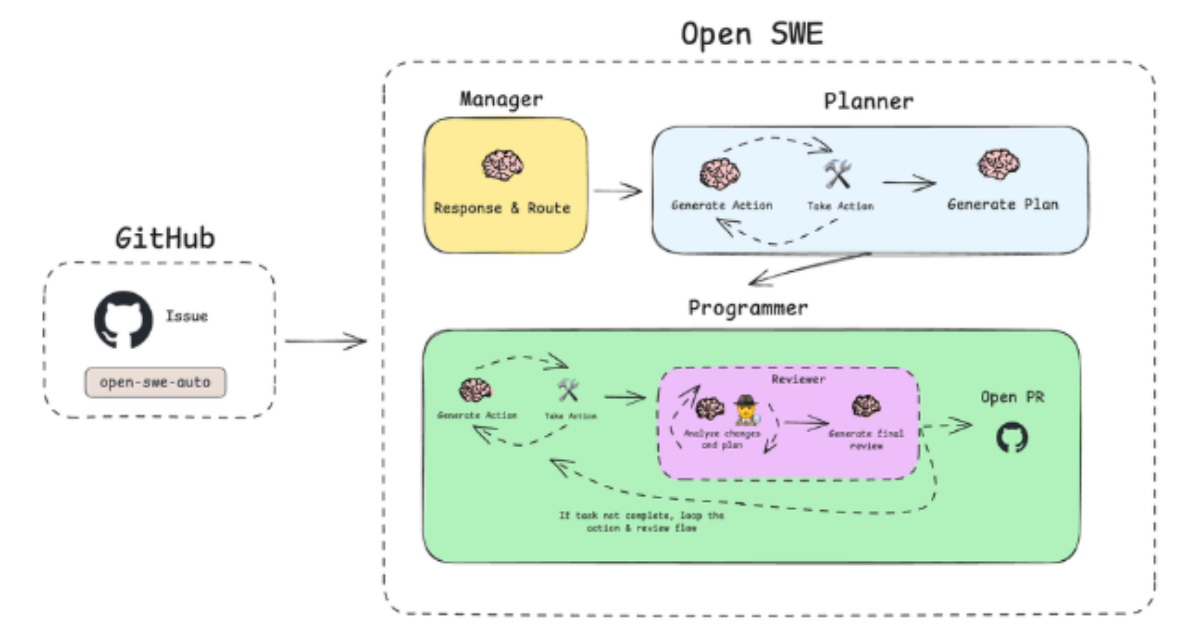
LangChain has released Open SWE, a fully open-source, asynchronous coding agent designed to operate in the cloud and handle complex software development tasks. The company says Open SWE represents a shift away from real-time “copilot” assistants toward more autonomous, long-running agents that integrate directly with a developer’s existing workflows. By Robert Krzaczyński
LangChain Launches Open SWE, an Open-Source Asynchronous Coding Agent
LangChain has released Open SWE, a fully open-source, asynchronous coding agent designed to operate in the cloud and handle complex software development tasks. The company says Open SWE represents a shift away from real-time “copilot” assistants toward more autonomous, long-running agents that integrate directly with a developer’s existing workflows.
By Robert Krzaczyński-
Nature - Issue - nature.com science feeds
-
Clone copy number diversity is linked to survival in lung cancer
Nature, Published online: 13 August 2025; doi:10.1038/s41586-025-09398-wA study presents ALPACA, a computational method for inferring clone- and allele-specific copy numbers of individual clones from multi-sample bulk DNA-sequencing data, and demonstrates its use to study metastasis trajectories.
Clone copy number diversity is linked to survival in lung cancer
Nature, Published online: 13 August 2025; doi:10.1038/s41586-025-09398-w
A study presents ALPACA, a computational method for inferring clone- and allele-specific copy numbers of individual clones from multi-sample bulk DNA-sequencing data, and demonstrates its use to study metastasis trajectories.