
❌

Normal view

Immunotherapy for virus-related hepatocellular carcinoma: recent progress and future directions

Ann Med. 2026 Dec;58(1):2607229. doi: 10.1080/07853890.2025.2607229. Epub 2025 Dec 26.

ABSTRACT

BACKGROUND: Hepatocellular carcinoma (HCC) is a leading cause of cancer-related mortality worldwide, with hepatitis B virus (HBV) and hepatitis C virus (HCV) infections remaining the predominant etiological factors. Chronic viral infection not only drives carcinogenesis but also reshapes the hepatic immune microenvironment, profoundly influencing the efficacy and safety of immunotherapy.

RECENT ADVANCES: Immune checkpoint inhibitors (ICIs) have revolutionized systemic therapy for advanced HCC, with agents targeting PD-1/PD-L1 demonstrating clinical benefit. Combination strategies - such as ICIs with anti-angiogenic therapies, multikinase inhibitors, or locoregional treatments - have shown synergistic efficacy and are now standard of care in certain settings. For virus-related HCC, antiviral therapy improves immune responsiveness and reduces risks such as HBV reactivation, underscoring the need for integrated management.

FUTURE PERSPECTIVES: Emerging therapeutic approaches include next-generation immune checkpoints (e.g. TIM-3, LAG-3, TIGIT), bispecific antibodies, cellular therapies (CAR-T, TCR-T, TILs), and tumor vaccines targeting viral or tumor-associated antigens. Advances in biomarker discovery, including circulating tumor DNA, immune signatures, and microbiome modulation, are expected to guide personalized treatment. Integration of multi-omics and clinical data will further refine patient selection and optimize treatment sequencing.

CONCLUSION: Immunotherapy offers new hope for patients with virus-related HCC, but challenges remain in response heterogeneity, resistance, and toxicity. Individualized strategies that combine immunotherapy with effective antiviral management and biomarker-|guided patient selection are essential. Continued translational and clinical research into virus-immune-tumor interactions will enable safer, more effective, and more durable treatment outcomes, ultimately transforming HCC into a more manageable disease.

PMID:41454610 | PMC:PMC12777805 | DOI:10.1080/07853890.2025.2607229
An integrated bioinformatics and multi-omics investigation of the sirtuin family to identify their prognostic importance in human cancers

Tumour Biol. 2025 Jan-Dec;47:14230380251410470. doi: 10.1177/14230380251410470. Epub 2025 Dec 24.

ABSTRACT

BackgroundIn recent years, the significance of sirtuins in cancer biology has become increasingly evident, but their molecular mechanisms and prognostic impacts remain elusive.ObjectiveThe present study aimed to investigate the differential expression of the sirtuin gene family across cancers and to evaluate their prognostic value.MethodsWe used various bioinformatics databases and methodologies, including Oncomine, GEPIA, OncoDB, cBioPortal, R2 Kaplan-Meier Scanner, STRING, etc., to determine the expression pattern of the sirtuin family genes, along with their mutations and prognostic values in human cancers.ResultsIn the current study, SIRT1, SIRT2, SIRT4, and SIRT5 were downregulated in lymphoma, whereas SIRT6 and SIRT7 were overexpressed. In breast cancer, SIRT3, SIRT5, and SIRT7 were overexpressed, and in terms of kidney cancer, higher expression of SIRT2, SIRT3, and SIRT5 was observed. In contrast, for leukemia, bladder, and brain cancers, most sirtuin family members showed reduced expression. We found that most mutations occurred in uterine cancer, chRCC (chromophobe renal cell carcinoma), DLBCL (diffuse large B-cell lymphoma), melanoma, pRCC (papillary renal cell carcinoma), and esophageal cancer. Moreover, we identified the relevant functional proteins through protein-protein interaction analysis to evaluate copy number alterations (CNAs) in sirtuins. The most frequent alterations were amplifications and deep deletions. Survival analysis demonstrated that SIRT1 and SIRT2 overexpression correlated with improved overall survival in low-grade glioma but predicted poorer outcomes in ovarian cancer. Downregulation of SIRT1, SIRT3, and SIRT5 was associated with better prognosis in DLBCL, while SIRT3 and SIRT4 upregulation predicted favorable survival in testicular germ cell tumors. SIRT6 overexpression was linked to favorable prognosis in esophageal carcinoma and sarcoma, while unfavorable outcomes were observed in hepatocellular carcinoma and cholangiocarcinoma. SIRT7 upregulation was significantly associated with reduced survival in esophageal, liver, and uterine cancers, but surprisingly correlated with improved outcomes in urothelial carcinoma and cervical squamous cell carcinoma.ConclusionsTogether, this multi-omics analysis reveals the correlation and prognostic values of sirtuins across multiple types of human cancers and suggests that sirtuins may serve as promising biomarkers for different cancers.

PMID:41439701 | DOI:10.1177/14230380251410470

Developing and Evaluating Guidelines to Prevent Overdependence on Digital Therapeutics in Children and Adolescents: Randomized Controlled Trial

Background: Digital therapeutics (DTx) for children and adolescents with mental health problems have been developed in the health care industry. Despite reports of side effects from DTx for children and adolescents, there have been no guidelines to address the prevention of DTx overdependence among young users. Objective: This study aimed to identify the requirements for guidelines to prevent DTx overdependence in children and adolescents and to develop and evaluate these guidelines. Methods: We conducted 2 phases. This study first involved a phase I survey to develop guidelines, including assessments of smartphone usage and mental health conditions. The second phase evaluated the guidelines’ effectiveness, reliability, necessity, and satisfaction using a visual analog scale through a randomized controlled trial. Participants—45 children and adolescents aged 9-16 years and 42 caregivers—were randomly assigned to the experimental and control groups. Results: Phase I revealed that blocking mobile applications and notifications (mean 8.5, SD 1.8) and parental monitoring (mean 8.5, SD 2.1) were effective preventive features. Caregivers, children, and adolescents expressed concerns about the side effects and overdependence of DTx and decreased effects due to nonindividualized guidelines in subjective responses to the phase I survey. Based on these insights, personalized guidelines for phase II were developed, in which overall mean visual analog scale scores for guideline evaluation were higher in the experimental group, except for necessity among caregivers (mean 8.5, SD 1.3 versus mean 8.7, SD 1.2). Conclusions: Both caregivers and children and adolescents demonstrated the need for guidelines to prevent overdependence on DTx distinct from smartphone usage. Tailored guidelines may be acceptable for use in real-world therapeutic protocols. Guidelines to prevent overdependence on DTx in children and adolescents and to achieve a balance between their benefits and risks need to be established. Trial Registration: Clinical Research Information Service (CRiS) of the Republic of Korea KCT0008893; https://cris.nih.go.kr/cris/search/detailSearch.do?seq=25609

Evaluating Peer Online Forums to Support Health: Ethical and Practical Challenges

Many people use peer online forums to seek support for health-related problems. More research is needed to understand the impacts of forum use, and how these are generated. However, there are significant ethical and practical challenges with the methods available to do the required research. We examine the key challenges associated with conducting each of the most commonly used online data collection methods: surveys, interviews, forum post analysis; and triangulation of these methods. Based on our learning from the Improving Peer Online Forums (iPOF) study, an inter-disciplinary realist informed mixed methods evaluation of peer online forums, we outline strategies that can be used to address key issues pertaining to assessing important outcomes, facilitating participation, validating participants (users who consent to take part in one or more parts of the study), protecting anonymity, gaining consent, managing risk, multi-stakeholder engagement, and triangulation. We share this learning to support researchers, reviewers, and ethics committees faced with deciding how best to address these challenges. We highlight the need for ongoing open, transparent discussion to ensure the research field keeps pace with evolving technology design and societal attitudes to online data use.

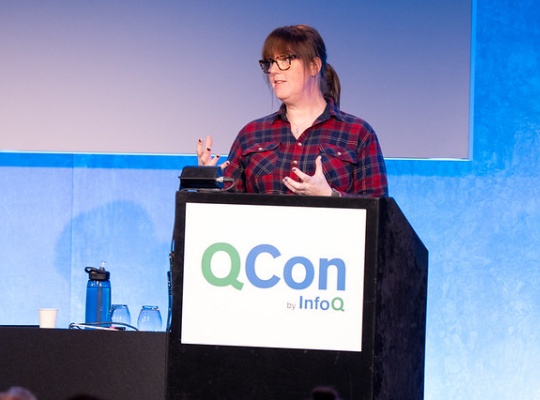
Presentation: Changing Power Dynamics: What Senior Engineers Can Learn From Junior Engineers

26 December 2025 at 23:00

Beth Anderson discusses the "power distance index" and its critical role in communication. Using the Korean Air Flight 801 tragedy as a case study, she explains the dangers of hierarchy-driven silence. She shares actionable frameworks for building the 4 stages of psychological safety, implementing reverse mentoring, and using PRs as tools for knowledge sharing rather than gatekeeping.

By Beth Anderson

Context matching is not reasoning when performing generalized clinical evaluation of generative language models

npj Digital Medicine, Published online: 27 December 2025; doi:10.1038/s41746-025-02253-2

Context matching is not reasoning when performing generalized clinical evaluation of generative language models

Comparison of liquid biopsy-based technologies for cancer screening

Crit Rev Clin Lab Sci. 2025 Dec 27:1-12. doi: 10.1080/10408363.2025.2606357. Online ahead of print.

ABSTRACT

Circulating plasma DNA has found important applications in diverse medical fields, including prenatal testing, transplantation, and especially cancer. Many companies have developed products for detecting minimal residual disease, selecting or monitoring therapy, assessing prognosis, and confirming diagnosis. One major application is in screening asymptomatic individuals for the presence of cancer. Screening may facilitate better clinical outcomes through earlier interventions. Collectively, these technologies are widely known as "liquid biopsies". After the extraction of free DNA from the circulation, it is analyzed by various molecular techniques to explore differences between DNA originating from normal cells and cancer cells. Circulating plasma DNA originating from tumors (ctDNA) is expected to harbor the same molecular changes as tumor tissue itself. Thus, ctDNA is considered a surrogate of cancer tissue, but without the need to perform invasive biopsies to obtain it. Many new diagnostic companies have taken advantage of this new biomarker and developed technologies for screening for one or multiple cancers. We previously estimated the amount of ctDNA in circulation, which is admixed with DNA originating from normal cells. We concluded that since only a small fraction of the whole plasma (3 liters) is used for testing (3 to 4 mL), it is possible that the retrieved ctDNA may not be enough for cancer diagnosis in all patients. This problem is more acute with small tumors. Here, we mention some companies in the "liquid biopsy" arena and analyze their clinical data to establish if their tests are close to entering the clinic. We conclude from this analysis that current data do not support the use of these technologies for population screening due to many false negative and false positive results.

PMID:41454842 | DOI:10.1080/10408363.2025.2606357

Cancer in a drop: Liquid biopsy highlights from the World Conference on Lung Cancer (WCLC) 2025

J Liq Biopsy. 2025 Nov 29;10:100449. doi: 10.1016/j.jlb.2025.100449. eCollection 2025 Dec.

ABSTRACT

The role of liquid biopsy in oncological care continues to expand, with multiple studies presented at the International Association for the Study of Lung Cancer (IASLC) 2025 World Conference on Lung Cancer (WCLC 2025). This review summarizes recent advances in liquid biopsy for thoracic oncology, encompassing both non-small cell lung cancer (NSCLC) and small cell lung cancer (SCLC). In early detection and screening, proteomic profiling has identified potential biomarkers predictive of future lung cancer risk. The integration of proteomics with clinical and imaging data can improve pulmonary nodule malignancy prediction. In resectable NSCLC, tumour-informed whole-genome sequencing (WGS) assay demonstrated high sensitivity for minimal residual disease (MRD) detection, with MRD clearance following neoadjuvant osimertinib or chemo-immunotherapy associated with favorable outcomes. In advanced NSCLC, longitudinal liquid biopsy analyses reveal dynamic subclonal evolution driving early treatment resistance. Circulating tumor DNA (ctDNA) clearance following targeted therapy in MET exon 14 skipping and BRAF-mutated tumors was associated with improved clinical outcomes. Emerging biomarkers such as ctDNA tumour fraction and circulating microRNA signatures are promising for radiotherapy stratification and prediction of immunotherapy-related toxicities. In SCLC, MRD monitoring enables earlier detection of disease progression and supports ctDNA-guided selection of patients for consolidation immunotherapy following chemotherapy. Overall, these advances demonstrate the expanding role of liquid biopsy in improving early detection, guiding treatment, and improving disease monitoring in lung cancer.

PMID:41438843 | PMC:PMC12720026 | DOI:10.1016/j.jlb.2025.100449

❌