❌

Normal view

AI Triage in Primary Care: Building Safer and More Equitable Real-World Evidence

Artificial intelligence triage in general practice is developing rapidly within the primary care digital transformation, promising efficiency gains and safety standardization in overwhelmed primary care systems. However, current evidence is drawn from retrospective validations, emergency settings, or vignettes, with scant evaluation of real-world outcomes and almost no equity-stratified safety data, despite known disparities across age, ethnicity, language, and deprivation. From a sociotechnical standpoint, which considers the fit between people, tasks, technology, and organizational context, risks arise not only from algorithmic bias and undertriage but also from human factors, workflow misalignment, governance gaps, and inadequate postdeployment monitoring. We argue that ensuring artificial intelligence triage is safe and equitable requires real-world evaluations in primary care settings, equity-focused performance reporting using theoretically informed frameworks, and rigorous postmarket surveillance. Without these, deployment may widen existing health inequalities rather than moderate them.

Mental Health Professionals’ Perceptions of Benefits and Disadvantages of Telehealth: International Mixed Methods Study

Background: Telehealth has become an integral component of mental health care delivery worldwide. Understanding provider perceptions is essential to guiding its continued implementation. Objective: This international study used quantitative and qualitative methodologies to examine and broaden our understanding of the benefits and concerns related to telehealth for mental health care. Methods: An internet-based survey was conducted during the COVID-19 pandemic between November 11 and December 18, 2020, among mental health professionals, primarily psychiatrists and psychologists, registered with the World Health Organization’s Global Clinical Practice Network. Clinicians completed the survey in 1 of 6 languages (Chinese, English, French, Japanese, Russian, or Spanish). Descriptive statistics and logistic regressions were used to analyze quantitative survey data on concerns and implementation of telehealth. Responses to an open-ended question about providers’ perspectives on the benefits of telehealth were analyzed qualitatively. Results: In total, 847 participants completed the telehealth section of the survey, and 496 provided a response to the open-ended question. Quantitative data on telehealth use and concerns revealed that clinicians’ primary concerns focused on technical issues and clinical effectiveness relative to in-person services, specifically, loss of clinical information (eg, nonverbal behavior) and challenges with establishing a therapeutic alliance. Findings varied by profession, World Health Organization region, and telehealth training and experience. Qualitative data examining benefits fell into 3 major areas: accessibility and reach of mental health services, efficiency and flexibility for clinicians, and enhancement of clinical processes and outcomes. Taken together, findings revealed a trade-off between telehealth benefits and disadvantages. Conclusions: From the perspective of mental health professionals, telehealth practice comes with key challenges and valuable benefits. Findings offer important considerations for the implementation of telehealth systems, including the importance of training and education and balancing trade-offs to optimize care.

Artificial Intelligence Applications in Medical Devices for Personalized Health Care Solutions: Systematic Review

Background: The integration of artificial intelligence (AI) in medical devices is transforming health care by enabling enhanced personalization and precision medicine. AI-driven medical devices can tailor treatments based on individual patient profiles, including genetic data, medical history, and physiological parameters. This advancement holds the potential to refine therapeutic interventions, improve patient outcomes, and streamline health care delivery. However, challenges such as data quality, algorithmic bias, patient privacy, and regulatory complexities hinder the full realization of AI-driven personalization. By 2030, the global AI in health care market is projected to exceed US $187.95 billion, growing at a compound annual growth rate of 37% from US $15.1 billion in 2022. Objective: This review aims to explore the scope and impact of AI-driven personalization in medical devices. It seeks to analyze key technological innovations that have enabled AI integration, identify the critical challenges impeding progress, and evaluate strategies to address these challenges. Additionally, it highlights future research directions and innovation opportunities in this evolving field. Methods: A systematic review was conducted, drawing from scholarly literature, industry analyses, and regulatory advisories. Relevant studies and case examples were analyzed to assess the current applications of AI in medical devices, the barriers to its implementation, and best practices for overcoming these barriers. Ethical, technical, and regulatory considerations were also examined. The review included studies published between 2016 and 2023, covering over 100 peer-reviewed articles and reports. Results: The review highlights significant advancements in AI-driven medical devices, including applications in diagnostics, treatment personalization, wearable health monitoring, and smart prosthetics. AI-based diagnostic tools have achieved up to 98.88% accuracy in multiclass disease classification from X-ray images and 95% accuracy in insulin injection site recognition. It identifies key challenges such as data security risks, algorithmic biases, regulatory constraints, and integration issues with existing health care infrastructures. Currently, more than 70% of clinical decisions rely on diagnostic tests, yet AI-driven automation could reduce diagnostic delays by up to 50%. Several strategies, including improved data validation techniques, regulatory frameworks for AI approval, and ethical guidelines, were found to be effective in mitigating these challenges. Case studies demonstrate how AI has enhanced medical device functionality and patient outcomes. Conclusions: AI-driven personalization in medical devices holds immense potential to revolutionize health care, offering more precise, adaptive, and patient-centered solutions. However, successful implementation requires addressing technical, ethical, and regulatory challenges. Emerging technologies such as quantum computing could improve AI-driven medical diagnoses by 10‐20 times in processing efficiency, while blockchain-based patient data management could reduce security breaches by more than 30%. This review serves as a valuable resource for researchers, health care professionals, policymakers, and industry leaders, fostering informed discussions and guiding future advancements in AI-enabled personalized medicine.

Architecting Trust in Artificial Epistemic Agents

arXiv:2603.02960v1 Announce Type: new Abstract: Large language models increasingly function as epistemic agents -- entities that can 1) autonomously pursue epistemic goals and 2) actively shape our shared knowledge environment. They curate the information we receive, often supplanting traditional search-based methods, and are frequently used to generate both personal and deeply specialized advice. How they perform these functions, including whether they are reliable and properly calibrated to both individual and collective epistemic norms, is therefore highly consequential for the choices we make. We argue that the potential impact of epistemic AI agents on practices of knowledge creation, curation and synthesis, particularly in the context of complex multi-agent interactions, creates new informational interdependencies that necessitate a fundamental shift in evaluation and governance of AI. While a well-calibrated ecosystem could augment human judgment and collective decision-making, poorly aligned agents risk causing cognitive deskilling and epistemic drift, making the calibration of these models to human norms a high-stakes necessity. To ensure a beneficial human-AI knowledge ecosystem, we propose a framework centered on building and cultivating the trustworthiness of epistemic AI agents; aligning AI these agents with human epistemic goals; and reinforcing the surrounding socio-epistemic infrastructure. In this context, trustworthy AI agents must demonstrate epistemic competence, robust falsifiability, and epistemically virtuous behaviors, supported by technical provenance systems and "knowledge sanctuaries" designed to protect human resilience. This normative roadmap provides a path toward ensuring that future AI systems act as reliable partners in a robust and inclusive knowledge ecosystem.
  • ✇InfoQ
  • From Central Control to Team Autonomy: Rethinking Infrastructure Delivery Leela Kumili
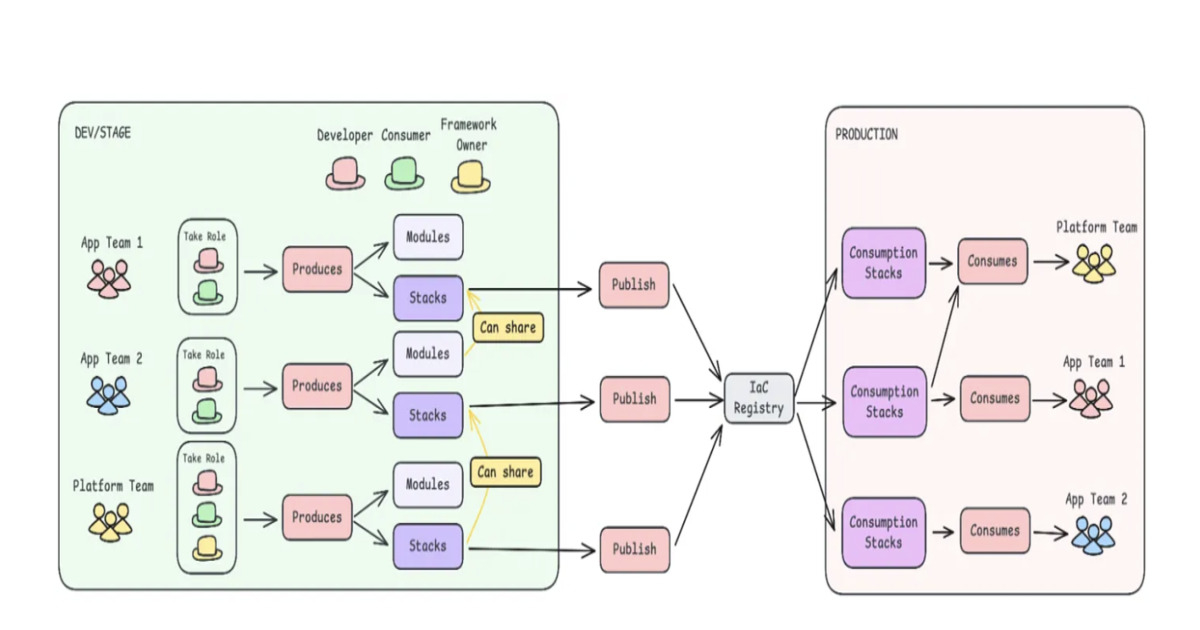
    Adidas engineers describe shifting from a centralized Infrastructure-as-Code model to a decentralized one. Five teams autonomously deployed over 81 new infrastructure stacks in two months, using layered IaC modules, automated pipelines, and shared frameworks. The redesign illustrates how to scale infrastructure delivery while maintaining governance at scale. By Leela Kumili
     

From Central Control to Team Autonomy: Rethinking Infrastructure Delivery

3 March 2026 at 23:01

Adidas engineers describe shifting from a centralized Infrastructure-as-Code model to a decentralized one. Five teams autonomously deployed over 81 new infrastructure stacks in two months, using layered IaC modules, automated pipelines, and shared frameworks. The redesign illustrates how to scale infrastructure delivery while maintaining governance at scale.

By Leela Kumili

Unraveling pancreatic ductal adenocarcinoma at single-cell resolution with spatial insights: From mechanisms to clinical translation

Cancer Lett. 2026 Feb 28;645:218391. doi: 10.1016/j.canlet.2026.218391. Online ahead of print.

ABSTRACT

Pancreatic ductal adenocarcinoma (PDAC) remains one of the most lethal cancers, characterized by pronounced cellular heterogeneity, a dense desmoplastic stroma, and a highly immunosuppressive tumor microenvironment (TME). Recent advances in single-cell RNA sequencing (scRNA-seq) have reshaped our understanding of PDAC by characterizing its cellular composition at single-cell resolution. These studies have uncovered complex TME networks involving T cells, myeloid populations, fibroblasts, and malignant epithelial cells, and have provided mechanistic insights into immune evasion, metastatic progression, and therapeutic resistance. Collectively, these findings depict PDAC as a dynamic and interactive ecosystem driven by cellular interactions. In this review, we systematically summarize recent scRNA-seq-based studies addressing PDAC heterogeneity, tumorigenesis, immune remodeling, therapeutic resistance and biomarker discovery. We further discuss integrative single-cell and spatial multi-omics approaches to map the TME of PDAC, providing a framework for understanding PDAC biology at single-cell and spatial resolution.

PMID:41771343 | DOI:10.1016/j.canlet.2026.218391

Spatial transcriptomics reveals the mechanistic role of lactate metabolism in the pancreatic ductal adenocarcinoma microenvironment

Front Immunol. 2026 Feb 13;17:1743187. doi: 10.3389/fimmu.2026.1743187. eCollection 2026.

ABSTRACT

BACKGROUND: Pancreatic ductal adenocarcinoma (PDAC), an aggressive cancer with poor prognosis, poses major challenges owing to late diagnosis and limited response to current therapies. However, the identification of candidate drugs through multi-omics analyses and therapeutic peptides targeting key molecular pathways may provide improved outcomes. Although lactate metabolism is a critical factor in tumor progression, affecting cell proliferation, metastasis, and immune evasion, its role in PDAC-particularly within the tumor microenvironment, remains underexplored.

OBJECTIVES: This study investigated lactate metabolism in PDAC using high-throughput transcriptomic sequencing and single-cell transcriptomic analysis.

METHODS: Lactate metabolism-related gene expression was analyzed in tumor cells and their microenvironment, and correlations with patient prognosis were determined. Additionally, a machine learning-based prognostic model was established to identify lactate metabolism biomarkers for early diagnosis and personalized therapy.

RESULTS: Lactate metabolism significantly impacted the survival of patients with PDAC (n = 92; log-rank test, p < 0.05). Single-cell RNA and spatial transcriptomics analyses of 50, 795 cells from 8 PDAC samples revealed that 521 malignant cells exhibited hyperactive lactate metabolism (AUCell score comparison, p < 0.001). A prognostic model constructed from lactate metabolism-related genes using ensemble machine learning (StepCox + Enet, α = 0.5) effectively stratified patients into high- and low-risk groups across multiple cohorts (ICGC: n = 92; GSE28735: n = 45; GSE62452: n = 69; GSE183795: n = 139; all log-rank p < 0.05). Key prognostic genes identified included lysozyme (LYZ) and polymeric immunoglobulin receptor, which were significantly associated with patient survival (univariate Cox regression, p < 0.05). These genes may serve as clinical biomarkers of PDAC.

CONCLUSIONS: This study provides insights into PDAC metabolic features and highlights lactate metabolism as a potential therapeutic target. The identified biomarkers could facilitate early diagnosis and improve treatment strategies, ultimately enhancing patient outcomes.

PMID:41766855 | PMC:PMC12946077 | DOI:10.3389/fimmu.2026.1743187

The Transformative Potential of Liquid Biopsies and Circulating Tumor DNA (ctDNA) in Modern Oncology

Diagnostics (Basel). 2026 Feb 9;16(4):523. doi: 10.3390/diagnostics16040523.

ABSTRACT

Background: Liquid biopsy, particularly through the analysis of circulating tumor DNA (ctDNA), represents a significant advancement in oncology. Unlike traditional tissue biopsies, ctDNA offers a minimally invasive, real-time approach to cancer management. It has demonstrated considerable potential in early cancer detection, monitoring of therapeutic responses, and assessing minimal residual disease (MRD) to predict recurrence. By enabling comprehensive molecular profiling through a simple blood test, ctDNA supports the core principles of precision oncology, facilitating more personalized and adaptive treatment strategies. Methods: In the following article we describe the recent developments focused on refining ctDNA detection assays to improve sensitivity and specificity. Advanced technologies, including next-generation sequencing (NGS) and digital PCR, are commonly employed. The integration of artificial intelligence (AI) and multi-omics approaches-such as combining genomic, epigenomic, and transcriptomic data-has further enhanced the analytical power of ctDNA assays. Results: Emerging evidence shows that ctDNA-based liquid biopsy enables dynamic, real-time tracking of tumor evolution and therapeutic resistance. Clinical studies have demonstrated its efficacy in detecting early-stage cancers, guiding treatment selection, and predicting relapse with higher accuracy than some conventional methods. Moreover, AI-enhanced algorithms have improved signal detection, allowing for more precise and earlier identification of actionable mutations and MRD. Conclusions: ctDNA analysis via liquid biopsy is poised to revolutionize cancer care by offering a non-invasive, precise, and adaptive tool for tumor characterization and monitoring. Although obstacles remain-particularly regarding assay sensitivity, standardization, and economic feasibility-ongoing technological innovations and multi-omics integration are rapidly advancing its clinical viability. With continued progress, ctDNA-based liquid biopsy is likely to become a cornerstone of routine oncology practice.

PMID:41750672 | PMC:PMC12938931 | DOI:10.3390/diagnostics16040523

3D, multi-omic imaging reveals molecular biomarkers of the pre-metastatic niche in lung cancer

bioRxiv [Preprint]. 2026 Feb 18:2026.02.18.706515. doi: 10.64898/2026.02.18.706515.

ABSTRACT

The recurrence rate following complete surgical resection of primary non-small cell lung cancer is as high as 55%, yet no approach currently exists to evaluate the risk of local recurrence. The premetastatic paradigm is the recognition that metastasis is preceded by reprogramming naïve tissues to prime a microenvironment for tumor cell survival and subsequent reactivation. Identification of biomarkers of the pre-metastatic niche would allow us to evaluate a patient's risk of local relapse in the normal lung parenchyma surrounding the resected tumor. We designed a workflow incorporating in vivo modelling, radiology, and deep learning-guided three-dimensional (3D) imaging, spatial proteomics, and transcriptomics to identify previously unreported signals associated with the early transformation of the lung parenchyma announcing regional metastasis. We curated biorepository spanning timepoints before and after resection of primary Lewis Lung Carcinoma (LLC) tumors. Using radiology and cellular resolution 3D histology, we calculated the number and distribution of metastases in mouse lungs and developed an algorithm to guide placement of spatial proteomics and transcriptomics to regions containing early micro-metastases and the pre-metastatic microenvironment. Molecular and tissue features associated with presence, size, and location of metastases guided the identification of both myeloid (F4/80) and senescent (p16/p21) cell signatures in the premetastatic and metastatic environments. Finally, multiparametric flow cytometry of metastatic lungs in a senescence reporter GEMM (tdTomato-p16 INKA mice) resolved senescent cells including alveolar macrophages as the cellular phenotypes associated with these early premetastatic signatures. Altogether, this work highlights a novel AI-assisted approach for detection of biomarkers of tissue remodeling during lung cancer invasion.

PMID:41756853 | PMC:PMC12934922 | DOI:10.64898/2026.02.18.706515

Exploration of multi-omics liquid biopsy approaches for multi-cancer early detection: The PROMISE study

Innovation (Camb). 2025 Aug 6;7(1):101076. doi: 10.1016/j.xinn.2025.101076. eCollection 2026 Jan 5.

ABSTRACT

Although circulating cell-free DNA (cfDNA) methylation has emerged as the mainstream approach in multi-cancer detection blood tests (MCDBTs), the potential of integrating proteins and mutations, to enhance its performance remains unclear. The PROMISE study (NCT04972201) was conducted to investigate the feasibility of a multi-omics integration strategy in MCDBTs across nine types of cancers in head and neck (excluding nasopharynx), esophagus, lung, stomach, liver, biliary tract, pancreas, colorectum, and ovary. Blood samples were prospectively collected from 1,706 participants (840 non-cancer; 866 cancer) and then randomly divided into training and validation sets. The complementarity between various omics were investigated, and specific omics features were carefully selected for further multimodal model construction. The methylation-based classifier outperformed both the mutation-based and protein-based classifiers. As 95.0% of cancer cases detected by the mutation-based classifier were simultaneously identified by the methylation-based classifier, while 14.0% of the protein-positive samples were missed, protein markers may provide complementary value to the methylation-based classifier. Compared with the methylation-based classifier, the multimodal classifier combining methylation and protein features exhibited an improved sensitivity of 75.1% (95% confidence interval [CI], 69.3%-80.3%) at the same specificity of 98.8% with the accuracy of top predicted origin (TPO1) of 73.1% (95% CI, 66.2%-79.2%). Notably, the TPO1 accuracy reached 100% in liver and ovarian cancers with negative results of the methylation-based classifier. Collectively, these data suggest that the integration of protein markers in the multimodal classifier can offer additional benefits to the methylation-based classifier, particularly in identifying liver and ovarian cancers.

PMID:41737326 | PMC:PMC12925926 | DOI:10.1016/j.xinn.2025.101076

❌