(MedPage Today) -- GLP-1 receptor agonist use may be associated with a modest increase in erectile dysfunction (ED) risk in men with type 2 diabetes, a target trial emulation suggested.
Using U.S. electronic health record data, the incidence of...
Background: The digital health literacy instrument (DHLI) was developed in 2017 to measure individuals’ ability to access, understand, evaluate, and apply online health information. Since that time, digital health has shifted from desktop-based internet use to mobile devices, and there has been a rapidly expanding range of health apps. Additionally, heightened privacy and data security requirements have increased the complexity of user competencies needed to engage with digital health tools. These developments underscore the need to update the original DHLI. Objective: This study aimed to create an updated version of the DHLI (DHLI 2.0) that reflects current digital health practices and to examine its reliability and validity by exploring associations with user characteristics. Additionally, we aimed to develop a short-form version to facilitate broader use in research and practice. Methods: The instrument was iteratively updated and pilot-tested to retain the original theoretical framework while reflecting current digital health practices, devices, and emerging challenges such as mobile use and data security. Several items were reworded and a new 2-item subscale on digital safety was added. The full DHLI 2.0 comprises 24 items across 8 skill domains. A 16-item short form was developed by iteratively removing 1 or 2 items per subscale based on the “α if item deleted” criterion, while retaining the same subscale structure as the full form. Data to validate the new version of the instrument were collected in June 2024 through an online survey among members of a representative citizen panel in Friesland, a province in the Netherlands (N=2728). Sociodemographics, internet and health-related internet use, general health literacy (measured with the Single Item Literacy Screener), self-reported health, and health care use were assessed. Internal consistency was evaluated using Cronbach α, and construct validity was assessed via Spearman ρ correlations with related constructs. Results: Internal consistency was high for both the full (α=0.94) and short-form (α=0.90) scales. Most subscales showed satisfactory to excellent reliability (α=0.71–0.93), while “Securing privacy” and “Using security measures” demonstrated moderate reliability (α=0.65-0.66). The DHLI 2.0 total scores were approximately normally distributed (skewness –0.5; kurtosis 0.4). As expected, digital health literacy was negatively correlated with age (ρ=−0.39,
Banking house JPMorgan Chase is asking its roughly 65,000 engineers and technologists to use AI tools as part of their regular workflow. Business Insider reported that managers are tracking how often staff use these tools. That use may also influence performance reviews.
The report states employees are encouraged to use tools like ChatGPT and Claude Code when writing code, reviewing documents, or handling routine tasks. Internal systems then classify workers based on their level of use. Some are labelled “light users,” while others fall into a “heavy user” category.
JPMorgan has been using in fraud detection and risk analysis. What stands out here is not the technology itself, but how it is being woven into day-to-day expectations for staff.
According to internal materials cited by Business Insider, managers are paying close attention to how employees use AI tools.
JPMorgan shows AI adoption in banks
Many companies have spent the past two years rolling out AI tools in departments. In most cases, adoption has been uneven. Some teams experiment heavily, while others stick to existing workflows.
JPMorgan is treating AI as a standard part of the job. That creates a more uniform level of adoption in teams. In the past, performance reviews focused on output and accuracy. Now, they may also include how effectively employees use AI tools to reach those results.
That raises a practical question for large organisations. If AI can reduce the time needed for certain tasks, should employees be expected to produce more work in the same amount of time?
Keeping pace with internal change
By tracking use, the bank may be trying to avoid a familiar problem in enterprise software rollouts. Tools are deployed, but adoption is slow, limiting their impact. Making AI part of performance reviews creates a stronger incentive to engage with the technology. It also suggests that AI literacy is becoming a baseline skill, similar to how spreadsheets or code tools became standard over time.
New challenges include employees feeling pressure to use AI even in cases where it does not clearly improve the outcome. There is also the matter of how to measure “good” use, as opposed to simply frequent use.
JPMorgan’s AI risks and efficiency gains
Banks operate in a regulated environment, where introducing AI into more workflows increases the need for oversight.
Tools like ChatGPT and Claude Code can help summarise information or generate drafts, but they can also produce incorrect or incomplete results. That means employees still need to verify outputs before using them in decision-making or client-facing work.
JPMorgan has developed internal controls for AI systems in areas like trading and risk. Expanding use in a broader group of employees may require similar safeguards, creating a situation for the bank in which it wants to improve efficiency, but also needs to ensure that heavier AI use does not introduce new risks.
Other financial institutions are likely watching closely. If tying AI use to performance leads to measurable gains in productivity, similar models may spread in the sector.
The bank’s approach may reshape how companies hire and train employees, and skills like prompt writing and output checks could become part of standard job requirements. JPMorgan’ approach suggests that this change is already underway, at least in banking.
Want to experience the full spectrum of enterprise technology innovation? Join TechEx in Amsterdam, California, and London. Covering AI, Big Data, Cyber Security, IoT, Digital Transformation, Intelligent Automation, Edge Computing, and Data Centres, TechEx brings together global leaders to share real-world use cases and in-depth insights. Click here for more information.
AI News is powered by TechForge Media. Explore other upcoming enterprise technology events and webinars here.
Cancer Treat Res Commun. 2026 Mar 2;47:101162. doi: 10.1016/j.ctarc.2026.101162. Online ahead of print.
ABSTRACT
BACKGROUND: The collection of clinical data and patient tumor specimens in institutional repositories is essential to accelerate translational research in lung cancer, linking laboratory findings with patient outcomes. These resources allow investigators to explore tumor heterogeneity, analyze therapeutic profiles and, more recently, generate patient-derived models of cancer. Given the plethora of therapies in clinical use or under investigation, it is critical to establish tissue collection programs that support the identification of predictive biomarkers of drug sensitivity to define patient subgroups that may benefit from tailored therapeutic strategies. However, access to high-quality viable specimens remains limited.
METHODS: We established a multidisciplinary program -the Lung Cancer Tissue Collection (LCTC) study- to prospectively collect viable human specimens and clinical data. Samples can be collected post-diagnosis and at multiple treatment time points, preserving material for future studies.
RESULTS: In the first 24 months of the LCTC study, we enrolled 158 patients and collected over 700 specimens from patients with lung cancer. EGFR and KRAS mutations were the most frequently identified oncogenic drivers, mirroring frequencies reported in public datasets. We achieved a 60 % success rate in cryopreservation -measured by the proportion of patient-derived organoids growing after tissue thawing and processing- highlighting the feasibility of our program.
CONCLUSIONS: The LCTC biobank captures the molecular and clinical diversity of lung cancer, providing a clinically annotated resource of viable tissue and longitudinal blood specimens. This platform enables patient-derived modeling and multi-omic and functional studies to investigate tumor biology, treatment response, and resistance, supporting biomarker discovery and precision medicine.
Int J Clin Oncol. 2026 Mar 6. doi: 10.1007/s10147-026-03001-6. Online ahead of print.
ABSTRACT
BACKGROUND: Early detection of cancer and precise recurrence monitoring remain major unmet needs in oncology. Conventional screening is limited to a few cancer types, leaving nearly half of cancers without established programs. Multi-cancer early detection (MCED) tests based on circulating tumor biomarkers have shown promise, but sensitivity for early-stage remains a challenge. In parallel, detection of molecular residual disease (MRD) using circulating tumor DNA (ctDNA) has emerged as a powerful prognostic and predictive tool, though current assays remain limited in sensitivity and specificity. This study aims to integrate multi-omics data to develop more refined and highly sensitive MCED and MRD assays.
METHODS: This study leverages clinical information and biospecimens from patients with cancer and cancer-naïve individuals. Samples from patients with cancers will be derived from the MONSTAR-SCREEN-3 study, while those from cancer-naïve individuals will be obtained from the Tohoku Medical Megabank Project. Comprehensive analyses will include whole-genome sequencing (WGS), whole-exome sequencing (WES), whole-transcriptome sequencing (WTS), proteomics, metabolomics, and microbiome profiling using stool and saliva. Artificial intelligence (AI)-based multi-omics integration will be performed to develop novel MCED and MRD assays and to evaluate their clinical performance. The primary endpoints are the sensitivity and specificity of MCED and MRD assays.
DISCUSSION: This is the first large-scale study to integrate comprehensive multi-omics profiling with AI for MCED and MRD assay development. The findings are expected to advance precision oncology by improving early diagnosis and recurrence monitoring.
TRIAL REGISTRATION: UMIN000053815, approved by the Institutional Review Board of the National Cancer Center Hospital East.
Background: Clinical decision support systems (CDSS) have the potential to improve patient safety and reduce costs in primary care. However, CDSS adoption remains limited due to development and implementation challenges. CDSSs are complex interventions involving multiple interacting components that require technological innovation and behavioral and organizational change. Additionally, the primary care context is considered a complex system with high care demand, fragmented structures, and many independent yet interdependent organizations. Established determinant frameworks for implementing and scaling up complex health care interventions support the identification of implementation determinants. However, they offer limited guidance on the underlying processes of these determinants, such as the implementation processes involved in complex interorganizational collaboration in primary care. Objective: This study examined how an interorganizational collaboration in Dutch primary care ( []) achieved an iterative CDSS development and implementation. We aimed to identify the mechanisms that supported the collaboration in overcoming challenges. Methods: We performed an exploratory process-level case study. Data were collected through 15 semistructured interviews. The nonadoption, abandonment, scale-up, spread, and sustainability framework was used to ensure comprehensive topic coverage during the interviews, but not as an analytical framework. We triangulated the interviews with internal and external documents and expert input. Using a thematic, inductive approach, we developed a chronological overview of the collaboration and identified mechanisms offering insights into how GzGr navigated complexity in the development and implementation of CDSS. Results: We identified two mechanisms: (1) enacting an interorganizational value model and (2) iterative, co-creative experimentation. First, GzGr was driven by a coalition of the willing (ie, individuals willing to take an extra step), with shared goals that prioritized collective benefit while respecting organizational values. They established shared principles that translated the broad GzGr mission into concrete CDSS development choices, while also guiding strategic expansion by involving mission-aligned, innovative organizations. Second, after initial prototypes, GzGr established an iterative learning and improvement experimentation for both the technology and the collaboration. This process allowed for rapid feedback, validation of added value, and ongoing refinement. Additionally, this experimentation approached the development and implementation phase as a continuous process involving multistakeholders, supporting both the technology and the collaboration. Conclusions: This study identified 2 mechanisms that sustained interorganizational collaboration and CDSS development. These mechanisms connected collaborative and technical changes across people, technology, and organizational levels, enabling technological viability, stakeholder value, and multilevel support. The mechanisms operated both within and between organizations through iterative cycles of development and implementation. Practical implications include involving multilevel, innovative, and influential stakeholders; maintaining alignment through an orchestrating actor; and adopting an iterative approach between development and implementation. Our findings extend existing determinant frameworks by offering process-level insights into how such mechanisms help overcome challenges in the development and implementation of CDSS within interorganizational collaborations.
Last year, the Department of Health and Human Services published a sweeping document that described the agency’s approach to real-world data. Historically, health and biomedical data has been intentionally manufactured, the output of carefully designed clinical trials. But in a digitized world, it can instead be mined — and patients’ interactions with the health care system are the natural resource.
The Living HHS Open Data Plan, published in July, proposed treating data more like we do other natural resources. “At the core” of the plan, it reads, “lies the concept that data is a ‘public utility’ for good that powers scientific advancement, innovation, and progress.” Patients should have access to that utility, HHS argued, but it should also be easier to leverage for research, safety monitoring, and other uses in the public interest.
On Thursday, a group of researchers, former agency officials, and health data companies continued that call in a policy forum published in Science. If health data is to be treated like a public utility, they write, it should be similarly governed. Like electricity, the system would have to involve customers, local distribution companies, transmission companies, generators, and the government.
(MedPage Today) -- Patients with advanced/refractory cancers treated with genomically matched therapies had better overall survival only when the treatments had support from prospective studies, a large multicenter cohort study from Australia showed...
MedComm (2020). 2026 Mar 2;7(3):e70656. doi: 10.1002/mco2.70656. eCollection 2026 Mar.
ABSTRACT
Chemotherapy is the mainstay in the treatment of advanced gastric cancer (GC); yet, GC showed diverse responses to first-line chemotherapy regimens and the underlying molecular basis is still not clear. Here, we established a system that combined organoid-based chemotherapy regimen screening and transcriptome-based evaluation to identify underlying molecular signatures of different responses to chemotherapy. We generated 19 GC patient-derived organoids (PDOs) from surgically resected specimens with corresponding histological characteristics of parent tumors and tested all of the five most commonly used first-line chemotherapy regimens. Based on the treatment responses, PDOs were classified into double-sensitive, single-sensitive, and not-sensitive groups. PDOs that responded well to chemotherapy presented high expression levels of the P53 pathway genes and low expression levels of cell proliferative activity genes. Furthermore, the chemotherapy-based tumor classification of GC was established. The GC tumor classification was verified by multi-omics features from the TCGA dataset and public drug response datasets. In conclusion, this study systematically evaluated clinical chemotherapy regimens for GC and identified chemotherapy response-associated molecular signatures based on human GC organoids, which are beneficial to the precise treatments of GC.
Artificial intelligence triage in general practice is developing rapidly within the primary care digital transformation, promising efficiency gains and safety standardization in overwhelmed primary care systems. However, current evidence is drawn from retrospective validations, emergency settings, or vignettes, with scant evaluation of real-world outcomes and almost no equity-stratified safety data, despite known disparities across age, ethnicity, language, and deprivation. From a sociotechnical standpoint, which considers the fit between people, tasks, technology, and organizational context, risks arise not only from algorithmic bias and undertriage but also from human factors, workflow misalignment, governance gaps, and inadequate postdeployment monitoring. We argue that ensuring artificial intelligence triage is safe and equitable requires real-world evaluations in primary care settings, equity-focused performance reporting using theoretically informed frameworks, and rigorous postmarket surveillance. Without these, deployment may widen existing health inequalities rather than moderate them.
Background: Telehealth has become an integral component of mental health care delivery worldwide. Understanding provider perceptions is essential to guiding its continued implementation. Objective: This international study used quantitative and qualitative methodologies to examine and broaden our understanding of the benefits and concerns related to telehealth for mental health care. Methods: An internet-based survey was conducted during the COVID-19 pandemic between November 11 and December 18, 2020, among mental health professionals, primarily psychiatrists and psychologists, registered with the World Health Organization’s Global Clinical Practice Network. Clinicians completed the survey in 1 of 6 languages (Chinese, English, French, Japanese, Russian, or Spanish). Descriptive statistics and logistic regressions were used to analyze quantitative survey data on concerns and implementation of telehealth. Responses to an open-ended question about providers’ perspectives on the benefits of telehealth were analyzed qualitatively. Results: In total, 847 participants completed the telehealth section of the survey, and 496 provided a response to the open-ended question. Quantitative data on telehealth use and concerns revealed that clinicians’ primary concerns focused on technical issues and clinical effectiveness relative to in-person services, specifically, loss of clinical information (eg, nonverbal behavior) and challenges with establishing a therapeutic alliance. Findings varied by profession, World Health Organization region, and telehealth training and experience. Qualitative data examining benefits fell into 3 major areas: accessibility and reach of mental health services, efficiency and flexibility for clinicians, and enhancement of clinical processes and outcomes. Taken together, findings revealed a trade-off between telehealth benefits and disadvantages. Conclusions: From the perspective of mental health professionals, telehealth practice comes with key challenges and valuable benefits. Findings offer important considerations for the implementation of telehealth systems, including the importance of training and education and balancing trade-offs to optimize care.
(MedPage Today) -- Rapid antigen diagnostic testing to confirm respiratory syncytial virus (RSV) infections in young children was linked to fewer unnecessary antibiotic prescriptions in outpatient settings, according to an Italian retrospective...
Background: The integration of artificial intelligence (AI) in medical devices is transforming health care by enabling enhanced personalization and precision medicine. AI-driven medical devices can tailor treatments based on individual patient profiles, including genetic data, medical history, and physiological parameters. This advancement holds the potential to refine therapeutic interventions, improve patient outcomes, and streamline health care delivery. However, challenges such as data quality, algorithmic bias, patient privacy, and regulatory complexities hinder the full realization of AI-driven personalization. By 2030, the global AI in health care market is projected to exceed US $187.95 billion, growing at a compound annual growth rate of 37% from US $15.1 billion in 2022. Objective: This review aims to explore the scope and impact of AI-driven personalization in medical devices. It seeks to analyze key technological innovations that have enabled AI integration, identify the critical challenges impeding progress, and evaluate strategies to address these challenges. Additionally, it highlights future research directions and innovation opportunities in this evolving field. Methods: A systematic review was conducted, drawing from scholarly literature, industry analyses, and regulatory advisories. Relevant studies and case examples were analyzed to assess the current applications of AI in medical devices, the barriers to its implementation, and best practices for overcoming these barriers. Ethical, technical, and regulatory considerations were also examined. The review included studies published between 2016 and 2023, covering over 100 peer-reviewed articles and reports. Results: The review highlights significant advancements in AI-driven medical devices, including applications in diagnostics, treatment personalization, wearable health monitoring, and smart prosthetics. AI-based diagnostic tools have achieved up to 98.88% accuracy in multiclass disease classification from X-ray images and 95% accuracy in insulin injection site recognition. It identifies key challenges such as data security risks, algorithmic biases, regulatory constraints, and integration issues with existing health care infrastructures. Currently, more than 70% of clinical decisions rely on diagnostic tests, yet AI-driven automation could reduce diagnostic delays by up to 50%. Several strategies, including improved data validation techniques, regulatory frameworks for AI approval, and ethical guidelines, were found to be effective in mitigating these challenges. Case studies demonstrate how AI has enhanced medical device functionality and patient outcomes. Conclusions: AI-driven personalization in medical devices holds immense potential to revolutionize health care, offering more precise, adaptive, and patient-centered solutions. However, successful implementation requires addressing technical, ethical, and regulatory challenges. Emerging technologies such as quantum computing could improve AI-driven medical diagnoses by 10‐20 times in processing efficiency, while blockchain-based patient data management could reduce security breaches by more than 30%. This review serves as a valuable resource for researchers, health care professionals, policymakers, and industry leaders, fostering informed discussions and guiding future advancements in AI-enabled personalized medicine.
arXiv:2603.02960v1 Announce Type: new
Abstract: Large language models increasingly function as epistemic agents -- entities that can 1) autonomously pursue epistemic goals and 2) actively shape our shared knowledge environment. They curate the information we receive, often supplanting traditional search-based methods, and are frequently used to generate both personal and deeply specialized advice. How they perform these functions, including whether they are reliable and properly calibrated to both individual and collective epistemic norms, is therefore highly consequential for the choices we make. We argue that the potential impact of epistemic AI agents on practices of knowledge creation, curation and synthesis, particularly in the context of complex multi-agent interactions, creates new informational interdependencies that necessitate a fundamental shift in evaluation and governance of AI. While a well-calibrated ecosystem could augment human judgment and collective decision-making, poorly aligned agents risk causing cognitive deskilling and epistemic drift, making the calibration of these models to human norms a high-stakes necessity. To ensure a beneficial human-AI knowledge ecosystem, we propose a framework centered on building and cultivating the trustworthiness of epistemic AI agents; aligning AI these agents with human epistemic goals; and reinforcing the surrounding socio-epistemic infrastructure. In this context, trustworthy AI agents must demonstrate epistemic competence, robust falsifiability, and epistemically virtuous behaviors, supported by technical provenance systems and "knowledge sanctuaries" designed to protect human resilience. This normative roadmap provides a path toward ensuring that future AI systems act as reliable partners in a robust and inclusive knowledge ecosystem.
Their makers claim they can detect dozens of cancer types — but some scientists say they could be missing many cancers or delivering the wrong diagnosis.
Scientists have identified a crucial molecular switch that decides whether pancreatic cancer cells resist chemotherapy or respond to it. The key player, a gene called GATA6, keeps tumours in a more structured and treatable form—but it gets shut down by an overactive KRAS-driven pathway. When researchers blocked that pathway, GATA6 levels rebounded and cancer cells became more sensitive to chemo. The discovery could help turn some of the toughest pancreatic tumours into ones doctors can better control.
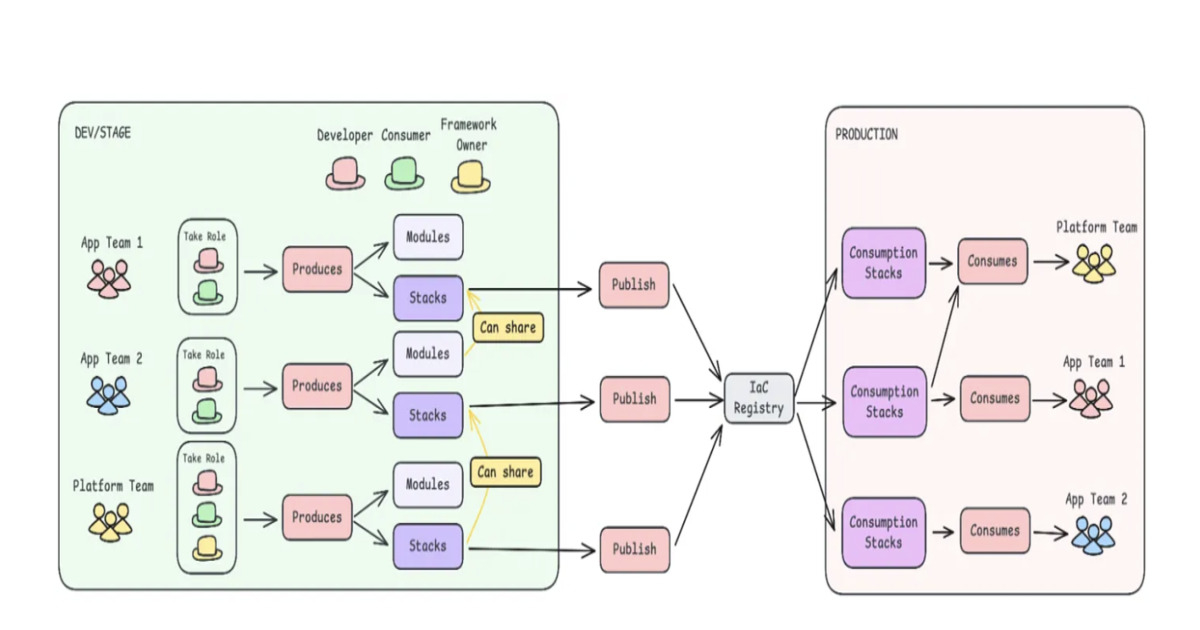
Adidas engineers describe shifting from a centralized Infrastructure-as-Code model to a decentralized one. Five teams autonomously deployed over 81 new infrastructure stacks in two months, using layered IaC modules, automated pipelines, and shared frameworks. The redesign illustrates how to scale infrastructure delivery while maintaining governance at scale.
Artificial intelligence is no longer just powering defensive cybersecurity tools, it is reshaping the entire threat landscape. AI is accelerating reconnaissance, improving the realism of phishing, automating malware mutation, and enabling adaptive attack techniques. At the same time, enterprises are embedding AI agents, copilots, and generative AI tools into everyday workflows.
That dual dynamic has created a new category: AI security.
AI security platforms focus on three primary challenges in 2026:
Securing enterprise AI usage and prompt interactions
Protecting AI models, agents, and infrastructure
Defending against AI-powered cyber threats
Below are five of the strongest AI security solutions in 2026.
Check Point – AI-driven security
Check Point integrates AI security into its broader Infinity platform, covering network, cloud, endpoint, and AI usage in a unified architecture.
The core of the platform is ThreatCloud AI, which leverages more than 50 AI engines and intelligence from over 150,000 connected networks. Compromise indicators propagate across the platform within seconds, enabling coordinated defense across domains.
The platform addresses AI risk at multiple layers. GenAI Protect monitors employee interactions with generative AI tools, semantically analysing prompts to enforce data loss prevention policies in real time. This approach focuses on contextual classification rather than simple keyword matching.
Check Point also secures AI infrastructure and enhances security operations through Infinity AI Copilot. Independent testing has shown high efficacy against zero-day malware, and the platform has consistently ranked highly in hybrid firewall evaluations.
Best for: Enterprises seeking unified AI security across infrastructure, AI usage, and security operations.
CrowdStrike – AI security services
CrowdStrike extends its Falcon platform into AI protection by integrating telemetry from endpoints, identities, cloud workloads, and AI agent activity.
Falcon AIDR focuses specifically on defending against prompt injection and malicious manipulation of AI agents. It is designed to identify known prompt injection techniques while maintaining low latency, which is critical in production AI environments.
CrowdStrike also integrates AI assistants directly into security operations. Charlotte AI supports natural language threat investigation and automated triage, reinforcing the company’s vision of an AI-augmented SOC.
The approach is particularly strong for organisations already standardised on the Falcon ecosystem, allowing AI security capabilities to extend existing endpoint and cloud telemetry.
Best for: Organisations seeking integrated AI threat detection within an established endpoint-centric security architecture.
Cisco – AI defense
Cisco approaches AI security from a network-centric vantage point. Because it operates at the network layer, Cisco can inspect AI-related traffic across enterprise environments, including API calls and model interactions that may not be visible at the endpoint level.
Cisco AI Defense integrates into the broader Security Service Edge architecture. Recent enhancements include AI Bills of Materials to map dependencies within AI ecosystems, real-time guardrails for agentic systems, and red teaming simulations against AI workflows.
Cisco aligns its controls with established frameworks such as NIST AI Risk Management Framework and MITRE ATLAS. This emphasis on governance makes it attractive to enterprises operating in regulated industries.
Best for: Enterprises with strong Cisco network infrastructure seeking AI security embedded at the traffic and control layer.
Microsoft– AI-enhanced security ecosystem
Microsoft’s AI security advantage lies in scale. The company processes tens of trillions of security signals daily across its global infrastructure.
Security Copilot functions as an AI assistant embedded within Defender, Entra, Intune, and Purview. It automates alert triage, assists with natural language threat investigation, and orchestrates remediation actions.
Microsoft has also expanded AI security posture management to include multi-cloud environments, including AWS and Google Cloud AI services. This is particularly important for enterprises building AI models outside Azure.
For organisations already invested in Microsoft 365 enterprise licensing, AI-enhanced security capabilities can be layered into existing subscriptions without introducing additional vendor complexity.
Best for: Enterprises deeply aligned with Microsoft 365 and Defender ecosystems.
Okta– Identity security with AI risk context
As AI agents proliferate, identity becomes a primary attack surface. Many AI systems operate with high levels of privilege and autonomy.
Okta focuses specifically on identity governance in AI environments. Its architecture treats AI agents as first-class identities, applying authentication, authorisation, and lifecycle governance controls similar to those applied to human users.
Identity Security Posture Management identifies over-privileged accounts, including non-human identities, and surfaces risk in real time. The company also promotes open standards for managing AI-to-application connectivity through extended OAuth mechanisms.
For enterprises rapidly deploying AI agents internally, identity-centric AI security becomes essential.
Best for: Organisations deploying AI agents at scale that require identity governance for non-human actors.
Comparison Overview
Vendor
Core strength
Ideal buyer
Check Point
Unified AI security across infrastructure and usage
Large enterprises seeking platform consolidation
CrowdStrike
Endpoint-integrated AI threat detection
Falcon-centric organisations
Cisco
Network-layer AI traffic visibility
Cisco ecosystem enterprises
Microsoft
Signal scale and Copilot integration
Microsoft 365-heavy environments
Okta
AI identity governance
Organisations deploying AI agents broadly
How to choose the right AI security solution
Selecting the right AI security platform depends on architecture and maturity.
Organisations building AI internally should prioritise infrastructure protection and identity governance. Enterprises concerned with employee generative AI usage should evaluate prompt monitoring and DLP integration. Security teams overwhelmed by alert volume may prioritise AI-augmented SOC automation.
AI security is not a separate silo. It intersects with network security, identity management, cloud governance, and incident response.
The platforms above represent different strategic entry points into AI risk management. The best solution is the one aligned with your existing ecosystem and operational model.
In 2026, AI is both a tool and a target. Enterprises that treat AI security as an integrated part of their security architecture will be better positioned to manage evolving threats.
Cancer Lett. 2026 Feb 28;645:218391. doi: 10.1016/j.canlet.2026.218391. Online ahead of print.
ABSTRACT
Pancreatic ductal adenocarcinoma (PDAC) remains one of the most lethal cancers, characterized by pronounced cellular heterogeneity, a dense desmoplastic stroma, and a highly immunosuppressive tumor microenvironment (TME). Recent advances in single-cell RNA sequencing (scRNA-seq) have reshaped our understanding of PDAC by characterizing its cellular composition at single-cell resolution. These studies have uncovered complex TME networks involving T cells, myeloid populations, fibroblasts, and malignant epithelial cells, and have provided mechanistic insights into immune evasion, metastatic progression, and therapeutic resistance. Collectively, these findings depict PDAC as a dynamic and interactive ecosystem driven by cellular interactions. In this review, we systematically summarize recent scRNA-seq-based studies addressing PDAC heterogeneity, tumorigenesis, immune remodeling, therapeutic resistance and biomarker discovery. We further discuss integrative single-cell and spatial multi-omics approaches to map the TME of PDAC, providing a framework for understanding PDAC biology at single-cell and spatial resolution.

 Login
Login
 (MedPage Today) -- GLP-1 receptor agonist use may be associated with a modest increase in erectile dysfunction (ED) risk in men with type 2 diabetes, a target trial emulation suggested.
Using U.S. electronic health record data, the incidence of...
(MedPage Today) -- GLP-1 receptor agonist use may be associated with a modest increase in erectile dysfunction (ED) risk in men with type 2 diabetes, a target trial emulation suggested.
Using U.S. electronic health record data, the incidence of... 

 (MedPage Today) -- Patients with advanced/refractory cancers treated with genomically matched therapies had better overall survival only when the treatments had support from prospective studies, a large multicenter cohort study from Australia showed...
  (MedPage Today) -- Rapid antigen diagnostic testing to confirm respiratory syncytial virus (RSV) infections in young children was linked to fewer unnecessary antibiotic prescriptions in outpatient settings, according to an Italian retrospective...