
❌

Reading view

The Download: AI for cancer diagnosis, and HIV prevention

This is today’s edition of The Download, our weekday newsletter that provides a daily dose of what’s going on in the world of technology.

Why it’s so hard to use AI to diagnose cancer

Finding and diagnosing cancer is all about spotting patterns. Radiologists use x-rays and magnetic resonance imaging to illuminate tumors, and pathologists examine tissue from kidneys, livers, and other areas under microscopes. They look for patterns that show how severe a cancer is, whether particular treatments could work, and where the malignancy may spread.

Visual analysis is something that AI has gotten quite good at since the first image recognition models began taking off nearly 15 years ago. Even though no model will be perfect, you can imagine a powerful algorithm someday catching something that a human pathologist missed, or at least speeding up the process of getting a diagnosis.

We’re starting to see lots of new efforts to build such a model—at least seven attempts in the last year alone. But they all remain experimental. What will it take to make them good enough to be used in the real world? Read the full story.

—James O’Donnell

This story originally appeared in The Algorithm, our weekly newsletter on AI. To get stories like this in your inbox first, sign up here.

Long-acting HIV prevention meds: 10 Breakthrough Technologies 2025

In June 2024, results from a trial of a new medicine to prevent HIV were announced—and they were jaw-dropping. Lenacapavir, a treatment injected once every six months, protected over 5,000 girls and women in Uganda and South Africa from getting HIV. And it was 100% effective.

So far, the FDA has approved the drug only for people who already have HIV that’s resistant to other treatments. But its producer Gilead has signed licensing agreements with manufacturers to produce generic versions for HIV prevention in 120 low-income countries.

The United Nations has set a goal of ending AIDS by 2030. It’s ambitious, to say the least: We still see over 1 million new HIV infections globally every year. But we now have the medicines to get us there. What we need is access. Read the full story.

—Jessica Hamzelou

Long-acting HIV prevention meds is one of our 10 Breakthrough Technologies for 2025, MIT Technology Review’s annual list of tech to watch. Check out the rest of the list, and cast your vote for the honorary 11th breakthrough.

The must-reads

I’ve combed the internet to find you today’s most fun/important/scary/fascinating stories about technology.

1 Donald Trump signed an executive order delaying TikTok’s ban
Parent company ByteDance has 75 days to reach a deal to stay live in the US. (WP $)
+ China appears to be keen to keep the platform operating, too. (WSJ $)

2 Neo-Nazis are celebrating Elon Musk’s salutes
They’re thrilled by the two Nazi-like salutes he gave at a post-inauguration rally. (Wired $)
+ Whether the gestures were intentional or not, extremists have chosen to interpret them that way. (Rolling Stone $)
+ MAGA is all about granting unchecked power to the already powerful. (Vox)
+ How tech billionaires are hoping Trump will reward them for their support. (NY Mag $)

3 Trump is withdrawing the US from the World Health Organization
He’s accused the agency of mishandling the covid 19 pandemic. (Ars Technica)+ He first tried to leave the WHO in 2020, but failed to complete it before he left office. (Reuters)
+ Trump is also working on pulling the US out of the Paris climate agreement. (The Verge)

4 Meta will keep using fact checkers outside the US—for now
It wants to see how its crowdsourced fact verification system works in America before rolling it out further. (Bloomberg $)

5 Startup Friend has delayed shipments of its AI necklace
Customers are unlikely to receive their pre-orders before Q3. (TechCrunch)
+ Introducing: The AI Hype Index. (MIT Technology Review)

6 This sophisticated tool can pinpoint where a photo was taken in seconds
Members of the public have been trying to use GeoSpy for nefarious means for months. (404 Media)

7 Los Angeles is covered in ash
And it could take years before it fully disappears. (The Atlantic $)

8 Singapore is turning to AI companions to care for its elders
Robots are filling the void left by an absence of human nurses. (Rest of World)
+ Inside Japan’s long experiment in automating elder care. (MIT Technology Review)

9 The lost art of using a pen 🖊
Typing and swiping are replacing good old fashioned paper and ink. (The Guardian)

10 LinkedIn is getting humorous
Posts are getting more personal, with a decidedly comedic bent. (FT $)

Quote of the day

“It’s been really beautiful to watch how two communities that would be considered polar opposites have come together.”

—Khalil Bowens, a content creator based in Los Angeles, reflects on the influx of Americans joining Chinese social media app Xiaohongshu to the Wall Street Journal.


The big story

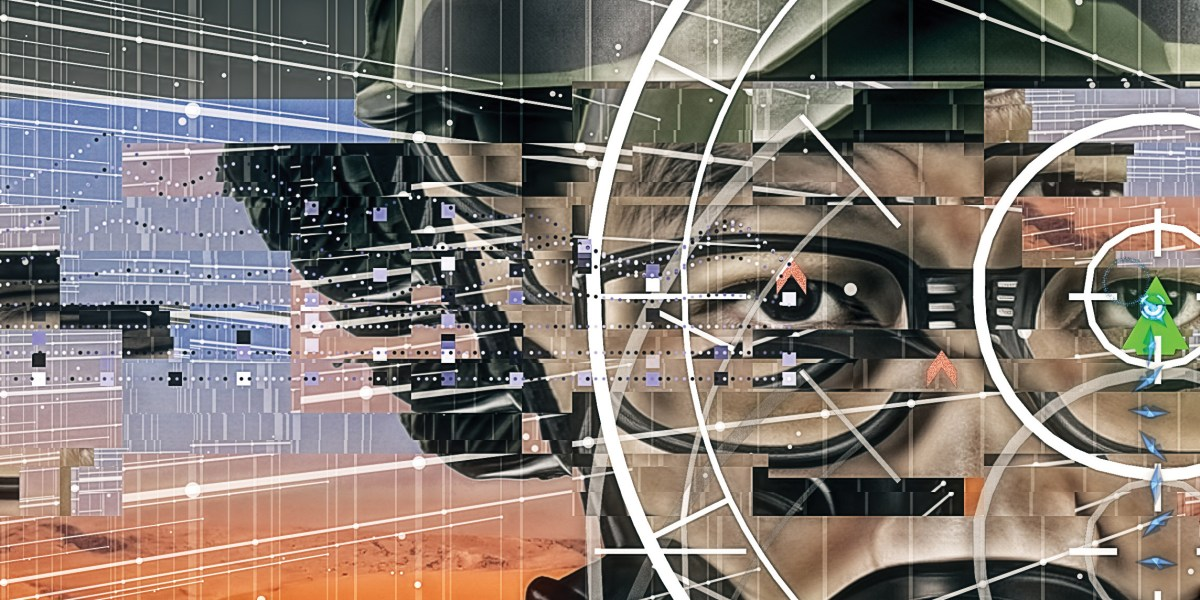
Inside the messy ethics of making war with machines
August 2023

In recent years, intelligent autonomous weapons—weapons that can select and fire upon targets without any human input—have become a matter of serious concern. Giving an AI system the power to decide matters of life and death would radically change warfare forever.

Intelligent autonomous weapons that fully displace human decision-making have (likely) yet to see real-world use.

However, these systems have become sophisticated enough to raise novel questions—ones that are surprisingly tricky to answer. What does it mean when a decision is only part human and part machine? And when, if ever, is it ethical for that decision to be a decision to kill? Read the full story.

—Arthur Holland Michel

We can still have nice things

A place for comfort, fun and distraction to brighten up your day. (Got any ideas? Drop me a line or skeet ’em at me.)

+ Baby octopuses aren’t just cute—they can change color from the moment they’re born 🐙
+ Nintendo artist Takaya Imamura played a key role in making the company the gaming juggernaut it is today.
+ David Lynch wasn’t just a master of imagery, the way he deployed music to creep us out was second to none.
+ Only got a bag of rice in the cupboard? No problem.

  •  

Why it’s so hard to use AI to diagnose cancer

This story originally appeared in The Algorithm, our weekly newsletter on AI. To get stories like this in your inbox first, sign up here.

Peering into the body to find and diagnose cancer is all about spotting patterns. Radiologists use x-rays and magnetic resonance imaging to illuminate tumors, and pathologists examine tissue from kidneys, livers, and other areas under microscopes and look for patterns that show how severe a cancer is, whether particular treatments could work, and where the malignancy may spread.

In theory, artificial intelligence should be great at helping out. “Our job is pattern recognition,” says Andrew Norgan, a pathologist and medical director of the Mayo Clinic’s digital pathology platform. “We look at the slide and we gather pieces of information that have been proven to be important.” 

Visual analysis is something that AI has gotten quite good at since the first image recognition models began taking off nearly 15 years ago. Even though no model will be perfect, you can imagine a powerful algorithm someday catching something that a human pathologist missed, or at least speeding up the process of getting a diagnosis. We’re starting to see lots of new efforts to build such a model—at least seven attempts in the last year alone—but they all remain experimental. What will it take to make them good enough to be used in the real world?

Details about the latest effort to build such a model, led by the AI health company Aignostics with the Mayo Clinic, were published on arXiv earlier this month. The paper has not been peer-reviewed, but it reveals much about the challenges of bringing such a tool to real clinical settings. 

The model, called Atlas, was trained on 1.2 million tissue samples from 490,000 cases. Its accuracy was tested against six other leading AI pathology models. These models compete on shared tests like classifying breast cancer images or grading tumors, where the model’s predictions are compared with the correct answers given by human pathologists. Atlas beat rival models on six out of nine tests. It earned its highest score for categorizing cancerous colorectal tissue, reaching the same conclusion as human pathologists 97.1% of the time. For another task, though—classifying tumors from prostate cancer biopsies—Atlas beat the other models’ high scores with a score of just 70.5%. Its average across nine benchmarks showed that it got the same answers as human experts 84.6% of the time. 

Let’s think about what this means. The best way to know what’s happening to cancerous cells in tissues is to have a sample examined by a pathologist, so that’s the performance that AI models are measured against. The best models are approaching humans in particular detection tasks but lagging behind in many others. So how good does a model have to be to be clinically useful?

“Ninety percent is probably not good enough. You need to be even better,” says Carlo Bifulco, chief medical officer at Providence Genomics and co-creator of GigaPath, one of the other AI pathology models examined in the Mayo Clinic study. But, Bifulco says, AI models that don’t score perfectly can still be useful in the short term, and could potentially help pathologists speed up their work and make diagnoses more quickly.    

What obstacles are getting in the way of better performance? Problem number one is training data.

“Fewer than 10% of pathology practices in the US are digitized,” Norgan says. That means tissue samples are placed on slides and analyzed under microscopes, and then stored in massive registries without ever being documented digitally. Though European practices tend to be more digitized, and there are efforts underway to create shared data sets of tissue samples for AI models to train on, there’s still not a ton to work with. 

Without diverse data sets, AI models struggle to identify the wide range of abnormalities that human pathologists have learned to interpret. That includes for rare diseases, says Maximilian Alber, cofounder and CTO of Aignostics. Scouring the publicly available databases for tissue samples of particularly rare diseases, “you’ll find 20 samples over 10 years,” he says. 

Around 2022, the Mayo Clinic foresaw that this lack of training data would be a problem. It decided to digitize all of its own pathology practices moving forward, along with 12 million slides from its archives dating back decades (patients had consented to their being used for research). It hired a company to build a robot that began taking high-resolution photos of the tissues, working through up to a million samples per month. From these efforts, the team was able to collect the 1.2 million high-quality samples used to train the Mayo model. 

This brings us to problem number two for using AI to spot cancer. Tissue samples from biopsies are tiny—often just a couple of millimeters in diameter—but are magnified to such a degree that digital images of them contain more than 14 billion pixels. That makes them about 287,000 times larger than images used to train the best AI image recognition models to date. 

“That obviously means lots of storage costs and so forth,” says Hoifung Poon, an AI researcher at Microsoft who worked with Bifulco to create GigaPath, which was featured in Nature last year. But it also forces important decisions about which bits of the image you use to train the AI model, and which cells you might miss in the process. To make Atlas, the Mayo Clinic used what’s referred to as a tile method, essentially creating lots of snapshots from the same sample to feed into the AI model. Figuring out how to select these tiles is both art and science, and it’s not yet clear which ways of doing it lead to the best results.

Thirdly, there’s the question of which benchmarks are most important for a cancer-spotting AI model to perform well on. The Atlas researchers tested their model in the challenging domain of molecular-related benchmarks, which involves trying to find clues from sample tissue images to guess what’s happening on a molecular level. Here’s an example: Your body’s mismatch repair genes are of particular concern for cancer, because they catch errors made when your DNA gets replicated. If these errors aren’t caught, they can drive the development and progression of cancer. 

“Some pathologists might tell you they kind of get a feeling when they think something’s mismatch-repair deficient based on how it looks,” Norgan says. But pathologists don’t act on that gut feeling alone. They can do molecular testing for a more definitive answer. What if instead, Norgan says, we can use AI to predict what’s happening on the molecular level? It’s an experiment: Could the AI model spot underlying molecular changes that humans can’t see?

Generally no, it turns out. Or at least not yet. Atlas’s average for the molecular testing was 44.9%. That’s the best performance for AI so far, but it shows this type of testing has a long way to go. 

Bifulco says Atlas represents incremental but real progress. “My feeling, unfortunately, is that everybody’s stuck at a similar level,” he says. “We need something different in terms of models to really make dramatic progress, and we need larger data sets.”


Now read the rest of The Algorithm

Deeper Learning

OpenAI has created an AI model for longevity science

AI has long had its fingerprints on the science of protein folding. But OpenAI now says it’s created a model that can engineer proteins, turning regular cells into stem cells. That goal has been pursued by companies in longevity science, because stem cells can produce any other tissue in the body and, in theory, could be a starting point for rejuvenating animals, building human organs, or providing supplies of replacement cells. 

Why it matters: The work was a product of OpenAI’s collaboration with the longevity company Retro Labs, in which Sam Altman invested $180 million. It represents OpenAI’s first model focused on biological data and its first public claim that its models can deliver scientific results. The AI model reportedly engineered more effective proteins, and more quickly, than the company’s scientists could. But outside scientists can’t evaluate the claims until the studies have been published.  Read more from Antonio Regalado.

Bits and Bytes

What we know about the TikTok ban

The popular video app went dark in the United States late Saturday and then came back around noon on Sunday, even as a law banning it took effect. (The New York Times)

Why Meta might not end up like X 

X lost lots of advertising dollars as Elon Musk changed the platform’s policies. But Facebook and Instagram’s massive scale make them hard platforms for advertisers to avoid. (Wall Street Journal)

What to expect from Neuralink in 2025

More volunteers will get Elon Musk’s brain implant, but don’t expect a product soon. (MIT Technology Review)

A former fact-checking outlet for Meta signed a new deal to help train AI models

Meta paid media outlets like Agence France-Presse for years to do fact checking on its platforms. Since Meta announced it would shutter those programs, Europe’s leading AI company, Mistral, has signed a deal with AFP to use some of its content in its AI models. (Financial Times)

OpenAI’s AI reasoning model “thinks” in Chinese sometimes, and no one really knows why

While it comes to its response, the model often switches to Chinese, perhaps a reflection of the fact that many data labelers are based in China. (Tech Crunch)

  •  

Integrative single-cell and multi-omics analyses reveal ferroptosis-associated gene expression and immune microenvironment heterogeneity in gastric cancer

Discov Oncol. 2025 Jan 17;16(1):57. doi: 10.1007/s12672-025-01798-8.

ABSTRACT

Gastric cancer (GC), a prevalent malignancy worldwide, encompasses a multitude of biological processes in its progression. Recently, ferroptosis, a novel mode of cell demise, has become a focal point in cancer research. The microenvironment of gastric cancer is composed of diverse cell populations, yet the specific gene expression profiles and their association with ferroptosis are not well understood. Our study employed single-cell RNA sequencing to thoroughly investigate the transcriptomic profiles and identify differential gene expression in gastric cancer, offering fresh insights into the cellular diversity and underlying molecular mechanisms of this disease. We discovered a set of significantly differentially expressed genes in GC, which may serve as valuable leads for future functional investigations. Subsequent analyses, including gene set intersection and functional enrichment, pinpointed genes implicated in ferroptosis and conducted comprehensive Gene Ontology (GO) and Kyoto Encyclopedia of Genes and Genomes (KEGG) analyses to elucidate their biological roles. In the gene selection and model validation section, critical genes were identified using machine learning algorithms, constructing a model with high predictive accuracy. Besides, distorted immune landscapes were further identified in RBL using ssGSEA analysis such that the complex association of gene expression features and its interaction networks as well as infiltration by various types of immune cells can be more clearly understood. Correlation analysis with different immune cell subtypes showed CTSB as an important regulator in the distributions of cancer infiltrating cells. Single-cell RNA sequencing analysis was utilized to map the cellular composition and gene expression profiles of cells in the gastric cancer microenvironment, which provide critical information for elucidating cellular heterogeneity as well as tumor microenvironment regulation in GC. Moreover, the distribution of FTH1, ZFP36 and CIRBP at different expression levels show new research prospects for functional information of these promoters in tumor microenvironment. In summary, the present study augments our knowledge of molecular mechanisms underlying gastric tumorigenesisa and provide scientific basis for identifing new targets and biomarkers in therapeutic diagnosis.

PMID:39831925 | PMC:PMC11747029 | DOI:10.1007/s12672-025-01798-8

  •  

Deciphering the mechanisms of long non-coding RNAs in ferroptosis: insights into its clinical significance in cancer progression and immunology

Cell Death Discovery, Published online: 18 January 2025; doi:10.1038/s41420-025-02290-6

Deciphering the mechanisms of long non-coding RNAs in ferroptosis: insights into its clinical significance in cancer progression and immunology
  •  

OpenAI has created an AI model for longevity science

When you think of AI’s contributions to science, you probably think of AlphaFold, the Google DeepMind protein-folding program that earned its creator a Nobel Prize last year.

Now OpenAI says it’s getting into the science game too—with a model for engineering proteins.

The company says it has developed a language model that dreams up proteins capable of turning regular cells into stem cells—and that it has handily beat humans at the task.

The work represents OpenAI’s first model focused on biological data and its first public claim that its models can deliver unexpected scientific results. As such, it is a step toward determining whether or not AI can make true discoveries, which some argue is a major test on the pathway to “artificial general intelligence.”

Last week, OpenAI CEO Sam Altman said he was “confident” his company knows how to build an AGI, adding that “superintelligent tools could massively accelerate scientific discovery and innovation well beyond what we are capable of doing on our own.” 

The protein engineering project started a year ago when Retro Biosciences, a longevity research company based in San Francisco, approached OpenAI about working together.

That link-up did not happen by chance. Sam Altman, the CEO of OpenAI, personally funded Retro with $180 million, as MIT Technology Review first reported in 2023.

Retro has the goal of extending the normal human lifespan by 10 years. For that, it studies what are called Yamanaka factors. Those are a set of proteins that, when added to a human skin cell, will cause it to morph into a young-seeming stem cell, a type that can produce any other tissue in the body. 

It’s a phenomenon that researchers at Retro, and at richly funded companies like Altos Labs, see as the possible starting point for rejuvenating animals, building human organs, or providing supplies of replacement cells.

But such cell “reprogramming” is not very efficient. It takes several weeks, and less than 1% of cells treated in a lab dish will complete the rejuvenation journey.

OpenAI’s new model, called GPT-4b micro, was trained to suggest ways to re-engineer the protein factors to increase their function. According to OpenAI, researchers used the model’s suggestions to change two of the Yamanaka factors to be more than 50 times as effective—at least according to some preliminary measures. 

“Just across the board, the proteins seem better than what the scientists were able to produce by themselves,” says John Hallman, an OpenAI researcher.

Hallman and OpenAI’s Aaron Jaech, as well as Rico Meinl from Retro, were the model’s lead developers.

Outside scientists won’t be able to tell if the results are real until they’re published, something the companies say they are planning. Nor is the model available for wider use—it’s still a bespoke demonstration, not an official product launch.

“This project is meant to show that we’re serious about contributing to science,” says Jaech. “But whether those capabilities will come out to the world as a separate model or whether they’ll be rolled into our mainline reasoning models—that’s still to be determined.”

The model does not work the same way as Google’s AlphaFold, which predicts what shape proteins will take. Since the Yamanaka factors are unusually floppy and unstructured proteins, OpenAI said, they called for a different approach, which its large language models were suited to.

The model was trained on examples of protein sequences from many species, as well as information on which proteins tend to interact with one another. While that’s a lot of data, it’s just a fraction of what OpenAI’s flagship chatbots were trained on, making GPT-4b an example of a “small language model” that works with a focused data set.

Once Retro scientists were given the model, they tried to steer it to suggest possible redesigns of the Yamanaka proteins. The prompting tactic used is similar to the “few-shot” method, in which a user queries a chatbot by providing a series of examples with answers, followed by an example for the bot to respond to.

Although genetic engineers have ways to direct evolution of molecules in the lab, they can usually test only so many possibilities. And even a protein of typical length can be changed in nearly infinite ways (since they’re built from hundreds of amino acids, and each acid comes in 20 possible varieties).

OpenAI’s model, however, often spits out suggestions in which a third of the amino acids in the proteins were changed.

an image of Fibroblasts on Day 1; an image of Cells reprogrammed with SOX@, KLF4, OCT4, and MYC on Day 10; and an image of cells reprogrammed with RetroSOX, RetroKLF, OCT4, and MYC on Day 10
OPENAI

“We threw this model into the lab immediately and we got real-world results,” says Retro’s CEO, Joe Betts-Lacroix. He says the model’s ideas were unusually good, leading to improvements over the original Yamanaka factors in a substantial fraction of cases.

Vadim Gladyshev, a Harvard University aging researcher who consults with Retro, says better ways of making stem cells are needed. “For us, it would be extremely useful. [Skin cells] are easy to reprogram, but other cells are not,” he says. “And to do it in a new species—it’s often extremely different, and you don’t get anything.” 

How exactly the GPT-4b arrives at its guesses is still not clear—as is often the case with AI models. “It’s like when AlphaGo crushed the best human at Go, but it took a long time to find out why,” says Betts-Lacroix. “We are still figuring out what it does, and we think the way we apply this is only scratching the surface.”

OpenAI says no money changed hands in the collaboration. But because the work could benefit Retro—whose biggest investor is Altman—the announcement may add to questions swirling around the OpenAI CEO’s side projects.

Last year, the Wall Street Journal said Altman’s wide-ranging investments in private tech startups amount to an “opaque investment empire” that is “creating a mounting list of potential conflicts,” since some of these companies also do business with OpenAI.

In Retro’s case, simply being associated with Altman, OpenAI, and the race toward AGI could boost its profile and increase its ability to hire staff and raise funds. Betts-Lacroix did not answer questions about whether the early-stage company is currently in fundraising mode. 

OpenAI says Altman was not directly involved in the work and that it never makes decisions based on Altman’s other investments. 

  •  

Genomic and phenotypic correlates of mosaic loss of chromosome Y in blood

Am J Hum Genet. 2025 Jan 6:S0002-9297(24)00456-7. doi: 10.1016/j.ajhg.2024.12.014. Online ahead of print.

ABSTRACT

Mosaic loss of Y (mLOY) is the most common somatic chromosomal alteration detected in human blood. The presence of mLOY is associated with altered blood cell counts and increased risk of Alzheimer disease, solid tumors, and other age-related diseases. We sought to gain a better understanding of genetic drivers and associated phenotypes of mLOY through analyses of whole-genome sequencing (WGS) of a large set of genetically diverse males from the Trans-Omics for Precision Medicine (TOPMed) program. We show that haplotype-based calling methods can be used with WGS data to successfully identify mLOY events. This approach enabled us to identify differences in mLOY frequencies across populations defined by genetic similarity, revealing a higher frequency of mLOY in the European (EUR) ancestry group compared to other ancestries. We identify multiple loci associated with mLOY susceptibility and show that subsets of human hematopoietic stem cells are enriched for the activity of mLOY susceptibility variants. Finally, we found that certain alleles on chromosome Y are more likely to be lost than others in detectable mLOY clones.

PMID:39809269 | DOI:10.1016/j.ajhg.2024.12.014

  •  

RMethyMD: An integrated platform for exploring RNA methylation in pan-cancer via a multiomics analysis

Cancer Lett. 2025 Jan 12;612:217462. doi: 10.1016/j.canlet.2025.217462. Online ahead of print.

ABSTRACT

A user-friendly integrated database, RMethyMD (http://www.tmliang.cn/rnamethy), was developed to provide a comprehensive analysis of methylation regulators aimed at facilitating the exploration of molecular features in tumorigenesis and clinical implications in cancer diagnosis and treatment via a multiomics approach. Subsequently, molecular landscapes and a robust constructed m6A-based prognostic model using coxBoost + RSF algorithms in lung cancer highlighted m6A as a suitable marker to guide therapeutic strategy. RMethyMD provides a comprehensive resource and multiomics analysis to explore m6A-based prognostic and clinical values, thereby contributing to aiding personalized cancer therapy.

PMID:39809358 | DOI:10.1016/j.canlet.2025.217462

  •  

Multi-omics models for predicting prognosis in non-small cell lung cancer patients following chemotherapy and radiotherapy: A multi-center study

Radiother Oncol. 2025 Jan 10;204:110715. doi: 10.1016/j.radonc.2025.110715. Online ahead of print.

ABSTRACT

BACKGROUND AND PURPOSE: Quantifying tumor heterogeneity from various dimensions is crucial for precise treatment. This study aimed to develop and validate multi-omics models based on the computed tomography images, pathological images, dose and clinical information to predict treatment response and overall survival of non-small cell lung cancer (NSCLC) patients undergoing chemotherapy and radiotherapy.

MATERIALS AND METHODS: This retrospective study included 220 NSCLC patients from three centers. Following feature extraction and selection, single-omics and multi-omics models were built for treatment response and overall survival prediction. The performance of treatment response models was evaluated using the area under the curve (AUC) and box plots. For overall survival analysis, the model's evaluation included AUC, concordance index (C-index), Kaplan-Meier curves, and calibration curves. Shapley values were used to assess the contribution of different features to multi-omics models.

RESULTS: Multi-omics models consistently exhibited superior discriminative ability compared to single-omics models in predicting both treatment response and overall survival. For treatment response, the three all-modality models achieved AUC values of 0.87, 0.91, and 0.82 in the external validation set, respectively. In overall survival analysis, the three all-modality models demonstrated AUC values and C-index of 0.73/0.72, 0.80/0.77, 0.79/0.78 in the external validation set, respectively.

CONCLUSION: Multi-omics prediction models demonstrated superior predictive ability with robustness and interpretability. By predicting treatment response and overall survival in NSCLC patients, these models have the potential to assist clinician optimizing treatment plans, supporting individualized treatment strategies, improving the tumor control probability and prolonging the patients' survival.

PMID:39800269 | DOI:10.1016/j.radonc.2025.110715

  •  

Liquid Biopsy for Spinal Tumors: On the Frontiers of Clinical Application

Global Spine J. 2025 Jan;15(1_suppl):16S-28S. doi: 10.1177/21925682231222012.

ABSTRACT

STUDY DESIGN: Narrative review.

OBJECTIVES: This article aims to provide a narrative review of the current state of research for liquid biopsy in spinal tumors and to discuss the potential application of liquid biopsy in the clinical management of patients with spinal tumors.

METHODS: A comprehensive review of the literature was performed using PubMed, Google Scholar, Medline, Embase and Cochrane databases, and the review was limited to articles of English language. All the relevant articles which were identified to be related to liquid biomarker study in spinal tumors, were studied in full text.

RESULTS: Liquid biopsy has revolutionized the field of precision medicine by guiding personalized clinical management of cancer patients based on the liquid biomarker status. In recent years, more research has been done to investigate its potential utilization in patients with tumors from the spine. Herein, we review the liquid biomarkers that have been proposed in different spine malignancies including chordoma, chondrosarcoma, Ewing sarcoma, osteosarcoma, astrocytoma and ependymoma. We also discuss the wide window of opportunity to utilize these liquid biomarkers in diagnosis, treatment response, monitoring, and detection of minimal residual disease in patients with spinal tumors.

CONCLUSIONS: Liquid biomarkers, especially blood-derived circulating tumor DNA, has a promising clinical utility as they are disease-specific, minimally invasive, and the procedure is repeatable. Prospective studies with larger populations are needed to fully establish its use in the setting of spinal tumors.

PMID:39801114 | PMC:PMC11726521 | DOI:10.1177/21925682231222012

  •  

Airway MMP-12 and DNA methylation in COPD: an integrative approach

Respir Res. 2025 Jan 10;26(1):10. doi: 10.1186/s12931-024-03088-3.

ABSTRACT

BACKGROUND: In COPD, the balance between matrix metalloproteinases (MMPs) and their natural inhibitors [tissue inhibitors of metalloproteinases (TIMPs)] is shifted towards excessive degradation, reflected in bronchoalveolar lavage (BAL) as increased MMP concentrations. Because of their critical role in lung homeostasis, MMP activity is tightly regulated, but to what extent this regulation occurs through epigenetic mechanisms remains unknown.

METHODS: To explore the interplay between MMPs, TIMPs, and DNA methylation (DNAm) we (1) analysed MMP-9, -12, and TIMP-1 concentrations in BAL fluid, and profiled DNAm in BAL cells from 18 COPD and 30 control subjects, (2) estimated protein-COPD relationships using multivariable regression, (3) identified protein quantitative trait methylation loci (pQTMs) with COPD as a potential modifier in a separate interaction model, and (4) integrated significant interactions with a previous COPD GWAS meta-analysis.

RESULTS: COPD was associated with higher levels of BAL MMP-12 (p = 0.016) but not with MMP-9 or TIMP-1. Further examination of MMP-12 identified association with DNAm at 34 loci (pQTMs), with TGFBR2 (p = 2.25 × 10⁻¹⁰) and THBS4 (p = 1.11 × 10⁻⁹) among the top ten pQTM genes. The interaction model identified 66 sites where the DNAm-MMP-12 association was significantly different in COPD compared to controls. Of these, one was colocalized with SNPs previously associated with COPD.

CONCLUSIONS: Our findings indicate that airway MMP-12 may partially be regulated by epigenetic mechanisms and that this regulation is disrupted in COPD. Furthermore, integration with COPD GWAS data suggests that this dysregulation is influenced by a combination of environmental factors, disease processes, and genetics, with the latter potentially playing a lesser role.

PMID:39794761 | PMC:PMC11724436 | DOI:10.1186/s12931-024-03088-3

  •  

Proteolethargy is a pathogenic mechanism in chronic disease

Pathogenic signaling leads to reduced mobility of proteins with diverse functions. This proteolethargy, which is due to increased oxidation of cysteine residues, may account for diverse cellular phenotypes seen in chronic diseases.
  •  

LcProt: Proteomics-based identification of plasma biomarkers for lung cancer multievent, a multicentre study

Clin Transl Med. 2025 Jan;15(1):e70160. doi: 10.1002/ctm2.70160.

ABSTRACT

BACKGROUND: Plasma protein has gained prominence in the non-invasive predicting of lung cancer. We utilised Zeolite Zotero NaY-based plasma proteomics to investigate its potential for multiple event predicting, including lung cancer diagnosis (task #1), lymph node metastasis detection (task #2) and tumour‒node‒metastasis (TNM) staging (task #3).

METHODS: A total of 4703 plasma proteins were quantified from 241 participants based on a prospective cohort of 2757 participants. An additional 46 participants from external prospective cohort of 735 participants were used for validation. Feature selection was performed using differential expressed protein analysis, area under curve (AUC) evaluation and least absolute shrinkage and selection operator (LASSO) regression. Random forest was used for multitask model construction based on the key proteins. Feature importance was interpreted using Shapley additive explanations (SHAP) algorithm.

RESULTS: For task #1, 10 proteins panel showed an AUC of .87 (.77‒.97) in the external validation. After integrating clinical factors, a significant increase diagnostic accuracy was observed with AUC of .91 (.85‒.98). For task #2, nine proteins panel achieved an AUC of .88 (.80‒.96), integration model showed an increase diagnostic accuracy with AUC of .90 (.85‒.97). For task #3, 10 proteins panel showed an AUC of .88 (.74‒.96) for stage I, .92 (.84‒.97) for stage II, .88 (.76‒.96) for stage III and .99 (.98‒.99) for stage IV in the integration model.

CONCLUSIONS: This study comprehensively profiled the NaY-based plasma proteome biomarker, laying the foundation for a high-performance blood test for predicting multiple events in lung cancer.

KEY POINTS: Our study developed an innovative nanomaterial, Zeolite NaY, which addressed the masking effect and improved the depth of the proteome. The performance of NaY-based plasma proteomics as a preclinical diagnostic tool was validated through both internal and external cohort. Furthermore, we explored the different patterns of plasma protein changes during the progression of lung cancer and used the explanations method to elucidate the roles of proteins in the multitask predictive model.

PMID:39783847 | PMC:PMC11714244 | DOI:10.1002/ctm2.70160

  •  
❌