 Login
Login
A new reality of molecular surveillance for resected lung cancer
Transl Lung Cancer Res. 2025 Jul 31;14(7):2369-2373. doi: 10.21037/tlcr-2025-523. Epub 2025 Jul 17.
NO ABSTRACT
PMID:40799451 | PMC:PMC12337028 | DOI:10.21037/tlcr-2025-523

Transl Lung Cancer Res. 2025 Jul 31;14(7):2369-2373. doi: 10.21037/tlcr-2025-523. Epub 2025 Jul 17.
NO ABSTRACT
PMID:40799451 | PMC:PMC12337028 | DOI:10.21037/tlcr-2025-523
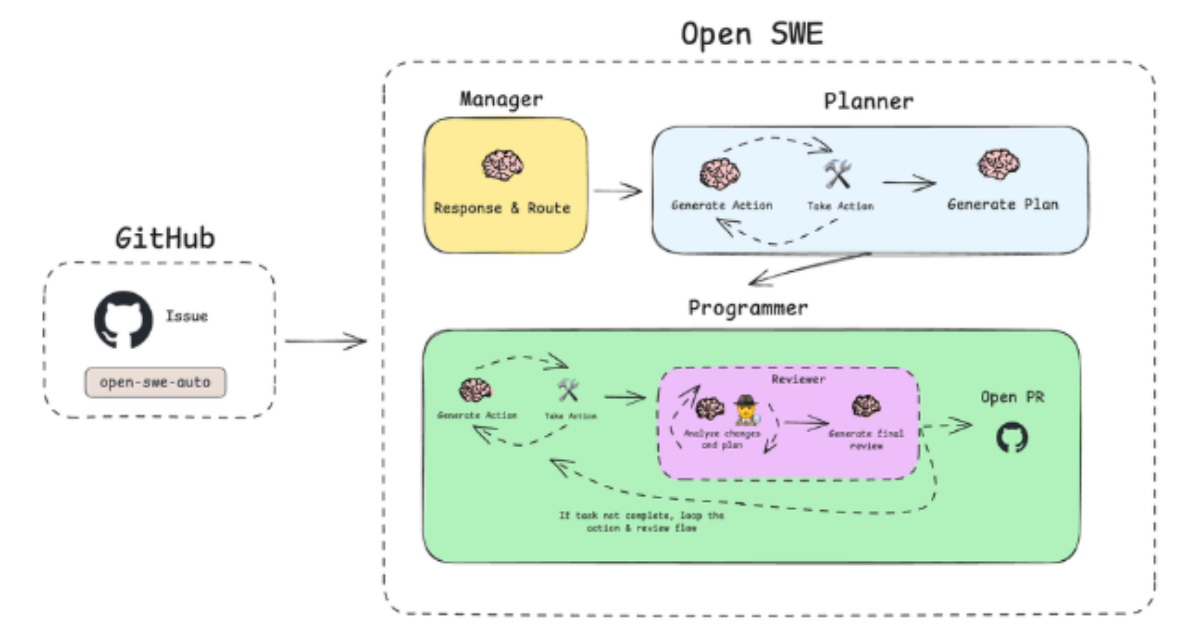
LangChain has released Open SWE, a fully open-source, asynchronous coding agent designed to operate in the cloud and handle complex software development tasks. The company says Open SWE represents a shift away from real-time “copilot” assistants toward more autonomous, long-running agents that integrate directly with a developer’s existing workflows.
By Robert Krzaczyński
Nature, Published online: 13 August 2025; doi:10.1038/s41586-025-09398-w
A study presents ALPACA, a computational method for inferring clone- and allele-specific copy numbers of individual clones from multi-sample bulk DNA-sequencing data, and demonstrates its use to study metastasis trajectories.
Nature, Published online: 06 August 2025; doi:10.1038/s41586-025-09272-9
A study reports whole-genome sequences for 490,640 participants from the UK Biobank and combines these data with phenotypic data to provide new insights into the relationship between human variation and sequence variation.
Nature, Published online: 06 August 2025; doi:10.1038/d41586-025-02462-5
Artificial intelligence models are too often assessed against flawed goals — a stumbling block for progress.
Future Oncol. 2025 Aug 5:1-19. doi: 10.1080/14796694.2025.2542051. Online ahead of print.
ABSTRACT
Lung Cancer (LC) remains the leading cause of cancer-related mortality. While Tissue Biopsy (TB) remains the gold standard for molecular profiling, its invasiveness and inability to provide real-time monitoring have led to the adoption of Liquid Biopsy (LB) as a minimally invasive alternative. By analyzing different circulating analytes such as cell-free DNA (cfDNA), circulating tumor DNA (ctDNA), Circulating Tumor Cells (CTCs), Extracellular Vesicles (EVs), and Tumor-Educated Platelets (TEPs), LB offers a dynamic approach to assessing tumor heterogeneity, Minimal Residual Disease (MRD), and treatment resistance. Recent clinical trials have underscored their role in guiding therapy decisions and monitoring treatment response. In early-stage disease, several Randomized Clinical Trials (RCTs) have shown that ctDNA clearance predicts survival benefits in patients receiving neoadjuvant or perioperative Immune Checkpoint Inhibitors (ICIs). Additionally, adjuvant RCTs have confirmed the ctDNA prognostic role in post-surgical relapse risk assessment. Despite its transformative potential, challenges such as assay standardization, sensitivity limitations in early-stage disease, and regulatory barriers remain. As ongoing research continues to validate its clinical utility, LB is poised to become an indispensable tool in the precision management of LC.
PMID:40762271 | DOI:10.1080/14796694.2025.2542051
Eur Urol Focus. 2025 Aug 1:S2405-4569(25)00178-6. doi: 10.1016/j.euf.2025.06.009. Online ahead of print.
ABSTRACT
BACKGROUND AND OBJECTIVE: Urinary tumor DNA (utDNA) has emerged as a promising biomarker in the care, diagnosis, early detection, recurrence monitoring, and prognosis of bladder cancer (BCa). Its noninvasive nature, ease of access, and cost effectiveness make it an attractive option for both patients and health care providers. This review describes the current state of utDNA as a marker of BCa.
METHODS: Articles published between 2015 and 2025 on current utDNA-based techniques in BCa were identified and analyzed for relevance and insight into utDNA research and usage.
KEY FINDINGS AND LIMITATIONS: Recent investigations underscore the noninvasiveness and superior tumor detection capabilities of utDNA, particularly in the detection of minimal residual disease. Moreover, utDNA provides actionable information, such as tumor grade and staging information, to support precise treatment decisions, including targeted immunotherapy regimens and bladder preservation strategies. Although utDNA has shown promising results in small studies, larger studies must be performed before it can be considered as a standard procedure in clinical practice.
CONCLUSIONS AND CLINICAL IMPLICATIONS: Urinary tumor DNA has demonstrated great potential to improve on most, if not all, stages of detection, treatment, and monitoring of BCa. By preserving the low cost and noninvasiveness of urine cytology, and by replacing its suboptimal accuracy with a precision rivaling and often exceeding cystoscopy and circulating tumor DNA-based methods, utDNA offers patients a more comfortable, repeatable, and accurate way of detecting BCa. With increased sensitivity and accuracy, everything from low-grade tumors to the earliest signs of recurrence can be detected more effectively, optimizing patient treatment courses and improving outcomes.
PMID:40753029 | DOI:10.1016/j.euf.2025.06.009
Nature, Published online: 05 August 2025; doi:10.1038/d41586-025-02480-3
Don’t train medical AI on patients’ data without their knowledge
Eur Respir J. 2025 Jul 31:2402537. doi: 10.1183/13993003.02537-2024. Online ahead of print.
ABSTRACT
BACKGROUND: Allograft injury in the early post-transplant period is a known risk factor of death after lung transplantation. However, the recipient tissue injury profile and its association with outcomes remain unexplored. This study leverages cell-free DNA (cfDNA) to test this association.
METHODS: The prospective cohort multicenter study included lung transplant recipients (GRAfT, NCT02423070) with serial plasma measurements of recipient-derived (rd)-cfDNA using digital droplet PCR. Non-transplant healthy controls were recruited as the comparator. Whole-genome bisulfite sequencing identified tissue sources of cfDNA. Mean rd-cfDNA levels within 30 days post-transplant was computed. Multivariable regression models were used to assess the association between rd-cfDNA tertiles and the primary outcome of death and secondary outcomes.
RESULTS: The study included 215 patients with 2530 cfDNA values, including 675 cfDNA assessments in the first 30 days. Median rd-cfDNA levels in the first 30 days post-transplant were ∼16-fold higher than cfDNA for healthy controls. Patients in the highest tertile rd-cfDNA group had lower lung function post-transplant, and increased risk of death (HR: 3.15, 95% CI: 1.59-6.24, p<0.001) and acute rejection (HR 2.33, 95% CI: 1.33-4.08, p=0.03), compared to the low/middle tertile group. Tissue-specific cfDNA sources were also distinct cfDNA in the highest versus lowest rd-cfDNA tertiles, with cfDNA from innate immune cells serving as the strongest predictor of mortality.
CONCLUSION: Post-transplant recipient tissue injury varies between lung transplant patients and is associated with increased risk of acute rejection and mortality.
PMID:40744691 | DOI:10.1183/13993003.02537-2024
Eur J Radiol. 2025 Jul 22;191:112327. doi: 10.1016/j.ejrad.2025.112327. Online ahead of print.
ABSTRACT
The NAVIGATOR project established an Italian regional imaging biobank and interactive research platform designed to support precision oncology through the integration of multimodal imaging, clinical, and omics data. The platform goes beyond a static repository, offering a secure Virtual Research Environment (VRE) where users can upload data, test AI algorithms, and execute complete analytical pipelines. The platform incorporates artificial intelligence (AI)-driven radiomics and deep learning methodologies to enable biomarker extraction, disease stratification, and predictive modeling. This manuscript presents the development and implementation of the NAVIGATOR infrastructure, including its data governance framework, ethical and legal considerations, and application to three oncological use cases: prostate, rectal, and gastric cancers. To date, the biobank has collected imaging and clinical data from over 700 patients across these cohorts. AI models were deployed within a dedicated VRE to facilitate image analysis, feature extraction, and classification tasks. The project addresses critical challenges related to data harmonization, regulatory compliance, privacy safeguards and fairness in AI systems. NAVIGATOR demonstrates the feasibility of integrating AI methodologies within imaging biobanks and provides a scalable framework to advance oncological research and support clinical decision-making.
PMID:40743874 | DOI:10.1016/j.ejrad.2025.112327
J Liq Biopsy. 2025 Jul 16;9:100312. doi: 10.1016/j.jlb.2025.100312. eCollection 2025 Sep.
ABSTRACT
Breast cancer (BC) is the most frequent cancer and the leading cause of cancer-related death among women worldwide. It represents a heterogeneous group of diseases with distinct morphological, immunophenotypic, and molecular profiles, which significantly impact clinical behavior and therapeutic response. Moreover, under treatment pressure, tumor cells may undergo molecular changes and phenotypic plasticity, leading to resistance and therapeutic failure. Although tissue biopsy remains the gold standard for diagnosis and molecular characterization, it has several limitations, including invasiveness, sampling bias, and the inability to dynamically capture tumor evolution over time. Hence, a non-invasive and repeatable approach capable of real-time monitoring is increasingly needed. Liquid biopsy (LB), through the analysis of circulating tumor cells (CTCs) and circulating tumor DNA (ctDNA), has emerged as a powerful tool to complement tissue biopsy. It allows for longitudinal assessment of tumor burden, detection of minimal residual disease, and identification of molecular alterations relevant to targeted therapies. Despite promising results, the integration of LB into clinical practice is still limited by methodological heterogeneity, standardization gaps, and regulatory issues. Nonetheless, LB represents a key advancement toward precision oncology and may become essential in the personalized management of BC patients. In this review, we explore the current applications, benefits, and technical limitations of LB in different BC settings. We provide a comprehensive overview of the biological and clinical significance of CTCs and ctDNA, emphasizing their diagnostic, prognostic, and predictive roles. Finally, we present an updated summary of ongoing clinical trials that incorporate LB for clinical decision-making.
PMID:40740670 | PMC:PMC12308030 | DOI:10.1016/j.jlb.2025.100312
Drug Dev Res. 2025 Aug;86(5):e70131. doi: 10.1002/ddr.70131.
ABSTRACT
Since lung cancer accounts for approximately 20% of cancer-related fatalities globally, it is one of the most common and deadly cancers, necessitating the discovery of innovative, potent, and less toxic treatment agents as imperative. Opportunistically, phytoflavonoids (PFs), a specific class of phytochemicals, display promising anticancer activity through their multimodal apoptosis-inducing properties. Based on existing evidence, the present study employs an integrative multi-omics approach to assess the target-specific binding efficacy and drug-ability outlines of PFs against lung cancer. We selected two of the most likely lung cancer targets using the core part of PFs: carbonic anhydrase IX (PDB ID: 3DAZ) and poly(A) binding protein cytoplasmic 1 (PDB ID: 3KUJ). Another two key targets, glutathione S-transferase P1 (PDB ID: 3GSS) and 17β-hydroxysteroid dehydrogenase 1 (HSD17B1, 3HB4), were also included in our study based on recent literature. The potency of 66 PFs against four targets was assessed through a molecular docking study using PyRx 0.8-AutoDock 4.2 software. PF15, PF43, PF6, and PF26 were the lead candidates. Further, physicochemical profiles through standard Lipinski rule of five parameters and toxicity and drug-ability profiles suggested that PF43 (naringenin) is the most ideal lead candidate among them. Molecular dynamics (MD) simulation studies were performed at 200 ns to observe the kinetic behaviors of CA9-PF43 and CA9-U-1014 docking complexes along with the calculated free energy through the MM/PBSA method. From both analyses, PF43 showed higher stability and lower free energy, expressing its potency over the standard drug. We also investigated the structure-activity relationship and frontier molecular orbitals to highlight the drug chemistry of lead PFs. The integrative multi-omics investigation suggested that using PF43 for lung cancer treatment could increase the chances of experimental success. Overall, the systematic computational analyses provide a platform for lead identification and pave the way for precision phytotherapy in current drug discovery.
PMID:40741887 | DOI:10.1002/ddr.70131
Cell Rep. 2025 Jul 29;44(8):116065. doi: 10.1016/j.celrep.2025.116065. Online ahead of print.
ABSTRACT
Genome-wide association studies (GWASs) have identified over 100 signals associated with type 1 diabetes (T1D). However, it has been challenging to translate any given T1D GWAS signal into mechanistic insights, such as causal variants, their target genes, and the specific cell types involved. Here, we present a comprehensive multi-omic integrative analysis of single-cell/nucleus resolution profiles of gene expression and chromatin accessibility in human pancreatic islets under baseline and T1D-stimulating conditions. We nominate effector cell types for all T1D GWAS signals and the regulatory elements and genes for three independent T1D signals acting through β cells at the DLK1/MEG3, RASGRP1, and TOX loci. Subsequently, we validated the functional impact of these genes and regulatory regions using isogenic human embryonic stem cells (hESCs). We found that loss of RASGRP1 or DLK1, as well as disruption of their corresponding regulatory regions, led to increased β cell apoptosis. Furthermore, β cells derived from isogenic hESCs carrying the T1D risk allele of rs3783355 associated with DLK1 showed elevated β cell death. Through additional RNA sequencing (RNA-seq) and assay for transposase-accessible chromatin using sequencing (ATAC-seq) analyses, we identified five genes upregulated in both RASGRP1-/- and DLK1-/- β-like cells, four of which are near T1D GWAS signals. This integrative approach combining single-cell multi-omics, GWASs, and isogenic human pluripotent stem cell (hPSC)-derived β-like cells illuminates cell type context, genes, single nucleotide polymorphisms (SNPs), and regulatory elements underlying T1D-associated signals, providing insights into the biological functions and molecular mechanisms involved.
PMID:40737125 | DOI:10.1016/j.celrep.2025.116065
bioRxiv [Preprint]. 2025 Jun 8:2025.06.08.658506. doi: 10.1101/2025.06.08.658506.
ABSTRACT
Advances in spatial profiling have resulted in the generation of multi-omic atlases that span biological scales. In general, multiple workflows are required for image registration, coordinate registration, and spot deconvolution to integrate modalities. To improve the throughput of registration of multi-omic cohorts, we introduce PIVOT, a user-friendly and open-source interface for streamlined nonlinear registration. We demonstrate PIVOT's strengths through registration of three multi-omic datasets, and show comparison of its performance to existing workflows.
PMID:40661390 | PMC:PMC12259011 | DOI:10.1101/2025.06.08.658506
J Liq Biopsy. 2025 Jul 8;9:100310. doi: 10.1016/j.jlb.2025.100310. eCollection 2025 Sep.
ABSTRACT
Bladder cancer is the ninth most common malignancy worldwide, with two clinically distinct forms: non-muscle-invasive disease, characterized by high recurrence and excellent long-term survival, and muscle-invasive disease, associated with poorer outcomes. Current surveillance-cystoscopy and urine cytology-offers high specificity but is invasive, costly, and insensitive to low-grade tumors, underscoring the need for reliable, non-invasive biomarkers. Liquid biopsy approaches in urine and blood have demonstrated promise for real-time assessment of tumor burden, molecular heterogeneity, and early recurrence. Circulating tumor DNA (ctDNA) assays detect tumor-derived genetic and epigenetic alterations, enabling dynamic monitoring of minimal residual disease and treatment response. Methylation-based tests and CpG-targeted sequencing in urine achieve high diagnostic accuracy, potentially reducing dependence on cystoscopy. Molecular classification of bladder tumors into luminal and basal subtypes has refined therapeutic strategies: FGFR inhibitors for luminal-papillary tumors, EGFR-targeted and chemotherapy approaches for basal/squamous cases, and immune-checkpoint inhibitors guided by immune-infiltration profiles. Integration of artificial intelligence with multi-omic liquid biopsy data further enhances predictive modeling for recurrence, treatment response, and minimal residual disease detection. Despite these advances, clinical implementation faces challenges including pre-analytical variability, lack of standardized assays, limited prospective validation, and unclear cost-effectiveness. Harmonized protocols, large multicenter trials, and health-economic evaluations are essential to translate liquid biopsy technologies into routine practice. Future integration with advanced imaging, tissue biopsy, and digital pathology-supported by multidisciplinary collaboration and formal guideline endorsement-holds the potential to personalize bladder cancer management, reduce invasive procedures, and improve patient outcomes.
PMID:40698358 | PMC:PMC12281373 | DOI:10.1016/j.jlb.2025.100310
Nature, Published online: 23 July 2025; doi:10.1038/s41586-025-09265-8
A bivalent biparatopic nanobody penetrates the brain, binds to and potentiates the activity of homodimeric metabotropic glutamate receptor 2, correcting cognitive deficits in two preclinical mouse models with endophenotypes resulting from NMDA receptor hypofunction.
Nature, Published online: 23 July 2025; doi:10.1038/s41586-025-09140-6
Using sequencing and haplotype-resolved assembly of 65 diverse human genomes, complex regions including the major histocompatibility complex and centromeres are analysed.
ACS Omega. 2025 Jun 30;10(27):28782-28796. doi: 10.1021/acsomega.4c10637. eCollection 2025 Jul 15.
ABSTRACT
Despite the high prevalence of type 2 diabetes (T2D), the mechanisms driving pathology in pancreatic islet β cells remain poorly understood. We utilized a multiomics approach to evaluate the transcriptional and biochemical makeup of islets from human organ donors with T2D and nondiabetic controls. Transcriptomic (N = 10), proteomic (N = 6), and untargeted high-resolution metabolomic (N = 10) data were analyzed individually and then integrated using sparse partial least-squares regression, and differential network analysis was performed. In individual data sets, 25 transcripts, 30 proteins, and 30 metabolites were differentially abundant between T2D and nondiabetic islets, representing some pathways not previously characterized in T2D islets including purine and pyrimidine, branched-chain amino acid, and histidine metabolism. Network analysis of integrated data sets highlighted disrupted relationships among features in T2D islets compared to those from nondiabetic individuals. Fatty and amino acid metabolism and immune activity were identified as prominent drivers of the distinctions in biochemical interactions in T2D networks. Our findings also suggested greater abundance and influence of industrial chemicals, including polychlorinated and polybrominated biphenyls, in T2D islets. This pilot study demonstrates that multiomics profiling can identify candidate molecules and mechanisms impacting islet cell activity in T2D, which could represent targets for therapeutic intervention.
PMID:40687044 | PMC:PMC12268419 | DOI:10.1021/acsomega.4c10637
J Clin Invest. 2025 Jul 15;135(14):e191937. doi: 10.1172/JCI191937. eCollection 2025 Jul 15.
ABSTRACT
Pancreatic ductal adenocarcinoma (PDAC) is known to progress from one of two main precursor lesions: pancreatic intraepithelial neoplasia (PanIN) or intraductal papillary mucinous neoplasm (IPMN). The poor survival rates for patients with PDAC, even those diagnosed with localized disease, highlight the need for pancreatic cancer interception at the precursor stage. Although their basic biological drivers are well characterized, practical strategies for PanIN and IPMN interception remain elusive due to difficulties with detection, risk stratification, and low-morbidity intervention. Recently, advances in liquid biopsy, spatial multiomics analysis, and machine learning technology have provided deeper understanding of the molecular landscapes underlying pancreatic precursor development and progression. In this Review, we outline the different histologic phenotypes, clinical characteristics, and neoplastic cell-intrinsic and -extrinsic drivers of PanINs and IPMNs, with particular focus on current and potential future opportunities for pancreatic precancer interception.
PMID:40662372 | PMC:PMC12259249 | DOI:10.1172/JCI191937
