❌

Reading view

Dropbox Evolves Riviera Content Processing Platform to Support AI Workloads

Dropbox has evolved Riviera from a file preview service into a universal content processing platform supporting more than 300 file formats and over 100 transformation capabilities. Processing hundreds of thousands of transformations per second, Riviera now supports Search, Replay, Sign, and Dash, while its APIs enable asynchronous content extraction for AI and RAG workflows.

By Leela Kumili
  •  

Cloudflare Introduces EmDash: TypeScript CMS Positioned as WordPress Successor

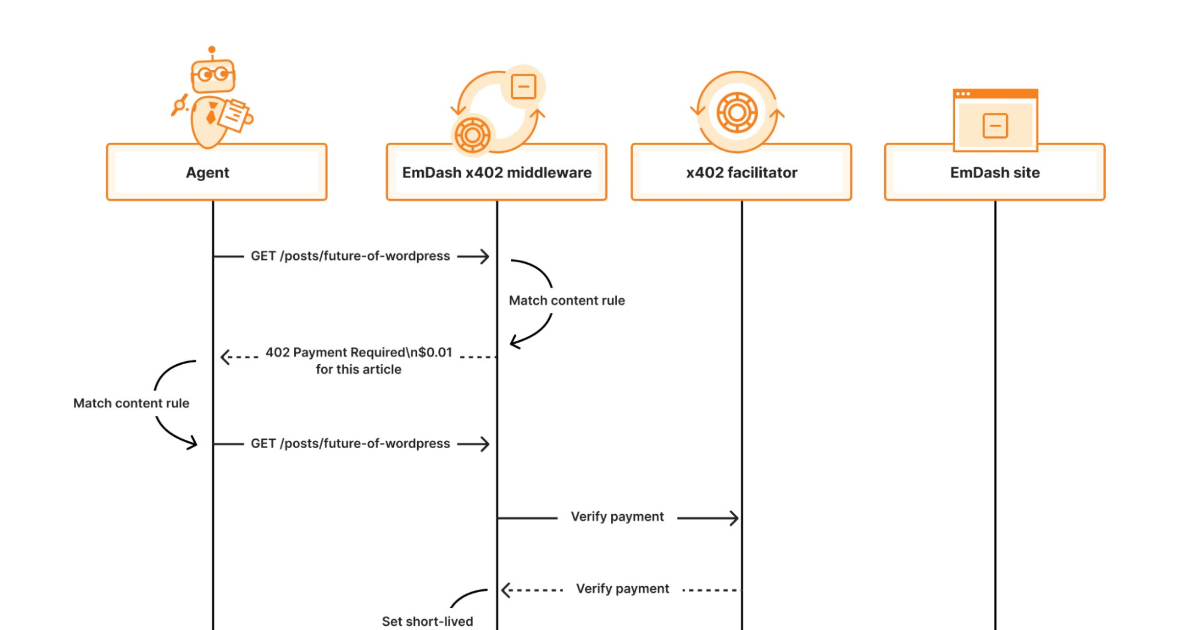
Cloudflare recently announced the preview of EmDash, a new open-source CMS it describes as a β€œspiritual successor to WordPress.” Designed to rebuild the CMS model around a serverless, developer-focused architecture, EmDash includes AI-native features, developer tooling, and migration paths from WordPress, sparking debate across the WordPress and broader CMS community.

By Renato Losio
  •  

AAIF's MCP Dev Summit: Gateways, gRPC, and Observability Signal Protocol Hardening

The MCP Dev Summit North America 2026, held on April 2-3 at the New York Marriott Marquis, gathered about 1,200 attendees. Hosted by the Linux Foundation's Agentic AI Foundation, discussions focused on the Model Context Protocol's evolution and enterprise adoption, particularly by Amazon and Uber, emphasizing security, interoperability, and scaling for production.

By Andrew Hoblitzell
  •  

Google Brings MCP Support to Colab, Enabling Cloud Execution for AI Agents

Google has released the open-source Colab MCP Server, enabling AI agents to directly interact with Google Colab through the Model Context Protocol (MCP). The project is designed to bridge local agent workflows with cloud-based execution, allowing developers to offload compute-intensive or potentially unsafe tasks from their own machines.

By Robert KrzaczyΕ„ski
  •  

Anthropic Designs Three-Agent Harness Supports Long-Running Full-Stack AI Development

Anthropic introduces a three-agent harness separating planning, generation, and evaluation to improve long-running autonomous AI workflows for frontend and full-stack development. Industry commentary highlights structured approaches, iterative evaluation, and practical methods to maintain coherence and quality over multi-hour AI coding sessions.

By Leela Kumili
  •  
❌