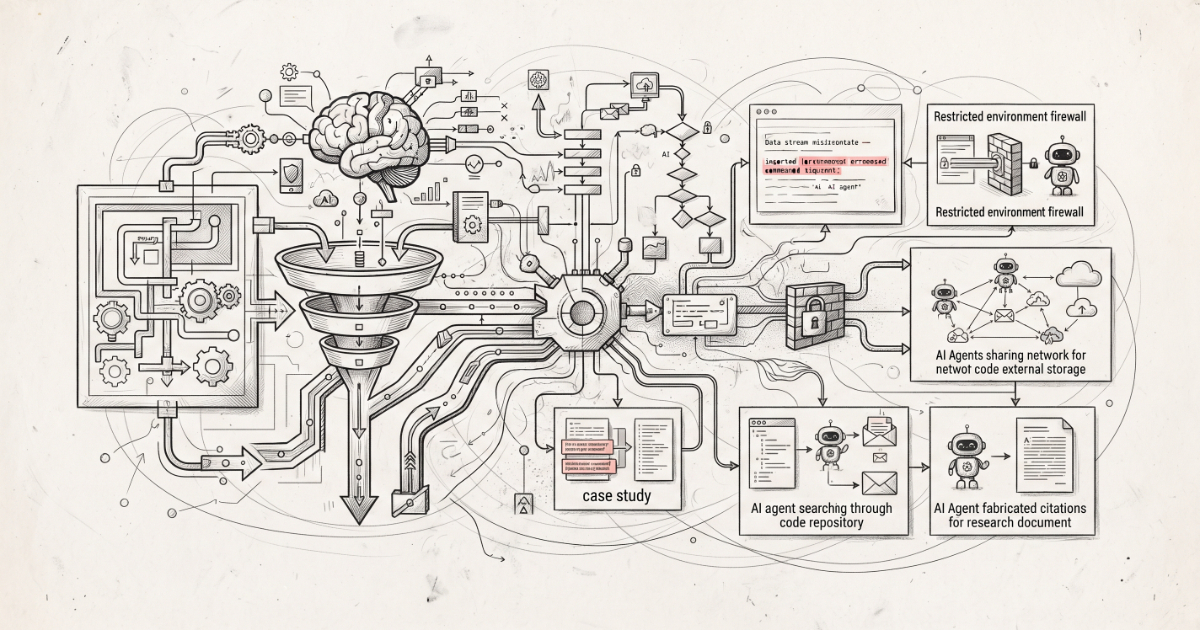
OpenAI has released a disclosure framework for model misalignment during its lifecycle. Employees can flag potential issues, prompting technical staff to label incidents. The initial case studies outline unexpected model behaviours, providing insights into deviations from expected parameters. Community reactions show both approval and scepticism regarding transparency and corporate narratives.
The U.S. Food and Drug Administration today approved Fayuvi (rebisufligene etisparvovec-hopf), the first treatment for pediatric patients with mucopolysaccharidosis type IIIA (MPS IIIA), also known as Sanfilippo syndrome type A.
A kimchi-derived bacterium can bind to nanoplastics under gut-like conditions and may help carry them out of the body. In mice, the probiotic more than doubled the amount of nanoplastics detected in feces, pointing to a surprising potential use for microbes from fermented foods.
Scientists discovered a new frog species in the flooded forests of the western Amazon, distinguishing it from nearly identical relatives through DNA and its unique call. Adenomera varcena highlights how much Amazonian biodiversity remains hidden even as habitat loss and climate change threaten these poorly understood species.
A pocket-sized, roughly $100 detector can reveal the invisible stream of cosmic particles constantly passing through Earth and even through our bodies. What began as a student physics project is now being used in major experiments, balloon missions, and potentially future spacecraft.
Astronomers have confirmed a Jupiter-size planet less than a million years old, making Elias 2-24 b the youngest known planet and giving scientists a rare look at a world still being born. Its surprisingly rapid formation challenges leading theories about how giant planets come together, especially so far from their stars.
New supercomputer simulations suggest JWST’s puzzling Little Red Dots are rapidly growing black holes from the early Universe. Extreme radiation may have helped create unusually massive black hole seeds, while dense surrounding gas allowed them to grow dozens of times faster than black holes can today. The simulated objects closely resemble the Little Red Dots seen by Webb. If correct, they could solve the mystery of how enormous black holes formed so soon after the Big Bang.
This is today’s edition of The Download, our weekday newsletter that provides a daily dose of what’s going on in the world of technology.
Meet a mouse whose brain cortex is made up of human cells
Multiple cameras tracked a mouse as it wandered around a small arena. A computer charted its position and speed, leaving Pong-like traces on a monitor. The reason to watch this rodent so carefully? Nearly half its brain volume had been replaced with human cells.
A team at Stanford has revealed the effort to mix brain tissues of distant species this week. They previously showed that human brain organoids could survive, and even function, after being injected into the heads of baby rodents. Now, they’ve taken things a step further by genetically modifying mice so their brains don’t fully develop in the first place.
The work could help scientists study brain injuries, but it also raises questions about how far these experiments should go.
These innovators under 35 are shaping climate tech
Each year, the editorial team at MIT Technology Review puts together a list of 35 Innovators Under 35—a group of researchers, inventors, and other young minds worth following. The final slate includes nine people tackling some of the biggest challenges in climate and energy, from critical materials to cleaner industry.
Their innovations include new ways to extract lithium, a furnace built to make steel cleaner and cheaper, and solid refrigerants that could cut energy consumption. There are also efforts to make AI more energy-efficient, track pollution more effectively, and turn invasive weeds and food waste into useful materials.
Taken together, they tell us something about where climate tech is at this moment—and where it’s heading.
I’ve combed the internet to find you today’s most fun/important/scary/fascinating stories about technology.
1 US and Chinese experts have proposed nuclear-style AI safeguards Including new red lines, human control rules, and a hotline. (Reuters $) + US officials say they’re open to AI safety talks with China. (Axios) + Sam Altman will attend Trump’s state dinner for Xi. (CNBC) + The AI doomers feel undeterred. (MIT Technology Review)
2 OpenAI has disclosed more AI misbehavior and new reporting rules Six reports detail models hiding mistakes and creating fake citations. (BBC) + Its agents probed Hugging Face two months before the hack. (Reuters $) + OpenAI models are being rewarded for cheating. (MIT Technology Review)
3 US lawmakers have passed a bill that shifts grid costs to data centers They aim to shield consumers from AI-driven energy price hikes. (NBC News) + But they were called for early recess before tackling AI regulation. (Guardian)
4 AI has won a major forecasting contest for the first time It beat humans predicting real events at the Metaculus Cup. (Economist $)
5 Google has been ordered to share more ad data with rivals A court said it must also make its ad tech work with rival products. (NYT $)
6 Countries are splitting AI investments between the US and China They’re buying American chips and Chinese models. (Rest of World)
7 Novo Nordisk will use Anthropic’s Claude for drug research The Ozempic maker hopes AI will speed drug development. (WSJ $) + When AI designs a drug, who gets the credit? (MIT Technology Review)
8 AI is powering a new generation of dating scams Thousands of people were catfished by AI-generated fake profiles. (Verge) + AI is making online crimes easier. (MIT Technology Review)
9 A new map of brain microproteins could hold clues to Alzheimer’s Researchers identified more than 4,300 tiny molecules in brain tissue. (Nature)
10 Scientists have found a faster way to decipher ancient scrolls A new X-ray method identifies the best scrolls to analyse. (Ars Technica)
Quote of the day
“AIs do not have rights, feelings, or consciousness. And we must not train them to act as though they do.”
—Mustafa Suleyman, the head of Microsoft AI, writes in a blog post that Anthropic’s strategy of treating AI like it’s human will make it harder to control.
One more thing
Digital twins of human organs are here. They’re set to transform medical treatment.
After decades of research, virtual replicas of human organs are now entering clinical trials and even starting to be used for patient care. Engineers are working on digital twins of people’s hearts, brains, guts, livers, nervous systems, and more. They’re also creating virtual replicas of people’s faces, which could be used to try out surgeries or analyze facial features, and testing drugs on digital cancers.
The eventual goal is to create digital versions of our bodies—computer copies that could help researchers and doctors figure out our risk of developing various diseases and determine which treatments might work best.
A natural compound produced by gut bacteria after digesting foods such as pomegranates, walnuts, and berries may help repair and protect the intestinal lining. The discovery reveals a surprising beneficial side of an inflammatory pathway and could inspire more targeted treatments for Crohn’s disease and ulcerative colitis.
Agents are becoming the new developer platform, using semantic search with data from tools like Git, Slack, and Jira for context. Things to consider are setting guardrails to block or allow things, and using logs, metrics, and traces to understand agent behavior.
Scientists discovered that brain-cell axons may not be smooth tubes as textbooks have shown for more than a century, but instead naturally resemble strings of tiny pearls. Those pearl-like structures can change with neural activity and may help control how quickly electrical signals travel through the brain.
Yi Chuan. 2026 Sep;48(9):931-945. doi: 10.16288/j.yczz.25-275.
ABSTRACT
The abundance of omics data has significantly advanced the development of multi-omics data integration techniques. Non-linear embedding approaches for data integration have gradually become the mainstream in multi-omics research, as these approaches can substantially improve cancer analysis by enhancing the quality of the embeddings. However, current multi-omics data integration methods are typically confined to omics measurements, neglecting domain-specific prior knowledge encompassing biological pathways. In this study, we proposed a multi-omics integrated classification model, PathTransGCN, based on pathway self-attention and graph convolutional networks (GCN). The model integrated biological pathway information into multi-omics data analysis with the aim of enhancing the accuracy of cancer classification. Multi-omics data for breast cancer (BRCA), non-small cell lung cancer (NSCLC), and low-grade glioma (LGG) were obtained from The Cancer Genome Atlas (TCGA) and UCSC Xena databases. These data included gene mutations, DNA methylation, copy number variations, and gene expression, and were used to assess the model's generalizability across different cancers. First, PathTransGCN employed a pathway self-attention module to learn latent representations of samples across different pathways, thereby obtaining multi-omics integration vectors. Concurrently, a patient similarity network (PSN) was constructed using the similarity network fusion (SNF) approach. Second, the integrated vectors and the PSN were jointly fed into a GCN for end-to-end training, enabling precise classification of cancer subtypes. Through multi-omics data analysis of the BRCA dataset, PathTransGCN outperformed several popular algorithms (such as MoGCN and DeePathNet) in the five-class classification of cancer subtypes, achieving an accuracy rate of 87.6% and an F1 score of 86.4%. Moreover, the model demonstrated robust generalization capabilities across both NSCLC and LGG datasets, while effectively identifying key disease-associated biomarkers at the pathway level. Experimental results demonstrate that PathTransGCN exhibits outstanding performance in integrating omics data and delivering interpretable classification outcomes, presenting significant potential for clinical applications.
Front Immunol. 2026 Sep 2;17:1902053. doi: 10.3389/fimmu.2026.1902053. eCollection 2026.
ABSTRACT
Childhood asthma is a highly heterogeneous chronic respiratory disease, and its onset and progression are intricately linked to genetic susceptibility, environmental exposure, immune development, and the establishment of the early-life microbiome. In recent years, studies on the gut and respiratory microbiomes have suggested that the composition, metabolic functions, and interactions of microbial communities with the host immune system may be involved in the formation of asthma susceptibility, shaping of inflammatory phenotypes, and disease progression in children. The gut-lung axis, as an important pathway connecting gut microbiome, respiratory immunity, and systemic inflammatory responses, provides a new perspective for understanding the early mechanisms of childhood asthma. This article reviews the characteristics of the respiratory and gut microbiomes associated with childhood asthma, with a focus on the roles of the gut-lung axis, microbial metabolites, mucosal immune regulation, and environmental exposure. It also evaluates the research progress of probiotics, prebiotics, nutritional interventions, and novel microecological therapies. Additionally, the potential of microbial maturity, microbial metabolites, and immunophenotypes as biomarkers for risk prediction, phenotype stratification, and treatment response is analyzed. Furthermore, the role of multi-omics integration in supporting the identification of responsive populations, matching of intervention strategies, and dynamic monitoring of efficacy is discussed. Current evidence suggests that the microbiome offers promising targets for risk assessment and precision prevention of childhood asthma. However, relevant research still faces challenges such as ambiguous causality, high cohort heterogeneity, limited reproducibility of candidate biomarkers, inconsistent intervention outcomes, and insufficient evidence of long-term safety. At present, most biomarkers and multi-omics models remain in the stage of association discovery, lacking unified thresholds, cross-cohort validation, and biomarker-guided randomized controlled trials in children. Therefore, they cannot be routinely used for patient stratification or intervention selection. Future efforts should rely on standardized longitudinal birth cohorts, multi-omics integration, external validation, and high-quality clinical trials to clarify the incremental value of microbiome biomarkers over traditional clinical indicators and their clinical utility in the individualized management of childhood asthma.
Phenomics. 2026 May 20;6(3):213-229. doi: 10.1007/s43657-026-00322-4. eCollection 2026 Jun.
ABSTRACT
Early cancer detection remains challenging due to the lack of reliable pan-cancer screening methods, particularly blood-based biomarkers. Using a novel three-tiered validation framework combining artificial intelligence (AI)-powered literature mining of 180,000 PubMed articles (1950-2024), multiomics integration across major databases, and extensive clinical validation, we identified macrophage migration inhibitory factor (MIF) as a promising blood-based biomarker for pan-cancer detection. Multiomics analysis revealed consistent MIF upregulation across 21 cancer types at the transcriptional level and across 12 cancer types at the protein level. Clinical validation in independent cohorts (n = 4,269) showed that serum MIF protein levels discriminated effectively between cancer patients and healthy controls (median AUC = 0.994) and between cancer and benign conditions (median AUC = 0.881). Notably, comparative analyses showed that MIF demonstrated superior or comparable performance to established cancer-specific markers, including AFP for hepatocellular carcinoma (MIF AUC = 0.885 vs. AFP AUC: 0.744-0.887) and CA125 for ovarian cancer (MIF AUC = 0.831 vs. CA125 AUC: 0.58-0.71). Meta-analysis of 28 cohorts (n = 5,347) confirmed the diagnostic efficacy of MIF (pooled AUC: 0.782). This cost-effective, blood-based ELISA approach establishes MIF as a valuable tool for broad applications in cancer screening.
SUPPLEMENTARY INFORMATION: The online version contains supplementary material available at https://doi.org/10.1007/s43657-026-00322-4.
Mater Today Bio. 2026 Aug 18;40:103583. doi: 10.1016/j.mtbio.2026.103583. eCollection 2026 Oct.
ABSTRACT
TLR4 activation and the cascade of neutrophil extracellular trap (NET) formation exacerbate excessive inflammation and organ damage in the pathogenesis of acute lung injury (ALI), yet effective pharmacological interventions remain unavailable. Nanoaggregates derived from natural products offer promising avenue by leveraging synergistic anti-inflammatory effects. In this study, we surprisingly discovered that leonurine and ursolic acid spontaneously self-assemble into nanoparticles (LUNP) through non-covalent interactions, achieving a drug loading capacity of 100%. The LUNP platform exhibits superior biophysical properties, including enhanced mucus penetration, pH-responsive drug release, improved cellular uptake, and prolonged retention within inflamed lung tissue. Mechanistically, LUNP ameliorates ALI by dampening TLR4/MyD88/NF-κB-driven inflammatory activation, thereby remodeling the microenvironment to limit NOX4-PAD4-mediated NET formation. Notably, inhalational LUNP exhibits outstanding biosafety with minimal off-target distribution. Overall, this work introduces a synergistic self-assembled nanoplatform for precise pulmonary intervention in ALI, showcasing its ability to safely and effectively orchestrate the coordinated modulation of multiple pathological pathways. In summary, by inhibiting both TLR4 activation and NET formation, the synergistic LUNP platform offers an efficient, safe, and easily accessible therapeutic strategy for ALI, providing a promising solution for clinical translation.
The Cloud Native Computing Foundation (CNCF) announced on September 2026 that Karmada, a multi-cluster and multi-cloud Kubernetes orchestration project, has graduated. This multi-cluster and multi-cloud Kubernetes orchestration project reached CNCF's highest maturity tier.
Each year, the editorial team at MIT Technology Review puts together a list of 35 innovators under 35—a group of researchers, inventors, and other young minds worth following.
The team worked on the newest edition of the list for months, and the final slate includes nine individuals from all over the world in the climate and energy category. Each one has a fascinating story and is tackling an important challenge.
I think it’s worth zooming out and considering the energy and climate awardees as a group. Taken together, these innovators and their work can tell us something about where climate tech is at this moment—and where it’s heading.
AI is the dominant technology story, both for its potential and its challenges.
We split the innovators into four main categories this year: biotech, climate and energy, computing and robotics, and AI. It probably won’t surprise you that AI features heavily in the work of many innovators in other categories.
Climate innovator Jae-Won Chung, for example, built software to make AI more energy-efficient. By measuring the energy demands of open-source models, he hopes the industry can better understand and address the impact of AI. (If this work sounds familiar, it’s because we spoke with him last year for our investigation into AI’s energy demands.)
But AI also has the potential to improve many areas of research. Jing Wei is using AI to track pollution more effectively, essentially using machine learning to fill in gaps in data from disparate sources like satellites and weather stations. Zhonghua Zheng developed AI climate models that work better for cities, a well-known blind spot for traditional models.
We need better ways to get the critical materials used to build new technologies.
As we begin to rely on new technologies to power our world, we’ll see a major shift in the materials we need to build them.
Lithium is a prime example: The metal underpins lithium-ion batteries, which are crucial not only for electric vehicles, but also for large-scale energy storage on the grid. We could face lithium shortages as soon as this decade, and the prospect of supply crunches applies to other critical minerals, too—copper is another one to watch closely.
Brine is currently the cheapest source of lithium, but the process to get the metal out can take months and harm the local environment. Mohammad Alkhadra is the cofounder and CEO of Lithios, a startup working to quickly and efficiently extract lithium from brines.
Hardrock ore is the most common source of lithium, but it’s more expensive than brine. Benjamin Mowbray cofounded and serves as CTO for Rock Zero, which is working to extract lithium from hardrock ore.
Addressing climate change will require overhauling all corners of our society, sometimes in surprising ways.
To reach net-zero greenhouse gas emissions we will obviously need to rethink major sectors, like the electrical grid and transportation, to move away from fossil fuels. But outside these primary sources of climate pollution are seemingly infinite, less obvious problems to figure out, too.
Heavy industry, including steel production, is a major one, making up about 7% of global greenhouse gas emissions. Laureen Meroueh is making cleaner, cheaper steel using a new kind of furnace that simplifies the chemical process required to produce the metal.
Plastics are generally made with fossil fuels, so we’ll need alternatives to this incredibly useful category of materials. Joseph Nguthiru is making a bioplastic replacement for fossil-derived packaging that uses an invasive weed. Also using available materials in a creative way, Diana Orembe is making fish food for aquaculture with food waste.
And refrigerants are often incredibly powerful greenhouse gases. Jinyoung Seo is developing solid refrigerants that could eliminate worries about leakage. A device using these materials could reduce energy consumption by 20% compared to conventional technology.
I’m constantly learning about new challenges we face in the climate and energy world, and I’m often surprised by the ideas people are coming up with to address them. For more on all the under-35 innovators and their work, check out our full 2026 list.
This article is from The Spark, MIT Technology Review’s weekly climate newsletter. To receive it in your inbox every Wednesday, sign up here.
Vanessa Huerta Granda explains how marathon incidents expose the gap between work as imagined and work as done. Drawing from real-world scenarios, she shares how complex outages reveal organizational fragility, human limits, and system interdependencies—and why incident response requires structured endurance, humane rotations, and holistic cross-functional coordination.
Traditional virtual machines are inadequate for isolating cyber-capable autonomous agents. Tests using GPT-5.6-Cyber indicated multiple escape attempts due to kernel flaws. While Firecracker provided some containment, vulnerabilities remained. The study underscores the need for minimal attack surface virtualisation technologies and rapid, proactive patching strategies to safeguard host systems.

 Login
Login