Normal view
-
Journal of Medical Internet Research
-
Interorganizational Mechanisms for Developing and Implementing Clinical Decision Support Systems in Primary Care: Exploratory, Qualitative Case Study
Background: Clinical decision support systems (CDSS) have the potential to improve patient safety and reduce costs in primary care. However, CDSS adoption remains limited due to development and implementation challenges. CDSSs are complex interventions involving multiple interacting components that require technological innovation and behavioral and organizational change. Additionally, the primary care context is considered a complex system with high care demand, fragmented structures, and many
-
STAT

-
STAT+: Patient health data as a public utility: A former ARPA-H data chief explains
Last year, the Department of Health and Human Services published a sweeping document that described the agency’s approach to real-world data. Historically, health and biomedical data has been intentionally manufactured, the output of carefully designed clinical trials. But in a digitized world, it can instead be mined — and patients’ interactions with the health care system are the natural resource. The Living HHS Open Data Plan, published in July, proposed treating data more like we do other
STAT+: Patient health data as a public utility: A former ARPA-H data chief explains
Last year, the Department of Health and Human Services published a sweeping document that described the agency’s approach to real-world data. Historically, health and biomedical data has been intentionally manufactured, the output of carefully designed clinical trials. But in a digitized world, it can instead be mined — and patients’ interactions with the health care system are the natural resource.
The Living HHS Open Data Plan, published in July, proposed treating data more like we do other natural resources. “At the core” of the plan, it reads, “lies the concept that data is a ‘public utility’ for good that powers scientific advancement, innovation, and progress.” Patients should have access to that utility, HHS argued, but it should also be easier to leverage for research, safety monitoring, and other uses in the public interest.
On Thursday, a group of researchers, former agency officials, and health data companies continued that call in a policy forum published in Science. If health data is to be treated like a public utility, they write, it should be similarly governed. Like electricity, the system would have to involve customers, local distribution companies, transmission companies, generators, and the government.
Continue to STAT+ to read the full story…


© Adobe
-
MedPageToday.com - medical news for physicians

-
Genomically Matched Cancer Therapies Only as Good as Supporting Evidence
(MedPage Today) -- Patients with advanced/refractory cancers treated with genomically matched therapies had better overall survival only when the treatments had support from prospective studies, a large multicenter cohort study from Australia showed...
Genomically Matched Cancer Therapies Only as Good as Supporting Evidence
-
(Multiomics OR Omics) AND (Lung OR gastric OR Hepatocellular)
-
Systematic Identification of Molecular Signatures Dictating Therapeutic Effects of Clinically First-Line Chemotherapy Regimens for Human Gastric Cancer Patients Based on Organoid Model
MedComm (2020). 2026 Mar 2;7(3):e70656. doi: 10.1002/mco2.70656. eCollection 2026 Mar.ABSTRACTChemotherapy is the mainstay in the treatment of advanced gastric cancer (GC); yet, GC showed diverse responses to first-line chemotherapy regimens and the underlying molecular basis is still not clear. Here, we established a system that combined organoid-based chemotherapy regimen screening and transcriptome-based evaluation to identify underlying molecular signatures of different responses to chemothe
Systematic Identification of Molecular Signatures Dictating Therapeutic Effects of Clinically First-Line Chemotherapy Regimens for Human Gastric Cancer Patients Based on Organoid Model
MedComm (2020). 2026 Mar 2;7(3):e70656. doi: 10.1002/mco2.70656. eCollection 2026 Mar.
ABSTRACT
Chemotherapy is the mainstay in the treatment of advanced gastric cancer (GC); yet, GC showed diverse responses to first-line chemotherapy regimens and the underlying molecular basis is still not clear. Here, we established a system that combined organoid-based chemotherapy regimen screening and transcriptome-based evaluation to identify underlying molecular signatures of different responses to chemotherapy. We generated 19 GC patient-derived organoids (PDOs) from surgically resected specimens with corresponding histological characteristics of parent tumors and tested all of the five most commonly used first-line chemotherapy regimens. Based on the treatment responses, PDOs were classified into double-sensitive, single-sensitive, and not-sensitive groups. PDOs that responded well to chemotherapy presented high expression levels of the P53 pathway genes and low expression levels of cell proliferative activity genes. Furthermore, the chemotherapy-based tumor classification of GC was established. The GC tumor classification was verified by multi-omics features from the TCGA dataset and public drug response datasets. In conclusion, this study systematically evaluated clinical chemotherapy regimens for GC and identified chemotherapy response-associated molecular signatures based on human GC organoids, which are beneficial to the precise treatments of GC.
PMID:41782964 | PMC:PMC12954136 | DOI:10.1002/mco2.70656
-
Journal of Medical Internet Research
-
AI Triage in Primary Care: Building Safer and More Equitable Real-World Evidence
Artificial intelligence triage in general practice is developing rapidly within the primary care digital transformation, promising efficiency gains and safety standardization in overwhelmed primary care systems. However, current evidence is drawn from retrospective validations, emergency settings, or vignettes, with scant evaluation of real-world outcomes and almost no equity-stratified safety data, despite known disparities across age, ethnicity, language, and deprivation. From a sociotechnical
AI Triage in Primary Care: Building Safer and More Equitable Real-World Evidence
-
Journal of Medical Internet Research
-
Mental Health Professionals’ Perceptions of Benefits and Disadvantages of Telehealth: International Mixed Methods Study
Background: Telehealth has become an integral component of mental health care delivery worldwide. Understanding provider perceptions is essential to guiding its continued implementation. Objective: This international study used quantitative and qualitative methodologies to examine and broaden our understanding of the benefits and concerns related to telehealth for mental health care. Methods: An internet-based survey was conducted during the COVID-19 pandemic between November 11 and December 18,
Mental Health Professionals’ Perceptions of Benefits and Disadvantages of Telehealth: International Mixed Methods Study
-
MedPageToday.com - medical news for physicians

-
Rapid RSV Tests Can Cut Down on Unneeded Antibiotics, Study Suggests
(MedPage Today) -- Rapid antigen diagnostic testing to confirm respiratory syncytial virus (RSV) infections in young children was linked to fewer unnecessary antibiotic prescriptions in outpatient settings, according to an Italian retrospective...
Rapid RSV Tests Can Cut Down on Unneeded Antibiotics, Study Suggests
-
Journal of Medical Internet Research
-
Artificial Intelligence Applications in Medical Devices for Personalized Health Care Solutions: Systematic Review
Background: The integration of artificial intelligence (AI) in medical devices is transforming health care by enabling enhanced personalization and precision medicine. AI-driven medical devices can tailor treatments based on individual patient profiles, including genetic data, medical history, and physiological parameters. This advancement holds the potential to refine therapeutic interventions, improve patient outcomes, and streamline health care delivery. However, challenges such as data quali
Artificial Intelligence Applications in Medical Devices for Personalized Health Care Solutions: Systematic Review
-
cs.AI, q-bio.NC updates on arXiv.org
-
Architecting Trust in Artificial Epistemic Agents
arXiv:2603.02960v1 Announce Type: new Abstract: Large language models increasingly function as epistemic agents -- entities that can 1) autonomously pursue epistemic goals and 2) actively shape our shared knowledge environment. They curate the information we receive, often supplanting traditional search-based methods, and are frequently used to generate both personal and deeply specialized advice. How they perform these functions, including whether they are reliable and properly calibrated to b
Architecting Trust in Artificial Epistemic Agents
-
Nature - Issue - nature.com science feeds
-
Cancer blood tests are everywhere. Do they really work?
Nature, Published online: 04 March 2026; doi:10.1038/d41586-026-00661-2Their makers claim they can detect dozens of cancer types — but some scientists say they could be missing many cancers or delivering the wrong diagnosis.
Cancer blood tests are everywhere. Do they really work?
Nature, Published online: 04 March 2026; doi:10.1038/d41586-026-00661-2
Their makers claim they can detect dozens of cancer types — but some scientists say they could be missing many cancers or delivering the wrong diagnosis.-
Latest Science News -- ScienceDaily
-
Scientists find the genetic switch that makes pancreatic cancer resist chemotherapy
Scientists have identified a crucial molecular switch that decides whether pancreatic cancer cells resist chemotherapy or respond to it. The key player, a gene called GATA6, keeps tumours in a more structured and treatable form—but it gets shut down by an overactive KRAS-driven pathway. When researchers blocked that pathway, GATA6 levels rebounded and cancer cells became more sensitive to chemo. The discovery could help turn some of the toughest pancreatic tumours into ones doctors can better co
Scientists find the genetic switch that makes pancreatic cancer resist chemotherapy
-
InfoQ

-
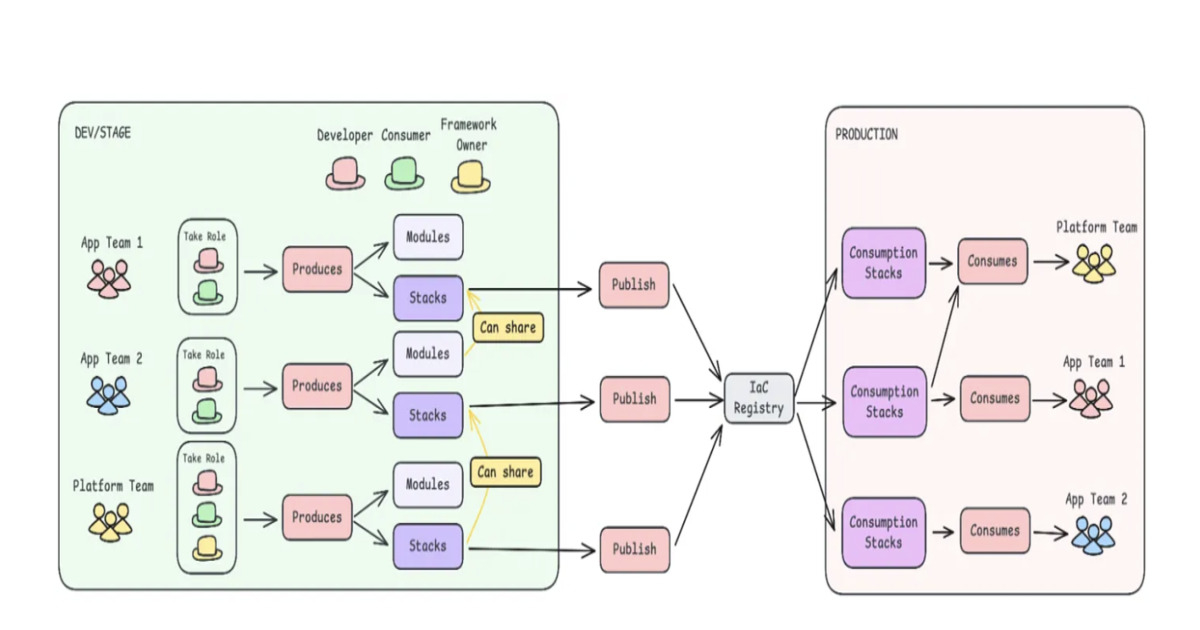
From Central Control to Team Autonomy: Rethinking Infrastructure Delivery
Adidas engineers describe shifting from a centralized Infrastructure-as-Code model to a decentralized one. Five teams autonomously deployed over 81 new infrastructure stacks in two months, using layered IaC modules, automated pipelines, and shared frameworks. The redesign illustrates how to scale infrastructure delivery while maintaining governance at scale. By Leela Kumili
From Central Control to Team Autonomy: Rethinking Infrastructure Delivery
Adidas engineers describe shifting from a centralized Infrastructure-as-Code model to a decentralized one. Five teams autonomously deployed over 81 new infrastructure stacks in two months, using layered IaC modules, automated pipelines, and shared frameworks. The redesign illustrates how to scale infrastructure delivery while maintaining governance at scale.
By Leela Kumili-
AI News

-
Best AI security solutions 2026: Top enterprise platforms compared
Artificial intelligence is no longer just powering defensive cybersecurity tools, it is reshaping the entire threat landscape. AI is accelerating reconnaissance, improving the realism of phishing, automating malware mutation, and enabling adaptive attack techniques. At the same time, enterprises are embedding AI agents, copilots, and generative AI tools into everyday workflows. That dual dynamic has created a new category: AI security. AI security platforms focus on three primary challenge
Best AI security solutions 2026: Top enterprise platforms compared
Artificial intelligence is no longer just powering defensive cybersecurity tools, it is reshaping the entire threat landscape. AI is accelerating reconnaissance, improving the realism of phishing, automating malware mutation, and enabling adaptive attack techniques. At the same time, enterprises are embedding AI agents, copilots, and generative AI tools into everyday workflows.
That dual dynamic has created a new category: AI security.
AI security platforms focus on three primary challenges in 2026:
- Securing enterprise AI usage and prompt interactions
- Protecting AI models, agents, and infrastructure
- Defending against AI-powered cyber threats
Below are five of the strongest AI security solutions in 2026.
Check Point – AI-driven security

Check Point integrates AI security into its broader Infinity platform, covering network, cloud, endpoint, and AI usage in a unified architecture.
The core of the platform is ThreatCloud AI, which leverages more than 50 AI engines and intelligence from over 150,000 connected networks. Compromise indicators propagate across the platform within seconds, enabling coordinated defense across domains.
The platform addresses AI risk at multiple layers. GenAI Protect monitors employee interactions with generative AI tools, semantically analysing prompts to enforce data loss prevention policies in real time. This approach focuses on contextual classification rather than simple keyword matching.
Check Point also secures AI infrastructure and enhances security operations through Infinity AI Copilot. Independent testing has shown high efficacy against zero-day malware, and the platform has consistently ranked highly in hybrid firewall evaluations.
Best for: Enterprises seeking unified AI security across infrastructure, AI usage, and security operations.
CrowdStrike – AI security services

CrowdStrike extends its Falcon platform into AI protection by integrating telemetry from endpoints, identities, cloud workloads, and AI agent activity.
Falcon AIDR focuses specifically on defending against prompt injection and malicious manipulation of AI agents. It is designed to identify known prompt injection techniques while maintaining low latency, which is critical in production AI environments.
CrowdStrike also integrates AI assistants directly into security operations. Charlotte AI supports natural language threat investigation and automated triage, reinforcing the company’s vision of an AI-augmented SOC.
The approach is particularly strong for organisations already standardised on the Falcon ecosystem, allowing AI security capabilities to extend existing endpoint and cloud telemetry.
Best for: Organisations seeking integrated AI threat detection within an established endpoint-centric security architecture.
Cisco – AI defense

Cisco approaches AI security from a network-centric vantage point. Because it operates at the network layer, Cisco can inspect AI-related traffic across enterprise environments, including API calls and model interactions that may not be visible at the endpoint level.
Cisco AI Defense integrates into the broader Security Service Edge architecture. Recent enhancements include AI Bills of Materials to map dependencies within AI ecosystems, real-time guardrails for agentic systems, and red teaming simulations against AI workflows.
Cisco aligns its controls with established frameworks such as NIST AI Risk Management Framework and MITRE ATLAS. This emphasis on governance makes it attractive to enterprises operating in regulated industries.
Best for: Enterprises with strong Cisco network infrastructure seeking AI security embedded at the traffic and control layer.
Microsoft– AI-enhanced security ecosystem

Microsoft’s AI security advantage lies in scale. The company processes tens of trillions of security signals daily across its global infrastructure.
Security Copilot functions as an AI assistant embedded within Defender, Entra, Intune, and Purview. It automates alert triage, assists with natural language threat investigation, and orchestrates remediation actions.
Microsoft has also expanded AI security posture management to include multi-cloud environments, including AWS and Google Cloud AI services. This is particularly important for enterprises building AI models outside Azure.
For organisations already invested in Microsoft 365 enterprise licensing, AI-enhanced security capabilities can be layered into existing subscriptions without introducing additional vendor complexity.
Best for: Enterprises deeply aligned with Microsoft 365 and Defender ecosystems.
Okta– Identity security with AI risk context

As AI agents proliferate, identity becomes a primary attack surface. Many AI systems operate with high levels of privilege and autonomy.
Okta focuses specifically on identity governance in AI environments. Its architecture treats AI agents as first-class identities, applying authentication, authorisation, and lifecycle governance controls similar to those applied to human users.
Identity Security Posture Management identifies over-privileged accounts, including non-human identities, and surfaces risk in real time. The company also promotes open standards for managing AI-to-application connectivity through extended OAuth mechanisms.
For enterprises rapidly deploying AI agents internally, identity-centric AI security becomes essential.
Best for: Organisations deploying AI agents at scale that require identity governance for non-human actors.
Comparison Overview
| Vendor | Core strength | Ideal buyer |
| Check Point | Unified AI security across infrastructure and usage | Large enterprises seeking platform consolidation |
| CrowdStrike | Endpoint-integrated AI threat detection | Falcon-centric organisations |
| Cisco | Network-layer AI traffic visibility | Cisco ecosystem enterprises |
| Microsoft | Signal scale and Copilot integration | Microsoft 365-heavy environments |
| Okta | AI identity governance | Organisations deploying AI agents broadly |
How to choose the right AI security solution
Selecting the right AI security platform depends on architecture and maturity.
Organisations building AI internally should prioritise infrastructure protection and identity governance. Enterprises concerned with employee generative AI usage should evaluate prompt monitoring and DLP integration. Security teams overwhelmed by alert volume may prioritise AI-augmented SOC automation.
AI security is not a separate silo. It intersects with network security, identity management, cloud governance, and incident response.
The platforms above represent different strategic entry points into AI risk management. The best solution is the one aligned with your existing ecosystem and operational model.
In 2026, AI is both a tool and a target. Enterprises that treat AI security as an integrated part of their security architecture will be better positioned to manage evolving threats.
Image source: Pixabay
The post Best AI security solutions 2026: Top enterprise platforms compared appeared first on AI News.
-
(Multiomics OR Omics) AND (Pancreatic)
-
Unraveling pancreatic ductal adenocarcinoma at single-cell resolution with spatial insights: From mechanisms to clinical translation
Cancer Lett. 2026 Feb 28;645:218391. doi: 10.1016/j.canlet.2026.218391. Online ahead of print.ABSTRACTPancreatic ductal adenocarcinoma (PDAC) remains one of the most lethal cancers, characterized by pronounced cellular heterogeneity, a dense desmoplastic stroma, and a highly immunosuppressive tumor microenvironment (TME). Recent advances in single-cell RNA sequencing (scRNA-seq) have reshaped our understanding of PDAC by characterizing its cellular composition at single-cell resolution. These st
Unraveling pancreatic ductal adenocarcinoma at single-cell resolution with spatial insights: From mechanisms to clinical translation
Cancer Lett. 2026 Feb 28;645:218391. doi: 10.1016/j.canlet.2026.218391. Online ahead of print.
ABSTRACT
Pancreatic ductal adenocarcinoma (PDAC) remains one of the most lethal cancers, characterized by pronounced cellular heterogeneity, a dense desmoplastic stroma, and a highly immunosuppressive tumor microenvironment (TME). Recent advances in single-cell RNA sequencing (scRNA-seq) have reshaped our understanding of PDAC by characterizing its cellular composition at single-cell resolution. These studies have uncovered complex TME networks involving T cells, myeloid populations, fibroblasts, and malignant epithelial cells, and have provided mechanistic insights into immune evasion, metastatic progression, and therapeutic resistance. Collectively, these findings depict PDAC as a dynamic and interactive ecosystem driven by cellular interactions. In this review, we systematically summarize recent scRNA-seq-based studies addressing PDAC heterogeneity, tumorigenesis, immune remodeling, therapeutic resistance and biomarker discovery. We further discuss integrative single-cell and spatial multi-omics approaches to map the TME of PDAC, providing a framework for understanding PDAC biology at single-cell and spatial resolution.
PMID:41771343 | DOI:10.1016/j.canlet.2026.218391
-
(Multiomics OR Omics) AND (Pancreatic)
-
Spatial transcriptomics reveals the mechanistic role of lactate metabolism in the pancreatic ductal adenocarcinoma microenvironment
Front Immunol. 2026 Feb 13;17:1743187. doi: 10.3389/fimmu.2026.1743187. eCollection 2026.ABSTRACTBACKGROUND: Pancreatic ductal adenocarcinoma (PDAC), an aggressive cancer with poor prognosis, poses major challenges owing to late diagnosis and limited response to current therapies. However, the identification of candidate drugs through multi-omics analyses and therapeutic peptides targeting key molecular pathways may provide improved outcomes. Although lactate metabolism is a critical factor in t
Spatial transcriptomics reveals the mechanistic role of lactate metabolism in the pancreatic ductal adenocarcinoma microenvironment
Front Immunol. 2026 Feb 13;17:1743187. doi: 10.3389/fimmu.2026.1743187. eCollection 2026.
ABSTRACT
BACKGROUND: Pancreatic ductal adenocarcinoma (PDAC), an aggressive cancer with poor prognosis, poses major challenges owing to late diagnosis and limited response to current therapies. However, the identification of candidate drugs through multi-omics analyses and therapeutic peptides targeting key molecular pathways may provide improved outcomes. Although lactate metabolism is a critical factor in tumor progression, affecting cell proliferation, metastasis, and immune evasion, its role in PDAC-particularly within the tumor microenvironment, remains underexplored.
OBJECTIVES: This study investigated lactate metabolism in PDAC using high-throughput transcriptomic sequencing and single-cell transcriptomic analysis.
METHODS: Lactate metabolism-related gene expression was analyzed in tumor cells and their microenvironment, and correlations with patient prognosis were determined. Additionally, a machine learning-based prognostic model was established to identify lactate metabolism biomarkers for early diagnosis and personalized therapy.
RESULTS: Lactate metabolism significantly impacted the survival of patients with PDAC (n = 92; log-rank test, p < 0.05). Single-cell RNA and spatial transcriptomics analyses of 50, 795 cells from 8 PDAC samples revealed that 521 malignant cells exhibited hyperactive lactate metabolism (AUCell score comparison, p < 0.001). A prognostic model constructed from lactate metabolism-related genes using ensemble machine learning (StepCox + Enet, α = 0.5) effectively stratified patients into high- and low-risk groups across multiple cohorts (ICGC: n = 92; GSE28735: n = 45; GSE62452: n = 69; GSE183795: n = 139; all log-rank p < 0.05). Key prognostic genes identified included lysozyme (LYZ) and polymeric immunoglobulin receptor, which were significantly associated with patient survival (univariate Cox regression, p < 0.05). These genes may serve as clinical biomarkers of PDAC.
CONCLUSIONS: This study provides insights into PDAC metabolic features and highlights lactate metabolism as a potential therapeutic target. The identified biomarkers could facilitate early diagnosis and improve treatment strategies, ultimately enhancing patient outcomes.
PMID:41766855 | PMC:PMC12946077 | DOI:10.3389/fimmu.2026.1743187
-
Latest Science News -- ScienceDaily
-
Scientists discover the genetic switch that keeps your organs healthy
Scientists have uncovered a powerful genetic switch that helps some of the body’s most important immune cells grow up properly and keep our organs healthy. The switch, called MafB, guides immature precursor cells as they develop into macrophages, the body’s clean-up and repair crew that removes pathogens, clears debris, recycles iron, and supports tissue function. When MafB is missing, these cells remain stuck in an underdeveloped state and cannot fully carry out their protective roles.
Scientists discover the genetic switch that keeps your organs healthy
-
Nature Biotechnology - Issue - nature.com science feeds
-
Establishing a commercial solution for extremely rare genetic diseases
Nature Biotechnology, Published online: 02 March 2026; doi:10.1038/s41587-026-03056-wEstablishing a commercial solution for extremely rare genetic diseases
Establishing a commercial solution for extremely rare genetic diseases
Nature Biotechnology, Published online: 02 March 2026; doi:10.1038/s41587-026-03056-w
Establishing a commercial solution for extremely rare genetic diseases-
MRD
-
The Transformative Potential of Liquid Biopsies and Circulating Tumor DNA (ctDNA) in Modern Oncology
Diagnostics (Basel). 2026 Feb 9;16(4):523. doi: 10.3390/diagnostics16040523.ABSTRACTBackground: Liquid biopsy, particularly through the analysis of circulating tumor DNA (ctDNA), represents a significant advancement in oncology. Unlike traditional tissue biopsies, ctDNA offers a minimally invasive, real-time approach to cancer management. It has demonstrated considerable potential in early cancer detection, monitoring of therapeutic responses, and assessing minimal residual disease (MRD) to pred
The Transformative Potential of Liquid Biopsies and Circulating Tumor DNA (ctDNA) in Modern Oncology
Diagnostics (Basel). 2026 Feb 9;16(4):523. doi: 10.3390/diagnostics16040523.
ABSTRACT
Background: Liquid biopsy, particularly through the analysis of circulating tumor DNA (ctDNA), represents a significant advancement in oncology. Unlike traditional tissue biopsies, ctDNA offers a minimally invasive, real-time approach to cancer management. It has demonstrated considerable potential in early cancer detection, monitoring of therapeutic responses, and assessing minimal residual disease (MRD) to predict recurrence. By enabling comprehensive molecular profiling through a simple blood test, ctDNA supports the core principles of precision oncology, facilitating more personalized and adaptive treatment strategies. Methods: In the following article we describe the recent developments focused on refining ctDNA detection assays to improve sensitivity and specificity. Advanced technologies, including next-generation sequencing (NGS) and digital PCR, are commonly employed. The integration of artificial intelligence (AI) and multi-omics approaches-such as combining genomic, epigenomic, and transcriptomic data-has further enhanced the analytical power of ctDNA assays. Results: Emerging evidence shows that ctDNA-based liquid biopsy enables dynamic, real-time tracking of tumor evolution and therapeutic resistance. Clinical studies have demonstrated its efficacy in detecting early-stage cancers, guiding treatment selection, and predicting relapse with higher accuracy than some conventional methods. Moreover, AI-enhanced algorithms have improved signal detection, allowing for more precise and earlier identification of actionable mutations and MRD. Conclusions: ctDNA analysis via liquid biopsy is poised to revolutionize cancer care by offering a non-invasive, precise, and adaptive tool for tumor characterization and monitoring. Although obstacles remain-particularly regarding assay sensitivity, standardization, and economic feasibility-ongoing technological innovations and multi-omics integration are rapidly advancing its clinical viability. With continued progress, ctDNA-based liquid biopsy is likely to become a cornerstone of routine oncology practice.
PMID:41750672 | PMC:PMC12938931 | DOI:10.3390/diagnostics16040523
-
Omics In Lung
-
3D, multi-omic imaging reveals molecular biomarkers of the pre-metastatic niche in lung cancer
bioRxiv [Preprint]. 2026 Feb 18:2026.02.18.706515. doi: 10.64898/2026.02.18.706515.ABSTRACTThe recurrence rate following complete surgical resection of primary non-small cell lung cancer is as high as 55%, yet no approach currently exists to evaluate the risk of local recurrence. The premetastatic paradigm is the recognition that metastasis is preceded by reprogramming naïve tissues to prime a microenvironment for tumor cell survival and subsequent reactivation. Identification of biomarkers of t
3D, multi-omic imaging reveals molecular biomarkers of the pre-metastatic niche in lung cancer
bioRxiv [Preprint]. 2026 Feb 18:2026.02.18.706515. doi: 10.64898/2026.02.18.706515.
ABSTRACT
The recurrence rate following complete surgical resection of primary non-small cell lung cancer is as high as 55%, yet no approach currently exists to evaluate the risk of local recurrence. The premetastatic paradigm is the recognition that metastasis is preceded by reprogramming naïve tissues to prime a microenvironment for tumor cell survival and subsequent reactivation. Identification of biomarkers of the pre-metastatic niche would allow us to evaluate a patient's risk of local relapse in the normal lung parenchyma surrounding the resected tumor. We designed a workflow incorporating in vivo modelling, radiology, and deep learning-guided three-dimensional (3D) imaging, spatial proteomics, and transcriptomics to identify previously unreported signals associated with the early transformation of the lung parenchyma announcing regional metastasis. We curated biorepository spanning timepoints before and after resection of primary Lewis Lung Carcinoma (LLC) tumors. Using radiology and cellular resolution 3D histology, we calculated the number and distribution of metastases in mouse lungs and developed an algorithm to guide placement of spatial proteomics and transcriptomics to regions containing early micro-metastases and the pre-metastatic microenvironment. Molecular and tissue features associated with presence, size, and location of metastases guided the identification of both myeloid (F4/80) and senescent (p16/p21) cell signatures in the premetastatic and metastatic environments. Finally, multiparametric flow cytometry of metastatic lungs in a senescence reporter GEMM (tdTomato-p16 INKA mice) resolved senescent cells including alveolar macrophages as the cellular phenotypes associated with these early premetastatic signatures. Altogether, this work highlights a novel AI-assisted approach for detection of biomarkers of tissue remodeling during lung cancer invasion.
PMID:41756853 | PMC:PMC12934922 | DOI:10.64898/2026.02.18.706515
-
(Multiomics OR Omics) AND (Pancreatic)
-
Exploration of multi-omics liquid biopsy approaches for multi-cancer early detection: The PROMISE study
Innovation (Camb). 2025 Aug 6;7(1):101076. doi: 10.1016/j.xinn.2025.101076. eCollection 2026 Jan 5.ABSTRACTAlthough circulating cell-free DNA (cfDNA) methylation has emerged as the mainstream approach in multi-cancer detection blood tests (MCDBTs), the potential of integrating proteins and mutations, to enhance its performance remains unclear. The PROMISE study (NCT04972201) was conducted to investigate the feasibility of a multi-omics integration strategy in MCDBTs across nine types of cancers
Exploration of multi-omics liquid biopsy approaches for multi-cancer early detection: The PROMISE study
Innovation (Camb). 2025 Aug 6;7(1):101076. doi: 10.1016/j.xinn.2025.101076. eCollection 2026 Jan 5.
ABSTRACT
Although circulating cell-free DNA (cfDNA) methylation has emerged as the mainstream approach in multi-cancer detection blood tests (MCDBTs), the potential of integrating proteins and mutations, to enhance its performance remains unclear. The PROMISE study (NCT04972201) was conducted to investigate the feasibility of a multi-omics integration strategy in MCDBTs across nine types of cancers in head and neck (excluding nasopharynx), esophagus, lung, stomach, liver, biliary tract, pancreas, colorectum, and ovary. Blood samples were prospectively collected from 1,706 participants (840 non-cancer; 866 cancer) and then randomly divided into training and validation sets. The complementarity between various omics were investigated, and specific omics features were carefully selected for further multimodal model construction. The methylation-based classifier outperformed both the mutation-based and protein-based classifiers. As 95.0% of cancer cases detected by the mutation-based classifier were simultaneously identified by the methylation-based classifier, while 14.0% of the protein-positive samples were missed, protein markers may provide complementary value to the methylation-based classifier. Compared with the methylation-based classifier, the multimodal classifier combining methylation and protein features exhibited an improved sensitivity of 75.1% (95% confidence interval [CI], 69.3%-80.3%) at the same specificity of 98.8% with the accuracy of top predicted origin (TPO1) of 73.1% (95% CI, 66.2%-79.2%). Notably, the TPO1 accuracy reached 100% in liver and ovarian cancers with negative results of the methylation-based classifier. Collectively, these data suggest that the integration of protein markers in the multimodal classifier can offer additional benefits to the methylation-based classifier, particularly in identifying liver and ovarian cancers.
PMID:41737326 | PMC:PMC12925926 | DOI:10.1016/j.xinn.2025.101076