❌

Normal view

  • βœ‡InfoQ
  • Dropbox Evolves Riviera Content Processing Platform to Support AI Workloads Leela Kumili
    Dropbox has evolved Riviera from a file preview service into a universal content processing platform supporting more than 300 file formats and over 100 transformation capabilities. Processing hundreds of thousands of transformations per second, Riviera now supports Search, Replay, Sign, and Dash, while its APIs enable asynchronous content extraction for AI and RAG workflows. By Leela Kumili
     

Dropbox Evolves Riviera Content Processing Platform to Support AI Workloads

16 September 2026 at 22:42

Dropbox has evolved Riviera from a file preview service into a universal content processing platform supporting more than 300 file formats and over 100 transformation capabilities. Processing hundreds of thousands of transformations per second, Riviera now supports Search, Replay, Sign, and Dash, while its APIs enable asynchronous content extraction for AI and RAG workflows.

By Leela Kumili
  • βœ‡InfoQ
  • Agoda Replaces 72-Shard SQL Server Price Cache with DragonflyDB Leela Kumili
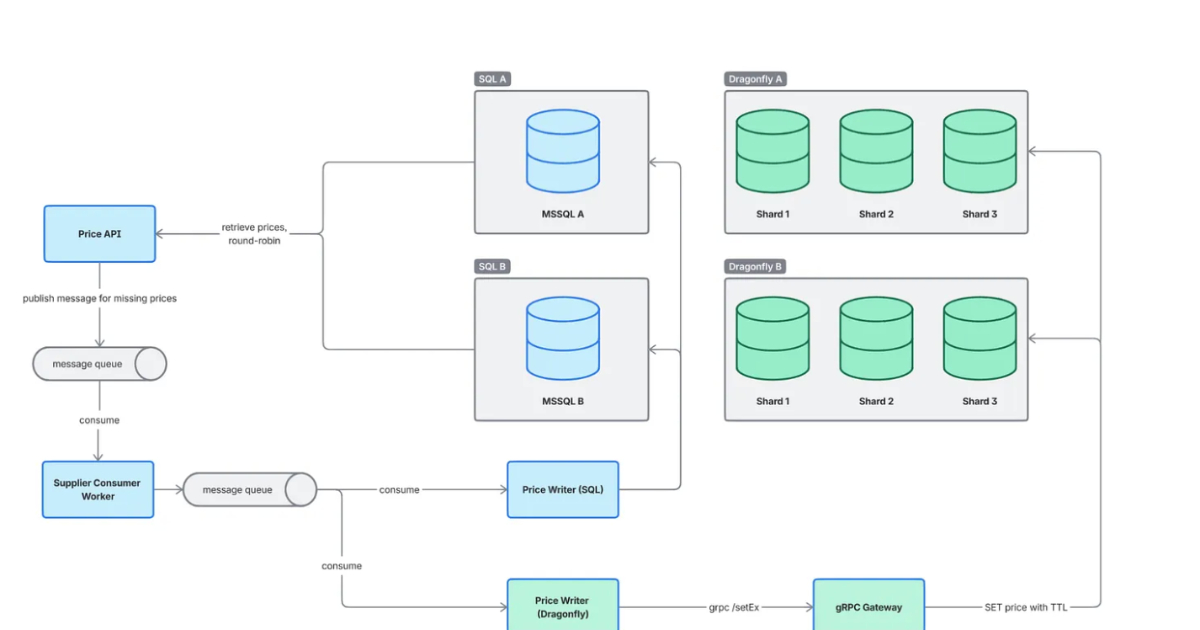
    Agoda migrated its 1.5 TB hotel Price Cache from 72 SQL Server shards to DragonflyDB to handle growing read and write volumes. The migration used staged dual reads, parity validation, gradual traffic shifting, and decentralized failover detection. Agoda reports an approximately eightfold reduction in P99 read latency, with two DragonflyDB clusters providing high availability. By Leela Kumili
     

Agoda Replaces 72-Shard SQL Server Price Cache with DragonflyDB

14 September 2026 at 21:48

Agoda migrated its 1.5 TB hotel Price Cache from 72 SQL Server shards to DragonflyDB to handle growing read and write volumes. The migration used staged dual reads, parity validation, gradual traffic shifting, and decentralized failover detection. Agoda reports an approximately eightfold reduction in P99 read latency, with two DragonflyDB clusters providing high availability.

By Leela Kumili

Netflix Reworks Conductor for 420 Million Monthly Workflow Executions and 10X Larger Workflows

11 September 2026 at 22:17

Netflix has reworked its Conductor workflow orchestration engine to handle larger workloads, increasing supported workflow size from about 2,500 to 30,000 tasks and reducing p99 workflow evaluation latency by about 40%. Conductor 4.0 separates workflow metadata from task data, moves evaluation to asynchronous processing, and introduces dynamic worker allocation and concurrency controls.

By Leela Kumili
  • βœ‡InfoQ
  • Netflix Moves toward Open Source Flink Autoscaler for 30,000+ Streaming Jobs Leela Kumili
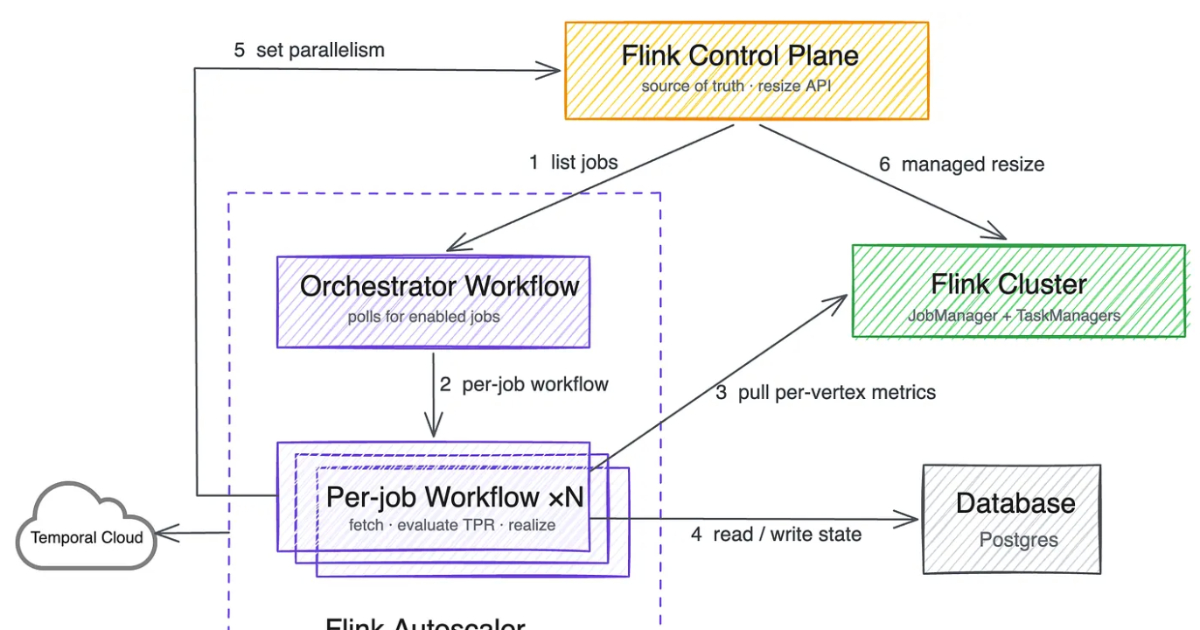
    Netflix is moving toward the open-source Apache Flink Autoscaler for more than 30,000 streaming jobs across multiple AWS regions. The operator-level approach addresses limitations of Netflix’s cluster level autoscaler for complex, stateful pipelines. Netflix reports a 58% reduction in annualized Flink compute expenditure for one team, saving approximately $1.1 million annually. By Leela Kumili
     

Netflix Moves toward Open Source Flink Autoscaler for 30,000+ Streaming Jobs

7 September 2026 at 22:06

Netflix is moving toward the open-source Apache Flink Autoscaler for more than 30,000 streaming jobs across multiple AWS regions. The operator-level approach addresses limitations of Netflix’s cluster level autoscaler for complex, stateful pipelines. Netflix reports a 58% reduction in annualized Flink compute expenditure for one team, saving approximately $1.1 million annually.

By Leela Kumili
  • βœ‡InfoQ
  • Presentation: Latency: the Race to Zero...Are We There Yet? Amir Langer
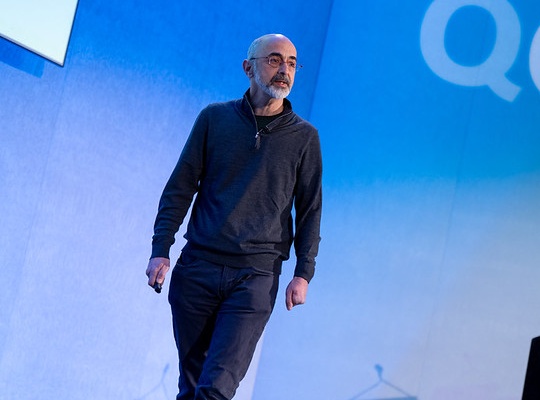
    Amir Langer discusses the evolution of latency reduction, from the Pony Express to modern hardware. He explains how separation of concerns - decoupling business logic from I/O - and tools like Aeron and the Disruptor achieve single-digit microsecond speeds. He shares insights into replicated state machines, consensus protocols like Raft, and the future of low-latency sequencer architectures. By Amir Langer
     

Presentation: Latency: the Race to Zero...Are We There Yet?

10 April 2026 at 22:28

Amir Langer discusses the evolution of latency reduction, from the Pony Express to modern hardware. He explains how separation of concerns - decoupling business logic from I/O - and tools like Aeron and the Disruptor achieve single-digit microsecond speeds. He shares insights into replicated state machines, consensus protocols like Raft, and the future of low-latency sequencer architectures.

By Amir Langer
  • βœ‡InfoQ
  • Pinterest Reduces Spark OOM Failures by 96% Through Auto Memory Retries Leela Kumili
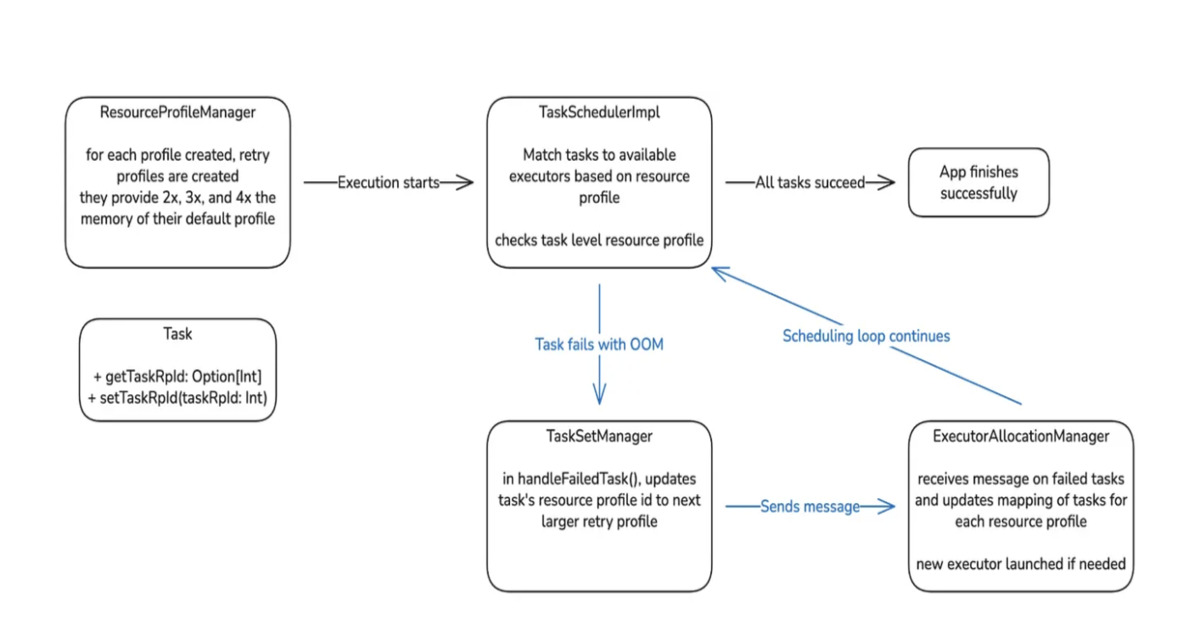
    Pinterest Engineering cut Apache Spark out-of-memory failures by 96% using improved observability, configuration tuning, and automatic memory retries. Staged rollout, dashboards, and proactive memory adjustments stabilized data pipelines, reduced manual intervention, and lowered operational overhead across tens of thousands of daily jobs. By Leela Kumili
     

Pinterest Reduces Spark OOM Failures by 96% Through Auto Memory Retries

6 April 2026 at 22:32

Pinterest Engineering cut Apache Spark out-of-memory failures by 96% using improved observability, configuration tuning, and automatic memory retries. Staged rollout, dashboards, and proactive memory adjustments stabilized data pipelines, reduced manual intervention, and lowered operational overhead across tens of thousands of daily jobs.

By Leela Kumili

Article: Replacing Database Sequences at Scale Without Breaking 100+ Services

3 April 2026 at 17:00

The article discusses the challenges faced during a migration from a relational database to NoSQL, focusing on the importance of database sequences for unique identifiers. It outlines the development of a new sequence service using DynamoDB and a two-tier caching architecture.

By Saumya Tyagi
❌