❌

Normal view

  • βœ‡InfoQ
  • Cloudflare Tests Cache Transcoding to Reduce Storage Requirements Renato Losio
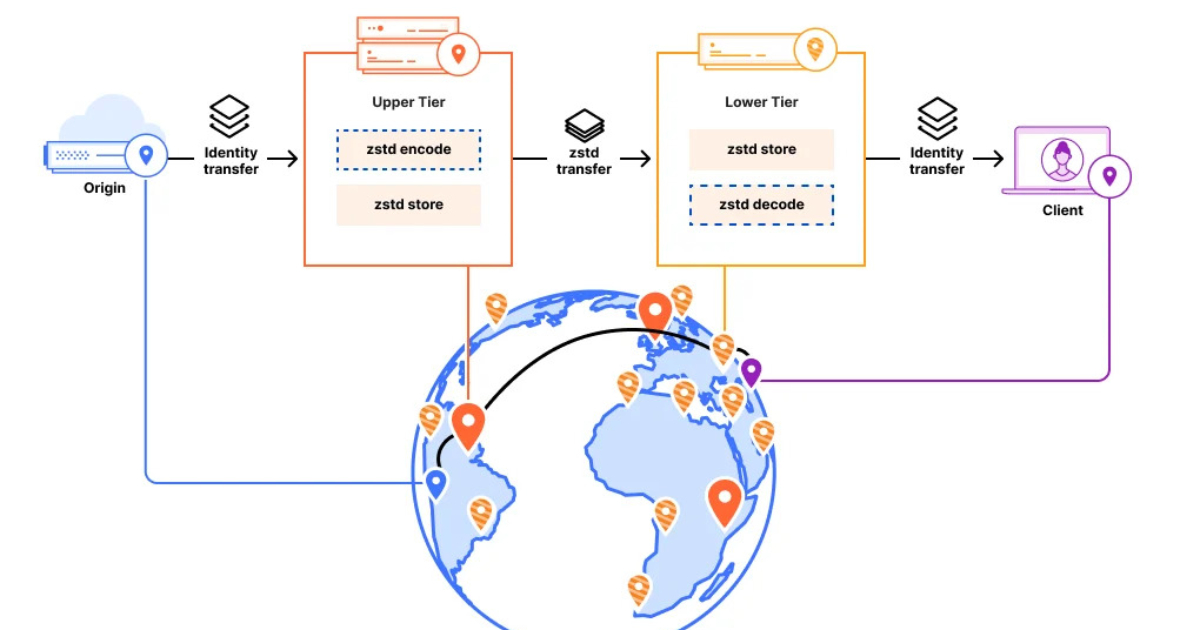
    Cloudflare recently described a prototype called Cache Transcoding that compresses eligible cache content, mainly uncompressed text such as HTML, JSON, CSS, and JavaScript, using Zstandard before storing it on disk. The hyperscaler estimates that the approach could provide petabytes of additional effective cache capacity, although broader testing is still needed. By Renato Losio
     

Cloudflare Tests Cache Transcoding to Reduce Storage Requirements

13 September 2026 at 18:35

Cloudflare recently described a prototype called Cache Transcoding that compresses eligible cache content, mainly uncompressed text such as HTML, JSON, CSS, and JavaScript, using Zstandard before storing it on disk. The hyperscaler estimates that the approach could provide petabytes of additional effective cache capacity, although broader testing is still needed.

By Renato Losio

GitHub Copilot's Project HydraFusion Promises Frontier Level Performance through Multi-Model Routing

13 September 2026 at 14:06

GitHub's Project HydraFusion is a research preview for GitHub Copilot that enhances coding intelligence through runtime model orchestration. It dynamically assembles execution plans using models from various providers. The system employs three execution patterns based on task complexity. Evaluations indicate that it achieves high task quality while significantly reducing operational costs.

By Olimpiu Pop

Open-Source Project Brings Full iOS 27 Virtualization to Apple Silicon

13 September 2026 at 00:00

The open-Source project vphone-cli enables a full iOS 27 system to run as a virtual machine on Apple Silicon. Built on Apple's own Virtualization.framework rather than traditional emulation, the project opens up new possibilities for security research, reverse engineering, and automated iOS testing.

By Sergio De Simone

Presentation: From Retrieval to Reasoning: Building Production-Ready Agentic AI Systems with Knowledge Graphs

12 September 2026 at 19:00

Cassie Shum discusses why knowledge graphs serve as a critical foundation for agentic systems. Moving beyond basic RAG, she explains 4 practical architectural patterns: context bundling, decision provenance, code as truth, and agent visibility. She demonstrates an engineering harness built on a knowledge graph to streamline feedback loops, optimize token usage, and maintain system reliability.

By Cassie Shum
  • βœ‡InfoQ
  • Lambda SnapStart Comes to Container Images, Ending a Packaging Tradeoff Steef-Jan Wiggers
    AWS has extended Lambda SnapStart to container image functions, which hold up to 10 GB against 250 MB for zip archives. Teams previously chose between dependency headroom and sub-second startup. A Reddit thread from a month earlier shows what that cost: stripping whitespace and docstrings from installed packages to stay under the limit. By Steef-Jan Wiggers
     

Lambda SnapStart Comes to Container Images, Ending a Packaging Tradeoff

12 September 2026 at 18:09

AWS has extended Lambda SnapStart to container image functions, which hold up to 10 GB against 250 MB for zip archives. Teams previously chose between dependency headroom and sub-second startup. A Reddit thread from a month earlier shows what that cost: stripping whitespace and docstrings from installed packages to stay under the limit.

By Steef-Jan Wiggers

Clonal evolution in gastrointestinal cancers: multi-omics insights into tumor heterogeneity, microenvironmental selection, and translational biomarkers

12 September 2026 at 18:00

Front Oncol. 2026 Aug 28;16:1907210. doi: 10.3389/fonc.2026.1907210. eCollection 2026.

ABSTRACT

Clonal evolution in hepatocellular carcinoma (HCC), esophageal squamous cell carcinoma (ESCC), and gastric cancer (GC) reflects the interaction of genetic diversification, cell-state plasticity, and tissue-specific selection. Multi-region and single-cell DNA sequencing resolve truncal and subclonal lineages, whereas single-cell and spatial transcriptomics, proteomics, and serial liquid biopsy characterize cellular states, ecological niches, and temporal dynamics. The three cancers differ in dissemination timing, dominant selective pressures, and biomarker maturity: early seeding is best supported in selected HCC cohorts, ESCC is strongly influenced by field cancerization and epithelial-stromal crosstalk, and GC follows subtype- and ecotype-dependent trajectories. We discuss the assumptions and sampling biases that constrain phylogenetic inference, the causal limits of cross-sectional tumor atlases, clonal hematopoiesis, and the incremental value of broad multi-omics over focused assays. Liquid-biopsy detection of minimal residual disease is prognostic, but treatment benefit from marker-guided intervention remains context dependent. Near-term translation requires standardized, decision-linked assays; adaptive therapy and evolutionary steering remain investigational.

PMID:42729528 | PMC:PMC13563159 | DOI:10.3389/fonc.2026.1907210

The landscape of peripheral blood RNA modifications and its clinical implications for diagnosis of hepatocellular carcinoma

12 September 2026 at 18:00

Cell Commun Signal. 2026 Sep 11;24(1):488. doi: 10.1186/s12964-026-03206-2.

ABSTRACT

BACKGROUND: While over 170 RNA modifications have been identified and implicated in various cancers, their role in hepatocellular carcinoma (HCC) progression is increasingly recognized. Despite this established relevance in tumor biology, the landscape of RNA modifications in the peripheral blood of HCC patients-and their potential diagnostic utility-remains largely unexplored.

METHODS: Peripheral blood samples from patients with HCC, liver cirrhosis (LC), and normal healthy (NH) controls were collected. The abundances of 55 RNA modifications were quantified using liquid chromatography-tandem mass spectrometry (LC-MS/MS) to assess their diagnostic potential for HCC, particularly at early stages. Correlations among these modifications and their associations with clinical parameters were analyzed. Simultaneously, differentially expressed genes, including those encoding RNA-modifying enzymes, were screened in peripheral blood. The biological relevance of the identified signatures was subsequently validated using in vitro co-culture and in vivo syngeneic HCC mouse models.

RESULTS: Compared to the combined non-HCC group (NH and LC), the abundances of 11 RNA modifications were significantly altered in both overall and stage I HCC groups, with N2,N2-dimethylguanosine (m2,2G) emerging as a key component exhibiting the most pronounced dysregulation. A diagnostic model centered on an m2,2G-based modification panel achieved area under the curves (AUCs) of 0.901 and 0.891 for detecting HCC and stage I HCC, respectively, demonstrating promising diagnostic potential. Notably, the incorporation of two upregulated genes in peripheral blood-IFI27 and CCR2-significantly enhanced the model's performance, yielding improved AUCs of 0.972 and 0.968, respectively. Further analysis revealed distinct correlation patterns among RNA modifications, as well as between RNA modifications and clinical laboratory parameters, exhibiting both shared and HCC-specific features that suggest systemic reprogramming of RNA modification network in HCC. This biological relevance was confirmed by elevated m2,2G abundances in human lymphocytes co-cultured with HCC cells and blood from a syngeneic HCC mouse model.

CONCLUSIONS: This study systematically profiled peripheral blood RNA modifications and provided preliminary evidence supporting their potential as diagnostic biomarkers for HCC. By integrating key modifications (m2,2G, m2,2,7G, m6,6A) with two mRNA markers (IFI27 and CCR2), we developed a multi-omics signature that demonstrated promising diagnostic performance, particularly for early-stage HCC.

PMID:42732057 | PMC:PMC13570552 | DOI:10.1186/s12964-026-03206-2

A Mitochondrial-Related Gene Signature for Diagnosis and Immune Microenvironment Modulation in Lung Cancer and Venous Thromboembolism

World J Oncol. 2026 Sep 4;17(5):683-704. doi: 10.14740/wjon2815. eCollection 2026 Oct.

ABSTRACT

BACKGROUND: Lung cancer (LC) and venous thromboembolism (VTE) are closely associated, with VTE contributing to morbidity and mortality among patients with LC. We aimed to identify and characterize a mitochondrial-related transcriptomic signature shared between LC and VTE and to explore its association with immune microenvironment features.

METHODS: We applied a multiomics approach focused on mitochondrial-related signaling pathways. Publicly available transcriptomic datasets were analyzed using differential expression profiling and weighted gene co-expression network analysis to identify key regulatory genes. These genes were intersected with a mitochondrial gene set and subjected to functional enrichment analysis. Least absolute shrinkage and selection operator (LASSO) regression was used to identify candidate diagnostic genes validation. Immune cell infiltration was quantified, and associated regulatory mechanisms were explored.

RESULTS: Thirty-nine shared crosstalk genes were identified and were primarily enriched in mitochondrial metabolic processes. LASSO regression identified a five-gene candidate signature (ACAA1, HSD17B10, MTIF2, THOP1, and PDE2A). The model exhibited promising discriminatory performance (area under the curve > 0.9 in LC dataset and 0.7-0.9 in VTE dataset). These genes were significantly dysregulated and were associated with altered immune cell infiltration, particularly in dendritic cell and T cell subsets.

CONCLUSION: We identified a mitochondrial-related gene signature reflecting shared transcriptomic correlates between LC and VTE. The signature showed variable performance across disease contexts and correlative associations with immune features, supporting its role as a candidate biomarker for further investigation. Prospective validation in independent clinical cohorts is required before any translational application.

PMID:42730163 | PMC:PMC13568737 | DOI:10.14740/wjon2815

NBR1-Mediated Autophagic Degradation of YTHDF1 Curtails <em>FDX1</em> Translation to Drive Concurrent Multikinase Inhibitor Resistance and Cuproptosis Tolerance

Cancer Commun (Lond). 2026 Sep 11;46:0048. doi: 10.34133/cancomm.0048. eCollection 2026.

ABSTRACT

Background: Cancer cells frequently acquire adaptive resistance to targeted therapies; however, strategies capable of concurrently overcoming treatment tolerance and reactivating cell death pathways are currently lacking. Here, we investigated the dual role of ferredoxin 1 (FDX1) in modulating both multikinase inhibitor (MKI) sensitivity and cuproptosis susceptibility in hepatocellular carcinoma (HCC), and sought to develop a therapeutic approach for reversing resistance. Methods: HCC models, both in vitro and in vivo, were employed to investigate the role of FDX1 in MKI resistance and cuproptosis evasion. Polysome profiling, SunTag translation reporters, CRISPR-Cas9 mutagenesis, and mass spectrometry were employed to delineate the underlying mechanisms. A codelivery nanoliposome system was engineered and tested in orthotopic HCC models. Results: Prolonged exposure to MKIs led to the down-regulation of FDX1 protein levels, resulting in MKI resistance and cuproptosis tolerance in HCC both in vitro and in vivo. Mechanistically, we found that MKIs inactivated protein kinase B (PKB, also known as AKT)-mechanistic target of rapamycin (mTOR) signaling, thereby suppressing the SET and MYND domain-containing protein 2 (SMYD2)-mediated methylation of YTH domain family protein 1 (YTHDF1) at lysine 515 (K515). Hypomethylated YTHDF1 was degraded via next to BRCA1 gene 1 protein (NBR1)-dependent autophagy, leading to the repression of N6-methyladenosine modification-dependent translation of FDX1 mRNA. FDX1 deficiency drove MKI resistance by reactivating AKT survival signaling while impairing cuproptosis through reduced divalent copper ions (Cu2+) to monovalent copper ions (Cu+) conversion and the loss of protein lipoylation. Additionally, restoring FDX1 expression through NBR1 knockdown or YTHDF1 overexpression overcame MKI resistance and resensitized HCC cells to cuproptosis. Finally, a nanoliposomal system, super cuproptosis detonator liposome, designed for the codelivery of NBR1 small interfering RNA, a copper ionophore, and sorafenib restored FDX1-dependent cuproptosis and exhibited marked anti-HCC efficacy, suppressing HCC growth in vivo. Conclusions: MKIs suppressed SMYD2-mediated YTHDF1 methylation at K515 via the inactivation of AKT-mTOR signaling. This led to the inhibition of FDX1 translation, resulting in AKT signaling reactivation and protein lipoylation impairment, effects that contributed to both MKI resistance and cuproptosis tolerance in HCC. Overcoming MKI resistance and resensitizing cells to cuproptosis by targeting NBR1-mediated YTHDF1 degradation using a nanoliposomal codelivery system represents a promising strategy for HCC treatment.

PMID:42729649 | PMC:PMC13562797 | DOI:10.34133/cancomm.0048

Clonal evolution in gastrointestinal cancers: multi-omics insights into tumor heterogeneity, microenvironmental selection, and translational biomarkers

Front Oncol. 2026 Aug 28;16:1907210. doi: 10.3389/fonc.2026.1907210. eCollection 2026.

ABSTRACT

Clonal evolution in hepatocellular carcinoma (HCC), esophageal squamous cell carcinoma (ESCC), and gastric cancer (GC) reflects the interaction of genetic diversification, cell-state plasticity, and tissue-specific selection. Multi-region and single-cell DNA sequencing resolve truncal and subclonal lineages, whereas single-cell and spatial transcriptomics, proteomics, and serial liquid biopsy characterize cellular states, ecological niches, and temporal dynamics. The three cancers differ in dissemination timing, dominant selective pressures, and biomarker maturity: early seeding is best supported in selected HCC cohorts, ESCC is strongly influenced by field cancerization and epithelial-stromal crosstalk, and GC follows subtype- and ecotype-dependent trajectories. We discuss the assumptions and sampling biases that constrain phylogenetic inference, the causal limits of cross-sectional tumor atlases, clonal hematopoiesis, and the incremental value of broad multi-omics over focused assays. Liquid-biopsy detection of minimal residual disease is prognostic, but treatment benefit from marker-guided intervention remains context dependent. Near-term translation requires standardized, decision-linked assays; adaptive therapy and evolutionary steering remain investigational.

PMID:42729528 | PMC:PMC13563159 | DOI:10.3389/fonc.2026.1907210

Multi-omics approaches in idiopathic pulmonary fibrosis: from molecular mechanisms to therapeutic targets and precision medicine

Front Pharmacol. 2026 Aug 28;17:1899849. doi: 10.3389/fphar.2026.1899849. eCollection 2026.

ABSTRACT

Idiopathic pulmonary fibrosis (IPF) is a progressive interstitial lung disease with limited therapeutic options and marked molecular heterogeneity. Despite available antifibrotic therapies, disease progression remains poorly predictable, highlighting the need for improved mechanistic understanding and therapeutic targeting. This review summarizes recent advances in multi-omics research to elucidate the molecular mechanisms underlying IPF and to identify potential biomarkers and pharmacological targets. Multi-omics studies, including genomics, epigenomics, transcriptomics, proteomics, metabolomics, microbiome profiling, and single-cell sequencing, have revealed key pathogenic mechanisms in IPF. Genetic susceptibility factors such as MUC5B promoter variants and telomere-related genes contribute to disease risk. Epigenetic regulation, including DNA methylation, histone modifications, and non-coding RNAs, plays a central role in fibrotic remodeling. Transcriptomic and proteomic analyses have identified dysregulated signaling pathways, including TGF-Ξ², mTOR, cellular senescence, and extracellular matrix remodeling. Metabolomic alterations indicate disrupted lipid and amino acid metabolism. Importantly, integration of multi-omics datasets enables the identification of molecular endotypes, candidate biomarkers, and potential therapeutic targets. However, challenges including data integration, tissue heterogeneity, limited cohort size, and the need for functional validation remain important barriers to clinical translation. Continued development of multi-omics approaches may facilitate more accurate disease classification and support the development of personalized therapeutic strategies for IPF.

PMID:42729333 | PMC:PMC13561894 | DOI:10.3389/fphar.2026.1899849

The landscape of peripheral blood RNA modifications and its clinical implications for diagnosis of hepatocellular carcinoma

Cell Commun Signal. 2026 Sep 11;24(1):488. doi: 10.1186/s12964-026-03206-2.

ABSTRACT

BACKGROUND: While over 170 RNA modifications have been identified and implicated in various cancers, their role in hepatocellular carcinoma (HCC) progression is increasingly recognized. Despite this established relevance in tumor biology, the landscape of RNA modifications in the peripheral blood of HCC patients-and their potential diagnostic utility-remains largely unexplored.

METHODS: Peripheral blood samples from patients with HCC, liver cirrhosis (LC), and normal healthy (NH) controls were collected. The abundances of 55 RNA modifications were quantified using liquid chromatography-tandem mass spectrometry (LC-MS/MS) to assess their diagnostic potential for HCC, particularly at early stages. Correlations among these modifications and their associations with clinical parameters were analyzed. Simultaneously, differentially expressed genes, including those encoding RNA-modifying enzymes, were screened in peripheral blood. The biological relevance of the identified signatures was subsequently validated using in vitro co-culture and in vivo syngeneic HCC mouse models.

RESULTS: Compared to the combined non-HCC group (NH and LC), the abundances of 11 RNA modifications were significantly altered in both overall and stage I HCC groups, with N2,N2-dimethylguanosine (m2,2G) emerging as a key component exhibiting the most pronounced dysregulation. A diagnostic model centered on an m2,2G-based modification panel achieved area under the curves (AUCs) of 0.901 and 0.891 for detecting HCC and stage I HCC, respectively, demonstrating promising diagnostic potential. Notably, the incorporation of two upregulated genes in peripheral blood-IFI27 and CCR2-significantly enhanced the model's performance, yielding improved AUCs of 0.972 and 0.968, respectively. Further analysis revealed distinct correlation patterns among RNA modifications, as well as between RNA modifications and clinical laboratory parameters, exhibiting both shared and HCC-specific features that suggest systemic reprogramming of RNA modification network in HCC. This biological relevance was confirmed by elevated m2,2G abundances in human lymphocytes co-cultured with HCC cells and blood from a syngeneic HCC mouse model.

CONCLUSIONS: This study systematically profiled peripheral blood RNA modifications and provided preliminary evidence supporting their potential as diagnostic biomarkers for HCC. By integrating key modifications (m2,2G, m2,2,7G, m6,6A) with two mRNA markers (IFI27 and CCR2), we developed a multi-omics signature that demonstrated promising diagnostic performance, particularly for early-stage HCC.

PMID:42732057 | PMC:PMC13570552 | DOI:10.1186/s12964-026-03206-2

  • βœ‡InfoQ
  • One Decade of Rustls: Evolution, Benchmarks, and Future Roadmap Olimpiu Pop
    Rustls, a Rust TLS library, marks its decade-long progression from a grassroots project to a funded open-source initiative. Key contributions from organisations boosted development, resulting in features like post-quantum cryptography and robust performance. The upcoming 0.24 release aims to enhance architecture and flexibility, including new input buffering and improved session handling. By Olimpiu Pop
     

One Decade of Rustls: Evolution, Benchmarks, and Future Roadmap

12 September 2026 at 15:07

Rustls, a Rust TLS library, marks its decade-long progression from a grassroots project to a funded open-source initiative. Key contributions from organisations boosted development, resulting in features like post-quantum cryptography and robust performance. The upcoming 0.24 release aims to enhance architecture and flexibility, including new input buffering and improved session handling.

By Olimpiu Pop
  • βœ‡InfoQ
  • NVIDIA Personal AI Router Distributes AI Tasks across Local Compute Sergio De Simone
    NVIDIA Personal AI Router (PAIR), now available in beta, lets you combine the inference capacity of multiple computers on your local network and automatically distribute AI requests among them. It is primarily designed for local multi-agent AI workloads, where multiple independent model calls can otherwise overwhelm one GPU. By Sergio De Simone
     

NVIDIA Personal AI Router Distributes AI Tasks across Local Compute

11 September 2026 at 23:00

NVIDIA Personal AI Router (PAIR), now available in beta, lets you combine the inference capacity of multiple computers on your local network and automatically distribute AI requests among them. It is primarily designed for local multi-agent AI workloads, where multiple independent model calls can otherwise overwhelm one GPU.

By Sergio De Simone

Netflix Reworks Conductor for 420 Million Monthly Workflow Executions and 10X Larger Workflows

11 September 2026 at 22:17

Netflix has reworked its Conductor workflow orchestration engine to handle larger workloads, increasing supported workflow size from about 2,500 to 30,000 tasks and reducing p99 workflow evaluation latency by about 40%. Conductor 4.0 separates workflow metadata from task data, moves evaluation to asynchronous processing, and introduces dynamic worker allocation and concurrency controls.

By Leela Kumili
  • βœ‡InfoQ
  • tsgolint Reaches Stable v7, Bringing Go-Powered Type-Aware Linting to Oxlint Daniel Curtis
    tsgolint has released a stable v7, enhancing TypeScript linting with native Go speed. It offers type-aware linting, leveraging TypeScript's semantic analysis through the typescript-go compiler. Oxlint manages configurations and file discovery. The release, compatible with TypeScript 7.0.2, handles 59 of 61 type-aware rules and shows significant performance improvements over ESLint. By Daniel Curtis
     

tsgolint Reaches Stable v7, Bringing Go-Powered Type-Aware Linting to Oxlint

11 September 2026 at 20:02

tsgolint has released a stable v7, enhancing TypeScript linting with native Go speed. It offers type-aware linting, leveraging TypeScript's semantic analysis through the typescript-go compiler. Oxlint manages configurations and file discovery. The release, compatible with TypeScript 7.0.2, handles 59 of 61 type-aware rules and shows significant performance improvements over ESLint.

By Daniel Curtis

Terraform AWS Provider Continues Rapid Expansion as AWS Infrastructure Becomes More Complex

11 September 2026 at 20:00

The Terraform AWS Provider continues its rapid evolution, with v6.62.0 adding support for new AWS capabilities while improving how Terraform understands and manages existing infrastructure.

By Craig Risi
  • βœ‡InfoQ
  • Presentation: How To Run on Three Clouds at Once, and When Not To Ross McFarlane Β· Kevin Holditch
    Ross McFarlane and Kevin Holditch discuss Form3's evolution from a single-cloud setup to a triple active multi-cloud architecture. They share key engineering strategies for cross-cloud networking, distributed databases with CockroachDB and NATS, custom Kubernetes operators, and navigating distinct regional disaster recovery expectations across the UK, Europe, and US financial markets. By Ross McFarlane, Kevin Holditch
     

Presentation: How To Run on Three Clouds at Once, and When Not To

11 September 2026 at 19:00

Ross McFarlane and Kevin Holditch discuss Form3's evolution from a single-cloud setup to a triple active multi-cloud architecture. They share key engineering strategies for cross-cloud networking, distributed databases with CockroachDB and NATS, custom Kubernetes operators, and navigating distinct regional disaster recovery expectations across the UK, Europe, and US financial markets.

By Ross McFarlane, Kevin Holditch

How LinkedIn Trains AI Job Search 8x Faster with Multi-Teacher Distillation

11 September 2026 at 18:00

LinkedIn has published details of the training infrastructure behind its AI-powered job search, describing a multi-teacher distillation pipeline that compresses knowledge from large teacher models into a compact 0.6B-parameter ranking model.

By Claudio Masolo

Pan-cancer analysis identifies KANSL2 as a cell-cycle-associated regulator of tumor progression and immunity in liver hepatocellular carcinoma

11 September 2026 at 18:00

Clin Exp Med. 2026 Jul 26;26(1):329. doi: 10.1007/s10238-026-02264-7.

ABSTRACT

KANSL2, a core component of the NSL histone acetyltransferase complex, has been implicated in tumorigenesis. However, its pan-cancer relevance and functional role in liver hepatocellular carcinoma (LIHC) remain unclear. Multi-omics data from TCGA, GEO, and HPA were integrated to systematically evaluate KANSL2 expression, clinical significance, genomic alterations, and immune associations across cancers. Functional enrichment, immune infiltration analyses, and single-cell transcriptomics were performed. In vitro assays were conducted to validate the biological effects of KANSL2 in LIHC cells. KANSL2 is broadly upregulated across cancers and exhibits strong diagnostic performance. Elevated KANSL2 expression correlates with unfavorable prognosis, particularly in LIHC. Mechanistically, KANSL2 and its co-expressed genes are enriched in cell-cycle progression. KANSL2 expression is also closely associated with immune infiltration and immunoregulatory signaling within the tumor microenvironment, with single-cell data indicating preferential expression in proliferative T-cell subsets. Functional experiments demonstrate that KANSL2 silencing suppresses proliferation, migration, and invasion, and induces G2/M phase arrest in LIHC cells. Notably, its effects on apoptosis are limited, suggesting that KANSL2 primarily drives tumor progression through cell-cycle-dependent mechanisms. This study identifies KANSL2 as a key regulator of tumor progression and immune remodeling in LIHC. By promoting malignancy predominantly via cell-cycle control, KANSL2 represents a promising biomarker for diagnosis and prognosis, and a potential therapeutic target.

PMID:42726304 | PMC:PMC13569553 | DOI:10.1007/s10238-026-02264-7

❌