❌

Reading view

Anthropic Designs Three-Agent Harness Supports Long-Running Full-Stack AI Development

Anthropic introduces a three-agent harness separating planning, generation, and evaluation to improve long-running autonomous AI workflows for frontend and full-stack development. Industry commentary highlights structured approaches, iterative evaluation, and practical methods to maintain coherence and quality over multi-hour AI coding sessions.

By Leela Kumili


  •  

TigerFS Mounts PostgreSQL Databases as a Filesystem for Developers and AI Agents

TigerFS is a new experimental filesystem that mounts a database as a directory and stores files directly in PostgreSQL. The open source project exposes database data through a standard filesystem interface, allowing developers and AI agents to interact with it using common Unix tools such as ls, cat, find, and grep, rather than via APIs or SDKs.

By Renato Losio
  •  

Swift 6.3 Stabilizes Android SDK, Extends C Interop, and More

Swift 6.3 advances Swift cross-platform story with official Android support, improves significantly C interoperability through the new @c attribute, and continues extending embedded programming support. It also strengthens the ecosystem with a unified build system direction and gives developers more low-level performance control.

By Sergio De Simone
  •  

Module Federation 2.0 Reaches Stable Release with Wider Support outside of Webpack

Module Federation 2.0, an open-source micro-frontend mechanism introduced with webpack 5, offers significant updates including dynamic TypeScript type hints, decoupled runtime layers, and Node.js support. It enhances compatibility across various bundlers and frameworks. Key features include a Side Effect Scanner and easier integration for remote modules, addressing previous adoption challenges.

By Daniel Curtis
  •  

Presentation: Panel: Taking Architecture Out of the Echo Chamber

Andrew Harmel-Law and a panel of expert architects discuss the shifting practice of architecture in 2025. They explain strategies for communicating technical debt to stakeholders, the benefits of decentralized decision-making through ADRs, and the career paths of modern leaders. The panel shares insights on bridging the gap between mobile and backend teams to ensure a holistic system.

By Andrew Harmel-Law, Cat Morris, Diana Montalion, Shana Dacres-Lawrence, Vanessa Formicola, Elena Stojmilova, Peter Hunter
  •  

Article: Replacing Database Sequences at Scale Without Breaking 100+ Services

The article discusses the challenges faced during a migration from a relational database to NoSQL, focusing on the importance of database sequences for unique identifiers. It outlines the development of a new sequence service using DynamoDB and a two-tier caching architecture.

By Saumya Tyagi
  •  

Github Integrates AI to Improve Accessibility Issue Management and Automate Feedback Triage

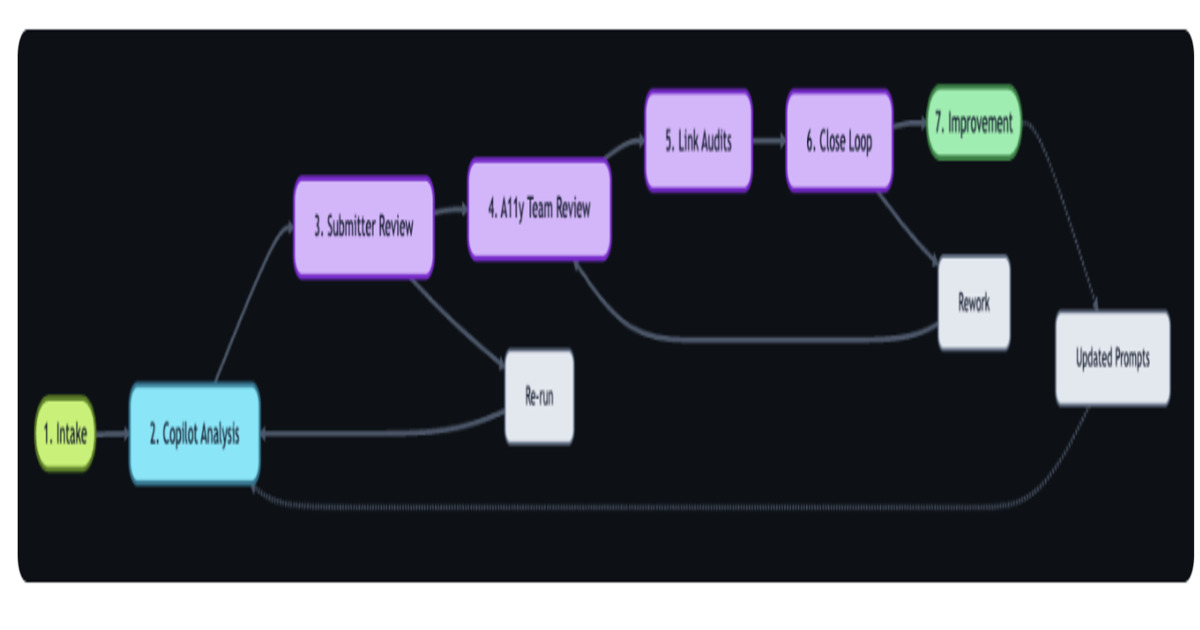
GitHub has launched a continuous AI-powered workflow to manage accessibility feedback at scale. Using GitHub Actions, Copilot, and Models APIs, the system centralizes reports, analyzes WCAG compliance, and automates triage while maintaining human validation. Teams now resolve feedback faster, improving inclusion and cross-functional collaboration.

By Leela Kumili
  •  

Axios npm Package Compromised in Supply Chain Attack

On March 31, 2026, two versions of the Axios library were compromised and found to contain a Remote Access Trojan. The malicious packages were published through a hijacked maintainer account. The Axios team is investigating how the breach occurred and has deprecated the affected versions. Security experts emphasize the need for better dependency management.

By Daniel Curtis
  •  

Helidon 4.4.0 Introduces Alignment with OpenJDK Cadence and Support via Java Verified Portfolio

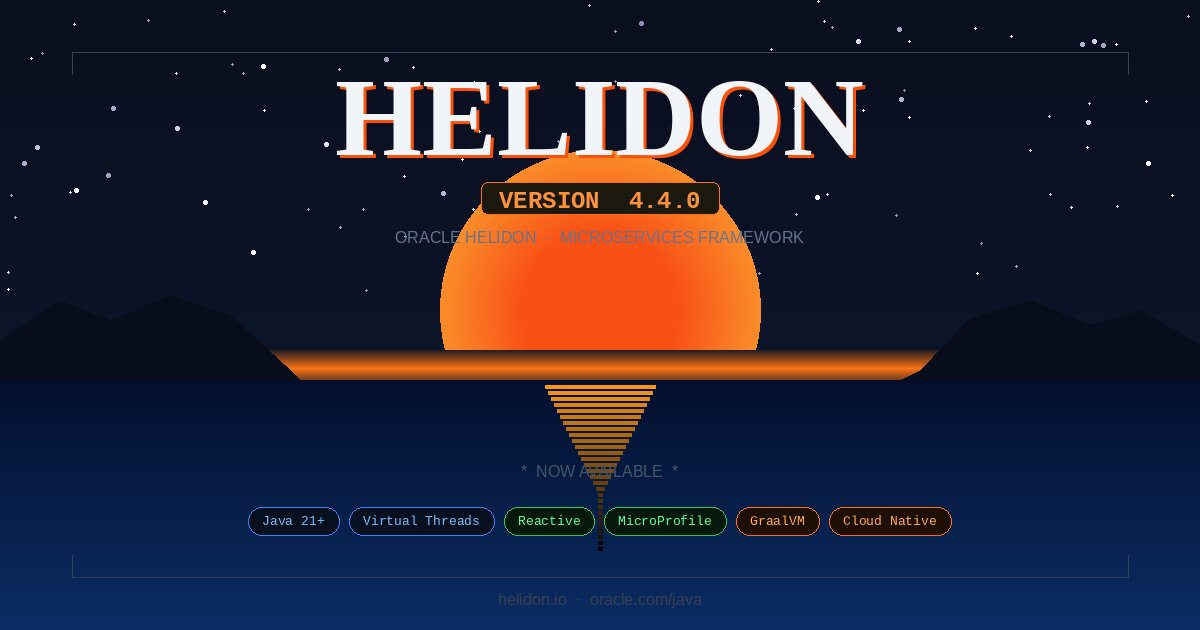
Oracle has released version 4.4.0 of Helidon, their microservices framework, featuring alignment with the OpenJDK release cadence, support via the new Java Verified Portfolio, new core capabilities, and agentic AI support for LangChain4j.

By Michael Redlich
  •  

How to Handle Trusts and Psychological Safety When Scaling Organizations

As organizations scale, communication overload, loss of shared context, and trust gaps emerge, Charlotte de Jong Schouwenburg mentioned. Trust must be built team by team; it can’t be replicated. Trust is interpersonal, while psychological safety exists among people and fuels learning. Leaders must deliberately design structures, rituals, and metrics that reward transparency and cohesion at scale.

By Ben Linders
  •  

GitHub Will Use Copilot Interaction Data from Free, Pro, and Pro+ Users to Train AI Models

GitHub will use Copilot interaction data from Free, Pro, and Pro+ users to train AI models starting April 24, opting in by default. Collected data includes code snippets, inputs, outputs, and navigation patterns from active sessions, including private repos. Business and Enterprise tiers are excluded. Community concerns include dark patterns, IP exposure, and GDPR compliance.

By Steef-Jan Wiggers
  •  

Presentation: Directing a Swarm of Agents for Fun and Profit

Adrian Cockcroft explains the transition from cloud-native to AI-native development. He shares his "director-level" approach to managing swarms of autonomous agents using tools like Cursor and Claude Flow. Discussing real-world experiments in BDD, MCP servers, and language porting, he discusses why the future of engineering lies in building platforms that orchestrate AI-driven development.

By Adrian Cockcroft
  •  

Article: Beyond RAG: Architecting Context-Aware AI Systems with Spring Boot

This article introduces Context-Augmented Generation (CAG) as an architectural refinement of RAG for enterprise systems. It shows how a Spring Boot-based context manager can incorporate user identity, session state, and policy constraints into AI workflows, improving traceability, consistency, and governance without altering existing retrievers or LLM infrastructure.

By Syed Danish Ali
  •  
❌