❌

Reading view

Comparative Evaluation of a Medical Large Language Model in Answering Real-World Radiation Oncology Questions: Multicenter Observational Study

Background: Large language models (LLMs) hold promise for supporting clinical tasks, particularly in data-driven and technical disciplines such as radiation oncology. While prior evaluation studies have focused on examination-style settings for evaluating LLMs, their performance in real-life clinical scenarios remains unclear. In the future, LLMs might be used as general AI assistants to answer questions arising in clinical practice. It is unclear how well a modern LLM, locally executed within the infrastructure of a hospital, would answer such questions compared with clinical experts. Objective: This study aimed to assess the performance of a locally deployed, state-of-the-art medical LLM in answering real-world clinical questions in radiation oncology compared with clinical experts. The aim was to evaluate the overall quality of answers, as well as the potential harmfulness of the answers if used for clinical decision-making. Methods: Physicians from 10 departments of European hospitals collected questions arising in the clinical practice of radiation oncology. Fifty of these questions were answered by 3 senior radiation oncology experts with at least 10 years of work experience, as well as the LLM Llama3-OpenBioLLM-70B (Ankit Pal and Malaikannan Sankarasubbu). In a blinded review, physicians rated the overall answer quality on a 5-point Likert scale (quality), assessed whether an answer might be potentially harmful if used for clinical decision-making (harmfulness), and determined if responses were from an expert or the LLM (recognizability). Comparisons between clinical experts and LLMs were then made for quality, harmfulness, and recognizability. Results: There were no significant differences between the quality of the answers between LLM and clinical experts (mean scores of 3.38 vs 3.63; median 4.00, IQR 3.00-4.00 vs median 3.67, IQR 3.33-4.00; P=.26; Wilcoxon signed rank test). The answers were deemed potentially harmful in 13% of cases for the clinical experts compared with 16% of cases for the LLM (P=.63; Fisher exact test). Physicians correctly identified whether an answer was given by a clinical expert or an LLM in 78% and 72% of cases, respectively. Conclusions: A state-of-the-art medical LLM can answer real-life questions from the clinical practice of radiation oncology similarly well as clinical experts regarding overall quality and potential harmfulness. Such LLMs can already be deployed within the local hospital environment at an affordable cost. While LLMs may not yet be ready for clinical implementation as general AI assistants, the technology continues to improve at a rapid pace. Evaluation studies based on real-life situations are important to better understand the weaknesses and limitations of LLMs in clinical practice. Such studies are also crucial to define when the technology is ready for clinical implementation. Furthermore, education for health care professionals on generative AI is needed to ensure responsible clinical implementation of this transforming technology.
  •  

Deciphering the Heterogeneity of Pancreatic Cancer: DNA Methylation-Based Cell Type Deconvolution Unveils Distinct Subgroups and Immune Landscapes

Epigenomes. 2025 Sep 5;9(3):34. doi: 10.3390/epigenomes9030034.

ABSTRACT

Background: Pancreatic ductal adenocarcinoma (PDAC) is a highly heterogeneous malignancy, characterized by low tumor cellularity, a dense stromal response, and intricate cellular and molecular interactions within the tumor microenvironment (TME). Although bulk omics technologies have enhanced our understanding of the molecular landscape of PDAC, the specific contributions of non-malignant immune and stromal components to tumor progression and therapeutic response remain poorly understood. Methods: We explored genome-wide DNA methylation and transcriptomic data from the Cancer Genome Atlas Pancreatic Adenocarcinoma cohort (TCGA-PAAD) to profile the immune composition of the TME and uncover gene co-expression networks. Bioinformatic analyses included DNA methylation profiling followed by hierarchical deconvolution, epigenetic age estimation, and a weighted gene co-expression network analysis (WGCNA). Results: The unsupervised clustering of methylation profiles identified two major tumor groups, with Group 2 (n = 98) exhibiting higher tumor purity and a greater frequency of KRAS mutations compared to Group 1 (n = 87) (p < 0.0001). The hierarchical deconvolution of DNA methylation data revealed three distinct TME subtypes, termed hypo-inflamed (immune-deserted), myeloid-enriched, and lymphoid-enriched (notably T-cell predominant). These immune clusters were further supported by co-expression modules identified via WGCNA, which were enriched in immune regulatory and signaling pathways. Conclusions: This integrative epigenomic-transcriptomic analysis offers a robust framework for stratifying PDAC patients based on the tumor immune microenvironment (TIME), providing valuable insights for biomarker discovery and the development of precision immunotherapies.

PMID:40981070 | PMC:PMC12452622 | DOI:10.3390/epigenomes9030034

  •  

Cancer in a drop: Liquid biopsy highlights from the American Society of Clinical Oncology (ASCO) 2025 annual congress

J Liq Biopsy. 2025 Aug 6;9:100320. doi: 10.1016/j.jlb.2025.100320. eCollection 2025 Sep.

ABSTRACT

Over the past decade, liquid biopsy has progressively expanded its role in oncology, supported by mounting evidence demonstrating an increasing number of clinical applications. At the 2025 American Society of Clinical Oncology (ASCO) Annual Meeting, liquid biopsy emerged as a central theme across multiple sessions, with more than 700 abstracts, investigating the clinical utility of liquid biopsy across a wide range of tumor types and disease stages. Applications presented included cancer screening, minimal residual disease (MRD) detection, management of metastatic disease, and potential use for matching patients to clinical trials. This editorial, authored on the behalf of the Young Committee of the International Society of Liquid Biopsy (ISLB) highlights the result of selected studies, grouped by tumor type.

PMID:40980343 | PMC:PMC12447415 | DOI:10.1016/j.jlb.2025.100320

  •  

Circulating tumor DNA in patients with cancer: insights from clinical laboratory

Adv Lab Med. 2025 Jun 16;6(3):259-276. doi: 10.1515/almed-2025-0010. eCollection 2025 Sep.

ABSTRACT

Blood-based circulating tumor DNA (ctDNA) analysis has emerged as a highly relevant non-invasive method for molecular profiling of solid tumors, offering valuable information about the genetic landscape of cancer. Somatic mutation analysis of ctDNA is now used clinically to guide targeted therapies for advanced cancers. Recent advancements have also revealed its potential in early detection, prognosis, minimal residual disease assessment, and prediction/monitoring of therapeutic response. In recent years, significant progress has been made with the development of various PCR and NGS-based methods designed for assessing gene variants in ctDNA of patients with cancer. However, despite the transformative possibilities that ctDNA analysis presents, challenges persist. Standardization of preanalytical and analytical protocols, assay sensitivity, and the interpretation of results remain critical hurdles that need to be addressed for the widespread clinical implementation of ctDNA testing. In addition to somatic mutations, emerging studies on DNA methylation (epigenomics) and fragment size patterns (fragmentomics) in several types of biological fluids are yielding promising results as non-invasive biomarkers for effective cancer management. This review addresses the clinical applications of somatic gene variants in ctDNA, emphasizes their potential as cancer biomarkers, and highlights essential factors for successful implementation in clinical laboratories and cancer management.

PMID:40977813 | PMC:PMC12446922 | DOI:10.1515/almed-2025-0010

  •  

Opinion: Four reasons why generative AI chatbots could lead to psychosis in vulnerable people

Three scholars discovered a strange mirror deep in the forest. It spoke to them in a soothing voice and answered all their questions warmly, knowledgeably, and eloquently.

The captivated scholars became obsessed, whispering one secret after another to the mirror. It replied with affection, promise, and meaning that kept them returning to it. They began ignoring one another, each convinced the mirror “understood” them best.

Read the rest…

© Adobe

  •  

Navigating the Boundaries of Teleconsultation—Capabilities, Limitations, and Pathways for Improvement: Qualitative Study of the Experiences of Patients With Stroke

Background: Survivors of stroke often face persistent challenges accessing postdischarge care due to mobility limitations, transportation burdens, and inflexible scheduling. Teleconsultation has emerged as a potential solution to improve continuity of care, but its perceived strengths and limitations from the patient perspective remain insufficiently understood. Objective: This study aimed to explore the experiences of survivors of stroke with a nurse-led teleconsultation program to (1) identify perceived capabilities; (2) understand limitations in usability, accessibility, and clinical function; and (3) generate patient-informed recommendations for improvement. Methods: A qualitative study was embedded within a 3-month nurse-led teleconsultation intervention delivered by advanced practice nurses. A total of 21 survivors of ischemic stroke (aged 45-76 y; female: n=11, 52%) who had preserved cognitive function (Montreal Cognitive Assessment score ≥22) and smartphone access participated in 6 focus groups conducted via Zoom. Data were analyzed thematically using an established framework. Data saturation was achieved. Results: Participants widely valued teleconsultation for reducing logistical burdens; enhancing access; and offering a more comfortable, emotionally supportive setting for follow-up care. Many reported increased awareness and motivation for self-monitoring. However, limitations included an inability to perform physical assessments or respond to emergencies; digital and usability barriers, especially among older users; and scheduling inflexibility. Participants emphasized the need for patient-initiated follow-up mechanisms, physician collaboration for medication management, and greater support for users considered digitally marginalized. They also highlighted the potential of teleconsultation to serve as a triage tool, reserving in-person care for complex cases. Conclusions: Nurse-led teleconsultation was perceived as a convenient and supportive modality for poststroke care, particularly for stable follow-ups and psychosocial support. However, its long-term viability depends on addressing clinical and technical limitations, enhancing user autonomy, and integrating interdisciplinary input. By centering the lived experiences of survivors of stroke, this study offers concrete recommendations to guide the development of more inclusive, responsive, and patient-centered teleconsultation models.
  •  

Digital Health Technology Infrastructure Challenges to Support Health Equity in the United States: Scoping Review

Background: Even though Digital Health Technology (DHT) is widely utilized in the United States (U.S.) at both hospital provider and individual levels, it is beset with several challenges that have contributed to inequities in the health service delivery. Previous studies have shown that health inequities observed may be amplified many by DHT requirements. Objective: The objectives of this scoping review are aimed at synthesizing information on DHT inequities by exploring evidence that describes DHT infrastructure needs focused on promoting health equity in the U.S. and identifying key challenges at both the individual/patient level and at the health service provider's level. Methods: We adapted Arksey and O'Malley's scoping review guidelines in our review. We searched PubMed, Web of Science, CINAHL, and PsycINFO were searched. We also conducted supplementary searches on Google Scholar. The inclusion criteria were peer-reviewed publications that broadly conceptualize or analyze DHT infrastructure from a health equity perspective and the challenges of DHT requirements between 2020 and 2024. Following a full-text screening using eligibility criteria such as studies were included if they examined DHT infrastructure in the U.S. from a health equity perspective, discussed health disparities resulting from DHT interventions, or investigated the variables influencing health inequities connected to DHT. Two researchers evaluated each citation’s individually at the title and abstract levels. Thematic approach and qualitative analysis determined this scoping review’s outcome. Results: Of the 628 research articles from the search, 27 were included in the analysis based on the inclusion criteria. In this review, we discussed factors such as elderly population, education, race, ethnicity, and socioeconomic status leading to health inequities in DHT. Patients and Service providers challenges that exist in health inequities related to DHT. The most common challenges for service providers were infrastructure and technical issues such as inadequate integration with existing workflows, user-unfriendly health information exchange (HIE) interfaces, and lack of skilled staff, while for individuals or patients, this included limited broadband internet access, cultural or linguistic appropriateness, and access to digital tools. Conclusions: The study identified that in the U.S., DHT is an essential part of the delivery of health services, yet it is saddled with key challenges leading to health inequities. Finding pragmatic solutions to these challenges can improve health equity in DHT.
  •  

Hugging Face Releases FinePDFs: a 3-Trillion-Token Dataset Built from PDFs

Hugging Face has unveiled FinePDFs, the largest publicly available corpus built entirely from PDFs. The dataset spans 475 million documents in 1,733 languages, totaling roughly 3 trillion tokens. At 3.65 terabytes in size, FinePDFs introduces a new dimension to open training datasets by tapping into a resource long considered too complex and expensive to process.

By Robert Krzaczyński
  •  

Prognostic Value of Circulating Tumor DNA in HR+/HER2- Stage I-III Breast Cancer: A Systematic Review

Cancers (Basel). 2025 Aug 29;17(17):2831. doi: 10.3390/cancers17172831.

ABSTRACT

Background: Hormone receptor-positive (HR+), HER2-negative breast cancer accounts for the majority of breast cancer diagnoses. While outcomes have improved with neoadjuvant and adjuvant therapies, the risk of late recurrence persists, and there remains a critical need for reliable biomarkers to guide prognosis and post-treatment surveillance. Circulating tumor DNA (ctDNA), detectable via liquid biopsy, has emerged as a promising tool for monitoring minimal residual disease and predicting survival outcomes. This systematic review evaluates the association between ctDNA detection during neoadjuvant or adjuvant treatment and survival outcomes in early-stage HR+/HER2- breast cancer. Methods: This systematic review was conducted in accordance with PRISMA guidelines. A comprehensive literature search of Ovid MEDLINE and Embase was conducted to identify studies published through 3 May 2024 that evaluated ctDNA as a prognostic biomarker in stage I-III HR+/HER2- breast cancer. We included studies reporting recurrence-free survival, invasive disease-free survival, or overall survival and excluded non-original studies, conference abstracts, and non-English articles. Data extraction and qualitative synthesis were performed, and the risk of bias was qualitatively assessed across studies. No review protocol was registered. Results: Eleven studies comprising 1644 patients met the inclusion criteria. In the neoadjuvant setting, ctDNA positivity prior to treatment initiation was associated with inferior survival outcomes. In the adjuvant setting, detection of ctDNA during or after treatment was consistently linked to poorer recurrence-free and invasive disease-free survival. Across studies, ctDNA detection was a significant negative prognostic marker. Conclusions: This systematic review supports the prognostic value of ctDNA in HR+/HER2- early-stage breast cancer. Limitations include small sample sizes, observational study designs, and heterogeneity in ctDNA assays. Standardization of ctDNA testing methods and further prospective trials are needed to validate its clinical utility and explore its potential role in guiding therapeutic interventions.

PMID:40940926 | PMC:PMC12427406 | DOI:10.3390/cancers17172831

  •  

Interventions Based on Biofeedback Systems to Improve Workers’ Psychological Well-Being, Mental Health, and Safety: Systematic Literature Review

Background: In modern, high-speed work settings, the significance of mental health disorders is increasingly acknowledged as a pressing health issue, with potential adverse consequences for organizations, including reduced productivity and increased absenteeism. Over the past few years, various mental health management solutions, such as biofeedback applications, have surfaced as promising avenues to improve employees’ mental well-being. However, most studies on these interventions have been conducted in controlled laboratory settings. Objective: This review aimed to systematically identify and analyze studies that implemented biofeedback-based interventions in real-world occupational settings, focusing on their effectiveness in improving psychological well-being and mental health. Methods: A systematic review was conducted following the PRISMA (Preferred Reporting Items for Systematic Reviews and Meta-Analyses) guidelines. We searched PubMed and EBSCO databases for studies published between 2012 and 2024. Inclusion criteria were original peer-reviewed studies that focused on employees and used biofeedback interventions to improve mental health or prevent mental illness. Exclusion criteria included nonemployee samples, lack of a description of the intervention, and low methodological quality (assessed using the Physiotherapy Evidence Database [PEDro] checklist). Data were extracted on study characteristics, intervention type, physiological and self-reported outcomes, and follow-up measures. Risk of bias was assessed, and VOSviewer was used to visualize the distribution of research topics. Results: A total of 9 studies met the inclusion criteria. The interventions used a range of delivery methods, including traditional biofeedback, mobile apps, mindfulness techniques, virtual reality, and cerebral blood flow monitoring. Most studies focused on breathing techniques to regulate physiological responses (eg, heart rate variability and respiratory sinus arrhythmia) and showed reductions in stress, anxiety, and depressive symptoms. Mobile and app-directed interventions appeared particularly promising for improving resilience and facilitating recovery after stress. Of the 9 studies, 8 (89%) reported positive outcomes, with 1 (11%) study showing initial increases in stress due to logistical limitations in biofeedback access. Sample sizes were generally small, and long-term follow-up data were limited. Conclusions: Biofeedback interventions in workplace settings show promising short-term results in reducing stress and improving mental health, particularly when incorporating breathing techniques and user-friendly delivery methods such as mobile apps. However, the field remains underexplored in occupational contexts. Future research should address adherence challenges, scalability, cost-effectiveness, and long-term outcomes to support broader implementation of biofeedback as a sustainable workplace mental health strategy.
  •  
  •  

Google DeepMind Launches EmbeddingGemma, an Open Model for On-Device Embeddings

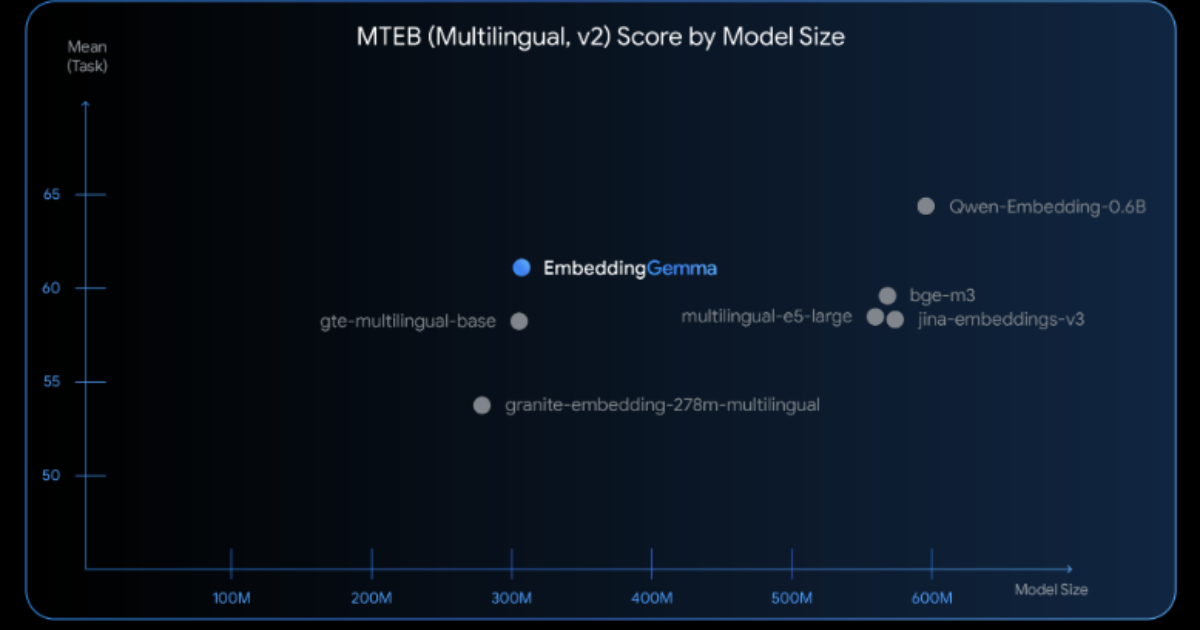
Google DeepMind has introduced EmbeddingGemma, a 308M parameter open embedding model designed to run efficiently on-device. The model aims to make applications like retrieval-augmented generation (RAG), semantic search, and text classification accessible without the need for a server or internet connection.

By Robert Krzaczyński
  •  

Single-cell multiome and spatial profiling reveals pancreas cell type-specific gene regulatory programs of type 1 diabetes progression

Sci Adv. 2025 Sep 12;11(37):eady0080. doi: 10.1126/sciadv.ady0080. Epub 2025 Sep 10.

ABSTRACT

Cell type-specific regulatory programs that drive type 1 diabetes (T1D) in the pancreas are poorly understood. Here, we performed single-nucleus multiomics and spatial transcriptomics in up to 32 nondiabetic (ND), autoantibody-positive (AAB+), and T1D pancreas donors. Genomic profiles from 853,005 cells mapped to 12 pancreatic cell types, including multiple exocrine subtypes. β, Acinar, and other cell types, and related cellular niches, had altered abundance and gene activity in T1D progression, including distinct pathways altered in AAB+ compared to T1D. We identified epigenomic drivers of gene activity in T1D and AAB+ which, combined with genetic association, revealed causal pathways of T1D risk including antigen presentation in β cells. Last, single-cell and spatial profiles together revealed widespread changes in cell-cell signaling in T1D including signals affecting β cell regulation. Overall, these results revealed drivers of T1D in the pancreas, which form the basis for therapeutic targets for disease prevention.

PMID:40929272 | PMC:PMC12422192 | DOI:10.1126/sciadv.ady0080

  •  

The WHO global landscape of cancer clinical trials

Nature Medicine, Published online: 09 September 2025; doi:10.1038/s41591-025-03926-x

This Review of the WHO’s International Clinical Trials Registry Platform presents a snapshot of the global cancer trial landscape and provides critical empirical evidence to inform policy, practice and investment.
  •  

Hugging Face Introduces AI Sheets, a No-Code Tool for Dataset Transformation

Hugging Face has released AI Sheets, an open-source application designed to let users build, transform, and enrich datasets using AI models through a spreadsheet-like interface. The tool, available both on the Hub and for local deployment, allows users to experiment with thousands of open models, including OpenAI’s gpt-oss, without requiring code.

By Robert Krzaczyński
  •  
❌