❌

Reading view

Cloudflare Tests Cache Transcoding to Reduce Storage Requirements
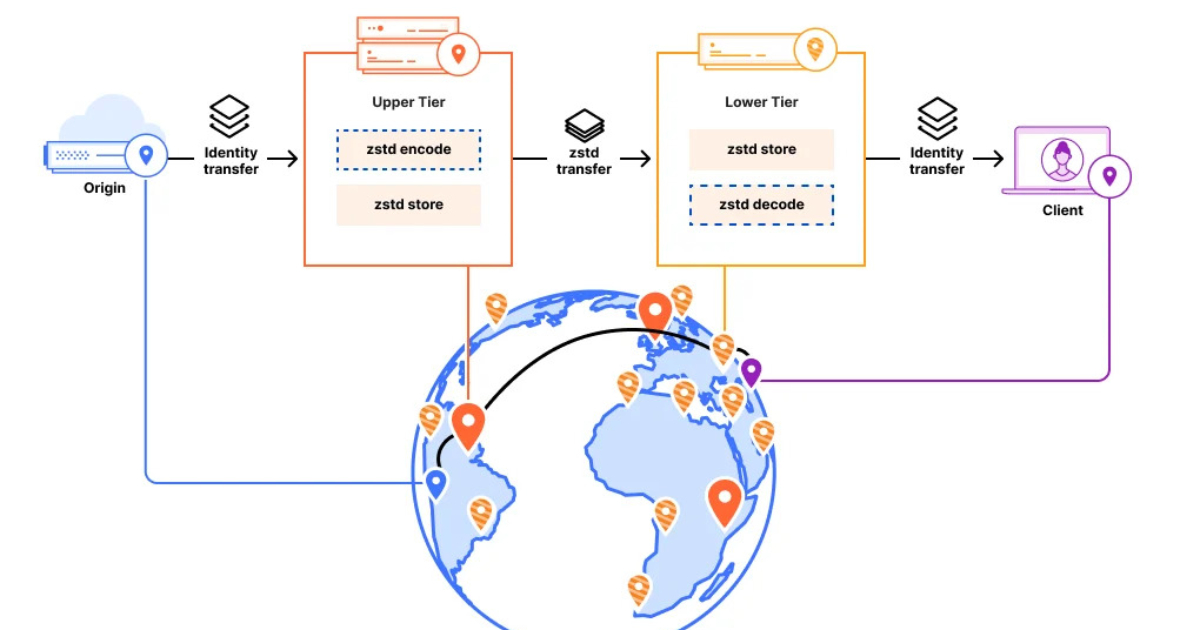
Cloudflare recently described a prototype called Cache Transcoding that compresses eligible cache content, mainly uncompressed text such as HTML, JSON, CSS, and JavaScript, using Zstandard before storing it on disk. The hyperscaler estimates that the approach could provide petabytes of additional effective cache capacity, although broader testing is still needed.

By Renato Losio

  •  

Presentation: Platform Engineering in the Age of AI

The panelists explain how platform teams adapt to support AI-assisted engineering, highlighting which capabilities belong in the platform. They discuss trade-offs between standardization and developer autonomy, while sharing strategies to manage AI tooling, security guardrails, and shifting workflows.

By StΓ©phane Di Cesare, Davide de Paolis, Stephen Cihak, Camila Macedo, Renato Losio
  •  

Etsy Migrates 1000-Shard, 425 TB MySQL Sharding Architecture to Vitess

The Etsy engineering team recently described how the company migrated its long-running MySQL sharding infrastructure to Vitess. The transition moved shard routing from Etsy’s internal systems to Vitess using vindexes, enabling capabilities such as resharding data and sharding previously unsharded tables.

By Renato Losio
  •  

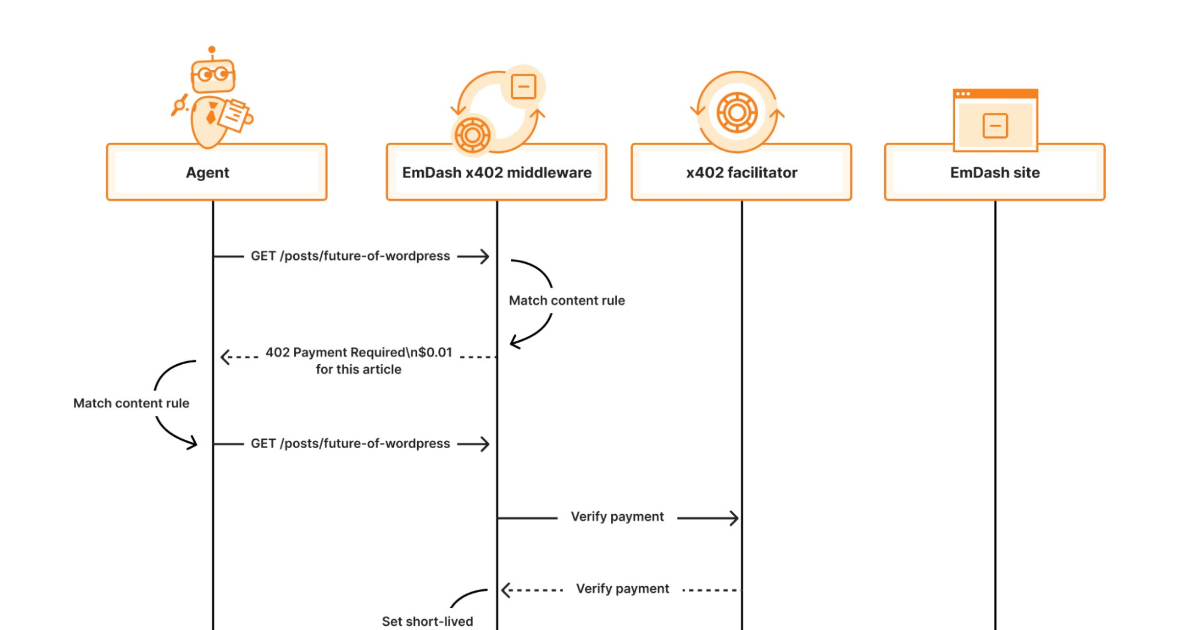
Cloudflare Introduces EmDash: TypeScript CMS Positioned as WordPress Successor

Cloudflare recently announced the preview of EmDash, a new open-source CMS it describes as a β€œspiritual successor to WordPress.” Designed to rebuild the CMS model around a serverless, developer-focused architecture, EmDash includes AI-native features, developer tooling, and migration paths from WordPress, sparking debate across the WordPress and broader CMS community.

By Renato Losio
  •  

TigerFS Mounts PostgreSQL Databases as a Filesystem for Developers and AI Agents

TigerFS is a new experimental filesystem that mounts a database as a directory and stores files directly in PostgreSQL. The open source project exposes database data through a standard filesystem interface, allowing developers and AI agents to interact with it using common Unix tools such as ls, cat, find, and grep, rather than via APIs or SDKs.

By Renato Losio
  •  
❌