❌

Reading view

Presentation: How To Run on Three Clouds at Once, and When Not To
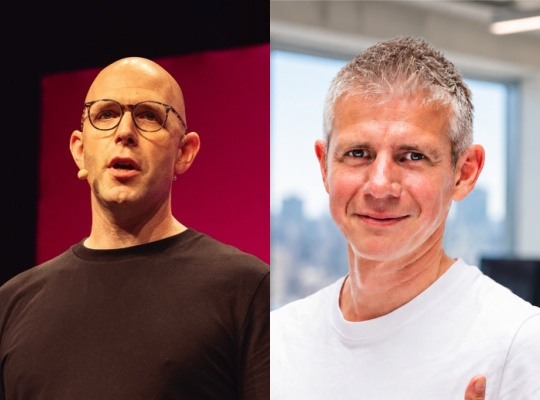
Ross McFarlane and Kevin Holditch discuss Form3's evolution from a single-cloud setup to a triple active multi-cloud architecture. They share key engineering strategies for cross-cloud networking, distributed databases with CockroachDB and NATS, custom Kubernetes operators, and navigating distinct regional disaster recovery expectations across the UK, Europe, and US financial markets.

By Ross McFarlane, Kevin Holditch
  •  

Presentation: Fixing the AI Infra Scale Problem by Stuffing 1M Sandboxes in a Single Server

Felipe Huici explains how Unikraft achieves millisecond cold boots, stateful scale-to-zero, and extreme density for sandboxing AI workloads. He discusses isolation primitives, Linux kernel optimizations, and snapshotting tricks, demonstrating how to maintain sub-10ms performance at scale while integrating seamlessly into Kubernetes environments with hardware-level security.

By Felipe Huici
  •  

Netflix Moves toward Open Source Flink Autoscaler for 30,000+ Streaming Jobs

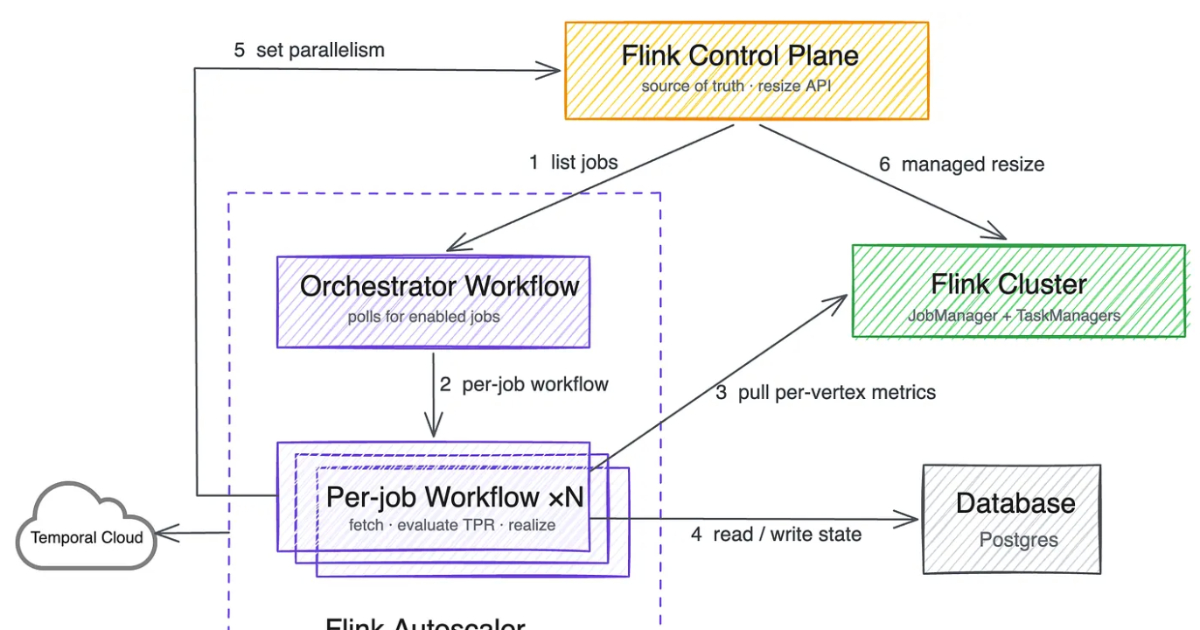
Netflix is moving toward the open-source Apache Flink Autoscaler for more than 30,000 streaming jobs across multiple AWS regions. The operator-level approach addresses limitations of Netflix’s cluster level autoscaler for complex, stateful pipelines. Netflix reports a 58% reduction in annualized Flink compute expenditure for one team, saving approximately $1.1 million annually.

By Leela Kumili
  •  

Platform Engineering Labs Expands formae with Kubernetes Support, Native Helm Integration

Platform Engineering Labs has announced a major update to its open-source Infrastructure-as-Code platform, formae, introducing full Kubernetes support, native Helm integration, direct .tfvars compatibility, and a new public plugin hub aimed at simplifying cloud-native infrastructure management

By Craig Risi
  •  

Presentation: Duolingo's Kubernetes Leap

Franka Passing discusses the architectural shift of Duolingo’s 500+ backend services to Kubernetes. She explains the move toward GitOps with Argo CD, the transition to IPv6-only pods, and the "cellular architecture" used to isolate environments. She shares "reports from the trenches" on managing developer trust, navigating AWS rate limits, and productionizing early adopter services.

By Franka Passing
  •  
❌